
Realistic Experience of an Explorer

trek route

Author: Bhaskar Page 2 of 3

replace staple food with millets

Replace Staple Food with Millets

replace staple food with millets

Should you replace staple food with millets? For most families the answer is yes. Barnyard, browntop, foxtail, kodo and little millets are rich in fibre and minerals, gentle on blood sugar and kind to the planet.

Replace Staple Food with Millets

Switching to millets such as barnyard, browntop, foxtail, kodo, and little millets over traditional staples like rice, wheat, and meat can offer several health and environmental benefits:

  • Nutritional Value:
    • Rich in Nutrients: Millets are often more nutrient-dense than rice and wheat, containing essential vitamins and minerals like iron, calcium, magnesium, and B-vitamins.
    • High Fiber Content: Millets are an excellent source of dietary fiber, aiding digestion and promoting gut health.
  • Gluten-Free:
    • Millets are naturally gluten-free, making them a suitable alternative for individuals with gluten sensitivity or celiac disease.
  • Low Glycemic Index:
    • Millets have a lower glycemic index compared to rice and wheat, helping in better blood sugar control and reducing the risk of type 2 diabetes.
  • Healthier Fats:
    • Millets contain healthier fats, including omega-3 and omega-6 fatty acids, contributing to heart health. Replace Staple Food with Millets.
  • Environmental Sustainability:
    • Water Efficiency: Millets are generally more drought-resistant and require less water compared to rice. This makes them a more sustainable option, especially in regions with water scarcity.
    • Biodiversity: Cultivating a variety of millets supports biodiversity, contributing to a more resilient and sustainable agricultural system.
  • Climate Resilience:
    • Millets are known for their adaptability to diverse climatic conditions, making them a resilient crop in the face of climate change. Replace Staple Food with Millets.
  • Diverse Cultivation:
    • Growing different types of millets promotes crop diversity, reducing the risk of monoculture-related issues such as pest outbreaks and soil depletion.
  • Local Economy Support:
    • Millets are often traditional crops in many regions, and their cultivation can support local economies and preserve traditional farming practices. Replace Staple Food with Millets.
  • Reduced Greenhouse Gas Emissions:
    • Animal agriculture, which is full of cruelty, particularly chicken, beef, pork and meat production including fisheries, contributes significantly to greenhouse gas emissions. Shifting towards millets can reduce the demand for meat, thereby lowering the environmental impact.
  • Versatility in Culinary Use:
    • Millets can be used in a variety of dishes, offering versatility in the kitchen and adding diversity to the diet.

In summary, adopting millets as a staple food can have positive impacts on personal health, environmental sustainability and local economies. The shift towards millets aligns with a more holistic and sustainable approach to food production and consumption.

#millets #barnyardmillet #browntopmillet #foxtailmillet #kodomillet #littlemillet, #healthbenefitsofmillets #environmentalbenefitsofmillets #switchingtomillets #milletsvsrice #milletsvswheat #milletsvsmeat #nutritionalbenefitsofmillets #organicmillets #glutenfreemillets #sustainablemillets #milletdiet #milletrecipes #milletsforweightloss #milletsfordiabetes #milletsforhearthealth #milletsfordigestion #buymilletsonline #milletssupplier #milletsexporter #milletsfarming #milletsproduction #milletsconsumption #milletsmarket #milletsindustry

How to Replace Staple Food with Millets in Daily Meals

  • Breakfast: foxtail millet upma or little millet porridge instead of white rice poha.
  • Lunch: cook kodo or barnyard millet like rice and serve with dal and sabzi.
  • Dinner: browntop millet khichdi is light and easy to digest.
  • Start slowly: swap one meal a day for two weeks, then increase.
  • Soak first: soaking millets for a few hours improves texture and digestion.

The Government of India promotes millets as Shree Anna; see the ICAR-Indian Institute of Millets Research. You can also compare with our guide to Indra Dev Basmati rice.

Replace Staple Food with Millets: FAQs

Is it healthy to replace staple food with millets completely?

Most people can eat millets daily. A gradual switch with a variety of millets is best; people with thyroid or kidney conditions should ask their doctor.

Which millet is best for beginners?

Little millet and foxtail millet cook quickly and taste mild, so they are easy first choices.

Are millets good for diabetes?

Millets have a lower glycaemic index than polished rice, which can help with blood sugar control as part of a balanced diet.

political parties

India Needs Just 3 Political Parties

political parties

India has hundreds of registered political parties. This opinion piece asks whether consolidating them into three major parties would give voters clearer choices and the country more stable governments.

India Needs Just 3 Political Parties 

In the vast and diverse landscape of Indian politics, hundreds of regional political parties thrive, each with their own ideologies and agendas. Many of these parties have expanded their reach beyond regional boundaries, venturing onto the national stage. However, amidst this complexity, questions arise about the effectiveness of such a multitude of political entities.

The political arena is currently dominated by the ruling NDA alliance, consisting of around three dozen parties, and the newly formed INDIA alliance led by the Congress party. In light of the circumstances, it is worth considering the feasibility of transforming the plethora of parties into a streamlined structure of three major political entities, rather than relying on numerous national alliances.

The Current Scenario

The political landscape of India is teeming with regional parties that have made their mark at local levels. These parties often represent the unique cultural, social, and economic interests of their respective regions. As these parties expand their influence, they sometimes venture beyond their traditional territories and compete on the national stage. This phenomenon has led to the emergence of diverse national alliances, such as the NDA and the INDIA alliance, each striving to represent a wide range of ideologies and constituencies.

The Clash of Interests

Within the INDIA alliance, a curious dynamic exists. While the member parties may be at odds in their regional strongholds, they unite to challenge the ruling NDA alliance at the national level. This can lead to conflicts of interest and questions about the authenticity of their collective mission. The courts should take note of these actions as betrayals of the electorate, both at the state and central levels.

The Call for Consolidation

In light of the current landscape, a pertinent question arises: could India’s political structure benefit from consolidation? The suggestion to reduce the multitude of parties to just three major entities is not about stifling democracy but about streamlining its functionality. A limited number of political parties could lead to more efficient governance, clearer policy agendas, and stronger representation of diverse constituencies.

Balancing Democracy and Efficiency

While the idea of limiting the number of political parties might raise concerns about restricting democracy, it is essential to strike a balance between democratic representation and effective governance. An excessive number of parties can lead to fragmented mandates, unstable coalitions, and a lack of coherent policies. By transitioning to a three-party system, India could preserve the essence of democracy while promoting more focused and effective governance.

Conclusion

The complexity of India’s political landscape, with numerous regional parties expanding nationally, raises important questions about the efficiency and effectiveness of such a system. The current scenario, where alliances are formed based on convenience rather than a unified vision, can lead to confusion and conflicting interests. A move towards a streamlined structure of three major political parties could potentially enhance governance, provide clearer policy direction, and foster better representation.

FAQs

  1. Why is there a need to reduce the number of political parties in India?The proposal to reduce the number of political parties aims to streamline governance and policy-making, enhancing efficiency and representation.
  2. Does limiting the parties undermine democracy?No, the intention is not to undermine democracy but to strike a balance between representation and effective governance. Saving from democrazy. 
  3. What challenges could arise from consolidating parties?Balancing diverse ideologies within a limited number of parties could be challenging, but it could lead to clearer policy agendas.
  4. How would consolidation affect regional interests?Regional interests would still be represented within the three major parties, ensuring that diverse constituencies have a voice.
  5. What role do alliances like NDA and INDIA play in this proposal?National alliances highlight the need for stronger unity and cooperation, which could be achieved through a consolidated party structure.

Political Parties: Pros and Cons of a 3-Party System

  • Pro: clearer manifestos and accountability.
  • Pro: fewer unstable coalitions and horse-trading.
  • Con: regional voices may need protection within larger parties.
  • Con: consolidation would need wide political consensus and legal change.

The list of recognised political parties is published by the Election Commission of India. Read our related opinion: Nyay Patra or Anyay Patra?

man of the match controversy

Ashwin vs Jaiswal’s Man of the Match Controversy

man of the match controversy

The man of the match controversy from the first Test between India and West Indies in July 2023 still divides fans: R Ashwin took 12 wickets, while debutant Yashasvi Jaiswal scored 171.

Ashwin vs Jaiswal’s Man of the Match Controversy

In a thrilling test match against the West Indies, Ravichandran Ashwin’s extraordinary bowling performance left cricket enthusiasts in awe. He took a total of 12 wickets in the match, with 5 wickets in the first innings and 7 wickets in the second. Despite his outstanding achievement, the man of the match award went to debutant Yashasvi Jaiswal for his exceptional 171-run innings. This decision raised eyebrows and sparked a heated debate among cricket fans and experts.

A Star in the Making: Yashasvi Jaiswal’s Marathon Innings

Yashasvi Jaiswal, the young Indian cricketer, displayed remarkable composure and skill during his innings. Scoring an impressive 171 runs, he demonstrated his potential as a future star in the world of cricket. Jaiswal’s innings allowed India to build a solid foundation and set a challenging target for the West Indies. His performance garnered well-deserved attention and admiration from fans and cricket pundits alike.

Ashwin’s Bowling Masterclass

Amidst Jaiswal’s heroics, Ravichandran Ashwin showcased his exceptional bowling prowess. He dismantled the West Indies batting line-up, taking crucial wickets that played a pivotal role in India’s victory. Ashwin’s bowling spell restricted the West Indies to a mere 150 runs in the first innings, setting the stage for India’s dominant position in the match.

The Man of the Match Controversy

Despite Ashwin’s exceptional performance, the man of the match award was bestowed upon Yashasvi Jaiswal. This decision sparked controversy among cricket enthusiasts, with many questioning the criteria used to determine the recipient of the prestigious award. Some argued that Ashwin’s impact on the match’s outcome was more significant, given that he took 60% of the opposition’s wickets whereas Jaiswal’s batting score contribution was just about 40.5%, which still makes a big difference of 19.5% in favor of Ashwin’s match-winning contribution. 

The Role of Context in the Decision

One factor that played a role in the man of the match decision was the context in which Yashasvi Jaiswal’s innings took place. Since Ashwin had already reduced the West Indies to a low score, the pressure on Jaiswal was comparatively lower when he stepped onto the crease. This allowed him to bat at his own leisurely pace, contributing to his impressive performance. While Ashwin’s bowling set the stage for India’s win, Jaiswal’s innings was seen as the icing on the cake.

Acknowledging Ashwin’s Impact

While Jaiswal’s innings stole the limelight, it is essential to recognize Ashwin’s exceptional contribution to the match. His 12-wicket haul played a vital role in dismantling the West Indies batting line-up and giving India a dominant position in the game. Ashwin’s ability to take wickets consistently, even on challenging pitches, is a testament to his skills and experience as a bowler.

The Debate Continues

The man of the match controversy involving Ravichandran Ashwin and Yashasvi Jaiswal is likely to be a topic of discussion among cricket enthusiasts for a long time. Some argue that the impact of a bowler’s performance is often undervalued compared to a batsman’s innings. Others believe that Jaiswal’s debut innings deserved the accolades it received, regardless of the context.

Conclusion

In conclusion, the first test match against the West Indies witnessed exceptional performances from both Ravichandran Ashwin and Yashasvi Jaiswal. While Ashwin’s brilliant bowling set the stage for India’s victory, Jaiswal’s debut innings left an indelible mark on the cricketing world. The man of the match controversy highlights the subjective nature of such decisions, often influenced by the context in which players perform.

Ultimately, both players showcased their talent and potential, enriching the spirit of cricket.

Man of the Match Controversy: The Numbers Side by Side

  • R Ashwin: 5 wickets in the first innings and 7 in the second – 12 in the match.
  • Yashasvi Jaiswal: 171 runs on Test debut.
  • Result: India won by an innings, and the award went to Jaiswal.

Check full scorecards on ESPNcricinfo, and read our view on how Ashwin has been overlooked.

Read More About Ashwin and Indian Cricket

As an Amazon Associate I earn from qualifying purchases.

Man of the Match Controversy: FAQs

Who won the man of the match in India vs West Indies, 1st Test 2023?

Debutant Yashasvi Jaiswal won it for his 171.

Why do fans call it a man of the match controversy?

Many felt Ashwin’s 12 wickets had a bigger impact on the innings win than a single big innings.

ignoring excellence

Ignoring Excellence, Embracing Mediocrity

ignoring excellence

Ignoring excellence has a price. This opinion piece looks at how R Ashwin, one of India’s greatest Test spinners, was repeatedly left out in favour of less accomplished options.

Ignoring Excellence, Embracing Mediocrity

It is utterly perplexing that the team management, including captain Rohit Sharma, senior batsman Virat Kohli, and coach Rahul Dravid, consistently overlook Ashwin’s brilliance in favor of mediocre pacemen. Ashwin’s records and match-winning performances speak for themselves, making it all the more baffling why he is sidelined time and again for bowlers with fewer accomplishments.

Unmatched Brilliance, Unworthy Treatment

Ashwin’s ability to weave magic with the ball, confounding batsmen with his variations and spin, is a cricketing gem that has gone underappreciated. His numerous Man of the Series awards and record-breaking achievements are unparalleled, yet the team management seems to turn a blind eye to his talent, opting for lackluster pacers instead.

Bias Distorting Selections

The bias against spinners is evident in the team selections, where Ashwin’s name is consistently missing, while far less deserving pacemen with few dozen of wickets are given preferential treatment. This distorted approach in team selections undermines the credibility of Indian cricket and casts a shadow of doubt on the competence of the team management and questions their intentions if they want India to win or play their team.

Pacemen Fever: Blind to Spin Wizardry

The obsession with pace bowlers seems to blind the team management to the wizardry that Ashwin brings to the game, even Axar Patel is forever on the sidelines. While fast bowlers might grab attention with their pace and aggression, it should not come at the expense of ignoring the artistry and intellect that a skilled spinner like Ravichandran Ashwin brings to the field.

The Need for Accountability

It is high time the team management is held accountable for their prejudiced decisions. The constant sidelining of Ashwin and the lack of appreciation for his contributions raise serious questions about the transparency and fairness of the selection process.

Celebrating Excellence, Not Mediocrity

Cricket is a team sport that demands a meritocratic approach, where talent and performance should dictate team selections. The unwarranted preference for ordinary pacemen, while dismissing the brilliance of world no. 1 spinner, is an insult to the sport itself.

Conclusion

The harsh truth is that Indian cricket has been plagued by an unjust bias against spinners, with Ravichandran Ashwin being the most prominent victim of this malpractice followed by Axar Patel’s and Kuldeep Yadav’s. All three spinners grab more than 4 wickets per test match whereas none of the pacemen who play for India take more than 3 wickets a test on an average, some are hovering just above 2.

Ashwin’s exceptional talent of grabbing more than 5 wickets in a test match is the best in the world now, unmatched achievements, and match-winning prowess deserve recognition and appreciation, not neglect and ignorance. It is time for the team management to wake up from their pacemen fever and embrace the true gems of Indian cricket—spinners like Ashwin, who enrich the sport with their brilliance.

Failure to acknowledge and celebrate his excellence is not only a disservice to Ashwin but also a disgrace to the spirit of cricket. The time for change is now; let us stand up against this bias and demand the rightful place of our spin wizard in Indian cricket history.

Ignoring Excellence: What Selectors Should Do Differently

  • Select on current form and record, not reputation or bias.
  • Value spin in conditions where it wins matches.
  • Explain big selection calls publicly to build trust.

See Ashwin’s full career record on ESPNcricinfo, and read about the Ashwin vs Jaiswal man of the match controversy.

Read More About Ashwin

As an Amazon Associate I earn from qualifying purchases.

Ignoring Excellence: FAQs

How many Test wickets did R Ashwin take?

Ashwin finished his Test career with more than 500 wickets, among the most by any Indian bowler.

Why does this article say India was ignoring excellence?

The author argues that Ashwin was benched in key matches despite a record far better than the bowlers chosen ahead of him.

North-South divide in Indian cricket

Is there a North-South divide in Indian Cricket?

North-South divide in Indian cricket

Is there a North-South divide in Indian cricket? Many fans believe South Indian players must work harder for recognition. This opinion piece looks at the evidence through Ashwin’s career.

Is there a North-South divide in Indian Cricket?

Introduction

Indian cricket has always been a stage for extraordinary talents, with players from diverse backgrounds showcasing their skills. However, there has been a persistent undercurrent of the North-South divide in the cricketing landscape. South Indian players often feel they have to work harder to gain national recognition compared to their Hindi-speaking counterparts. Ravichandran Ashwin, the brilliant Tamil cricketer, has been a victim of this divide despite being one of the most intelligent and skilled players in the team. 

The Donkey’s Job and Selfless Contribution

Anil Kumble a mentor of Ashwin, a cricketing legend, once held the captaincy when he was about to retire. He had shouldered the “donkey’s job” for the Indian bowling department for years, selflessly giving his all for the team. Similarly, Ashwin, with his exceptional off-spin bowling, has been a match-winner for India on record number of occasions. However, despite his dedication and consistent performance, he has been overlooked for leadership positions in the national team.

A Tale of Two Vice-Captains

Ashwin’s exclusion from leadership roles becomes even more evident when comparing his case with that of other players. Ajinkya Rahane, who was dropped from the team 1.5 years ago, was called back and handed the vice-captaincy after just one good test match performance in the WTC 2023 final. On the other hand, Jasprit Bumrah, with less experience than Ashwin, was given the captaincy for a test match in England before. While Rishabh Pant was appointed vice-captain before, Ashwin, despite his vast experience, was not even considered for such responsibilities.

Undervalued Brilliance and Records

Ashwin’s cricketing intelligence and exceptional skills have earned him a record number of Man of the Series performances in Test cricket. He has consistently shown his ability to be a match-winner, often turning the match in India’s favor with his remarkable performances. However, despite being the best bowler for India in the WTC 2021 final, he was inexplicably dropped from the playing 11, in the following 4 test matches, leaving fans and experts baffled.

The Ravindra Jadeja Comparison

One of the striking instances of bias is the preference given to Ravindra Jadeja over Ashwin. While Jadeja is undoubtedly a talented all-rounder, Ashwin’s bowling prowess is unparalleled. Yet, he has often found himself sitting on the bench while Jadeja plays. This decision is often attributed to Jadeja’s superior batting ability, despite Ashwin’s significant contributions with the bat as well. Even lesser bowlers are preferred over Ashwin like Umesh Yadav, Shardul Thakur, etc. 
The obsession with pace bowlers seems to blind the team management to the wizardry that Ashwin brings to the game. While fast bowlers might grab attention with their pace and aggression, it should not come at the expense of ignoring the artistry and intellect that a skilled spinner like Ashwin brings to the field. Winning is more important to the country than the team management’s foolish team selections, which is detrimental to the country’s winning prospects. Ashwin being the biggest match winner should be the first name to be named when picking the squad in test cricket. 

The Price of Arrogance and Jealousy

The sidelining of Ashwin in Test cricket has raised questions about the influence of certain senior players and the team’s coaching staff. The perception of a North-South divide in Indian cricket has fueled speculation about the reasons behind Ashwin’s continued exclusion. The team’s performance in several matches may have suffered due to the refusal to include Ashwin in the playing 11.

Conclusion

Ravichandran Ashwin’s cricketing journey is a tale of brilliance overshadowed by the North-South divide in Indian cricket. Despite being one of the most intelligent and skillful cricketers in the team, he has been denied leadership positions and frequently left out of crucial matches. The need of the hour is to recognize and appreciate Ashwin’s exceptional talents and acknowledge his rightful place as a leader and match-winner for India.

It is high time that merit, not regional biases, takes precedence in Indian cricket.

North-South Divide in Indian Cricket: 5 Questions

  1. Are vice-captaincy and leadership roles shared fairly?
  2. Do records from South Indian players get equal media attention?
  3. Is selection driven by performance or familiarity?
  4. Are spinners valued as much as pacers and batters?
  5. How can the BCCI make selection more transparent?

Compare player records on ESPNcricinfo, and read Ignoring Excellence, Embracing Mediocrity.

Books for Cricket Fans

As an Amazon Associate I earn from qualifying purchases.

North-South Divide in Indian Cricket: FAQs

Is the North-South divide in Indian cricket real?

There is no official policy, but many fans and former players feel South Indian cricketers are judged more harshly. This article presents that view.

Which players are cited in this debate?

R Ashwin is the most common example, often compared with Ravindra Jadeja on leadership and selection.

wonders of nature

Encountering the Wonders of Nature: A Serene Escape in Dehradun

wonders of nature

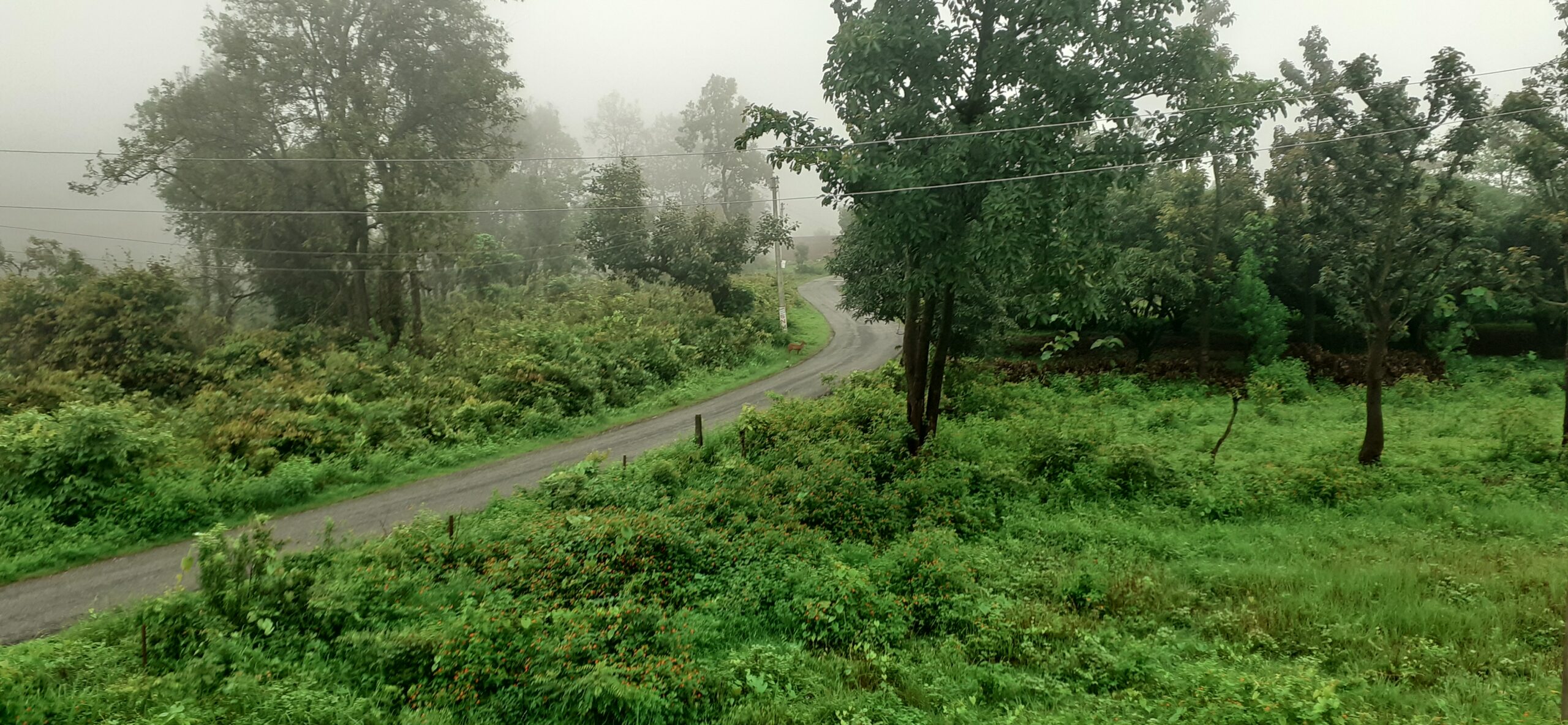
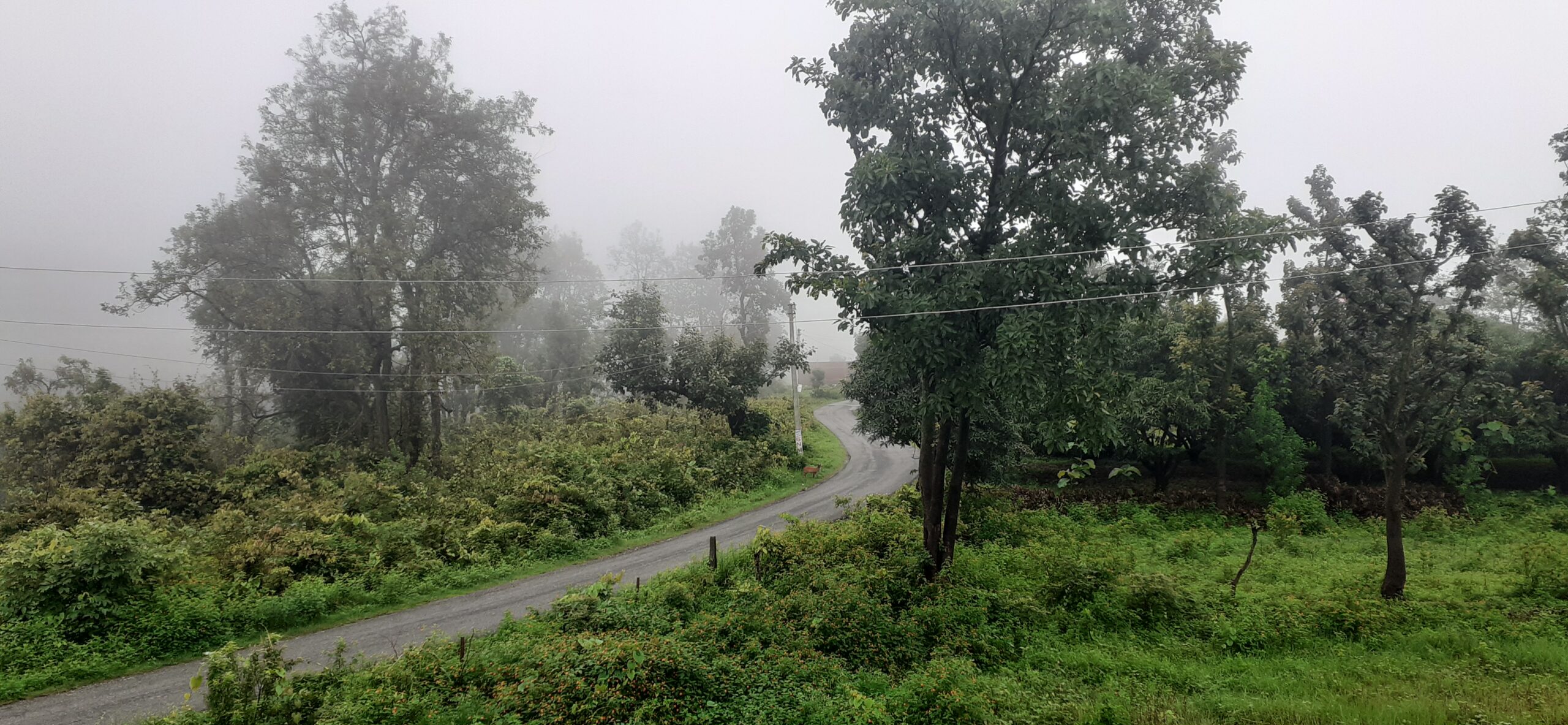
The wonders of nature are never far away in Dehradun. On a rainy morning at our farmhouse, the jungle came right to our doorstep.

A Serene Escape in Dehradun

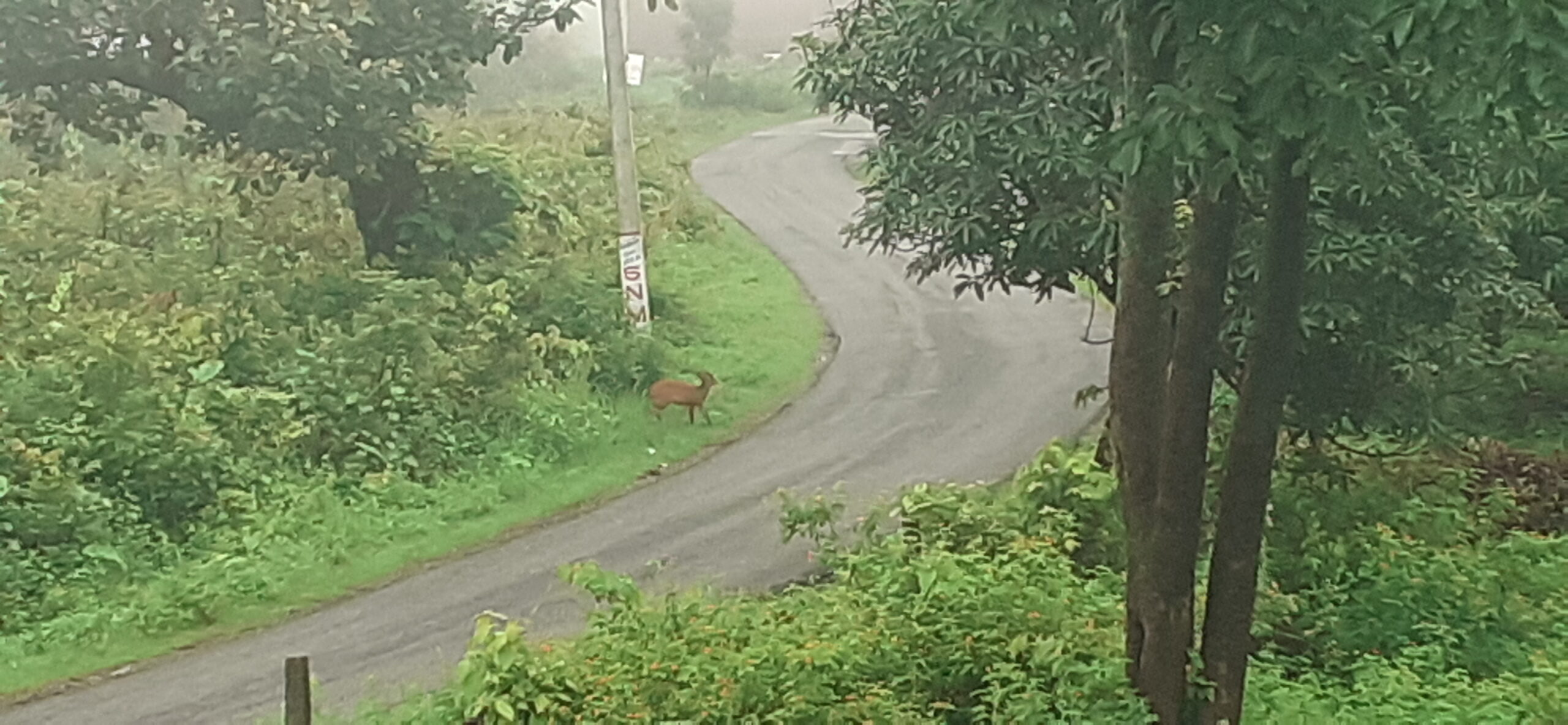
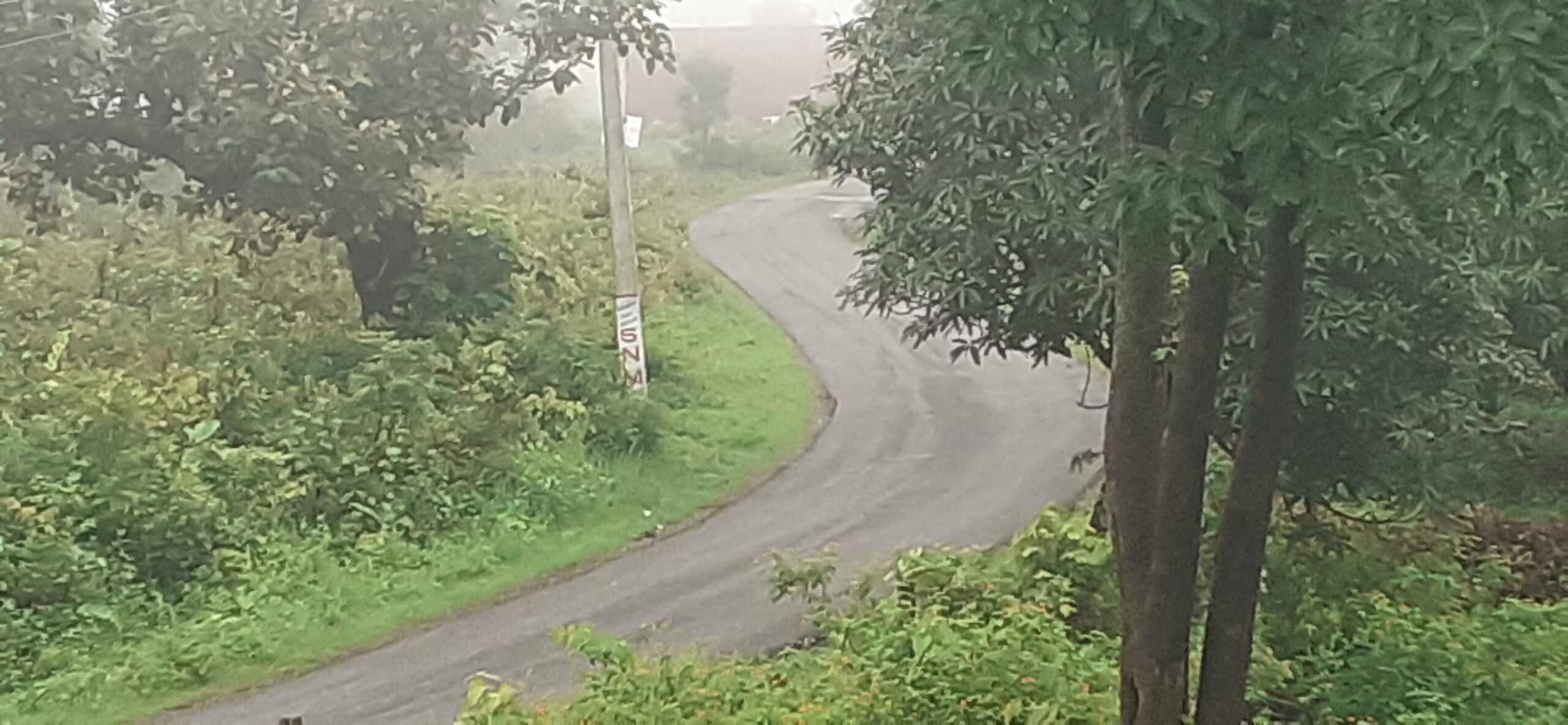
This morning, as I stepped outside our farmhouse in the lush green surroundings, I was greeted by a magnificent sight—a deer gracefully standing by the roadside, hesitating to cross. The rain drizzled gently, creating an enchanting ambiance, and the cloudy weather seemed to beckon the animals that call the nearby jungles their home.

Our farm, nestled amidst the tranquil wilderness, offers a haven where wildlife freely roams, allowing us to witness the beauty of nature firsthand. Just a few kilometers away, I have been spot to leopards on several occasions. Living in Dehradun, nestled in the lower Himalayas, truly offers an unparalleled opportunity to live in harmony with nature.

A Symphony of Wildlife

Our farm, located in the heart of the jungle areas, provides a rare glimpse into the diverse wildlife that thrives in this region. From deer gracefully grazing to hares darting across the fields and rabbits hopping through the meadows, every day brings the joy of encountering these majestic creatures. Even the elusive jackals occasionally make an appearance, their haunting cries piercing the night. The presence of such wildlife reminds us of the interconnectedness of all living beings and the importance of preserving their natural habitats.

Unveiling the Secrets of the Jungle

The lower Himalayas, with its pristine landscapes and dense forests, serve as an invitation for exploration. Venturing into the jungles surrounding Dehradun allows us to unlock the secrets held within. With every step, we immerse ourselves in a world untouched by the chaotic rhythms of urban life. The grandeur of towering trees, the symphony of bird songs, and the fragrant embrace of wildflowers awaken our senses and ignite a deep sense of awe.

Connecting with Nature’s Majesty

Living in Dehradun, we are blessed with the proximity to the mighty Himalayas—an unrivaled marvel of nature. The snow-capped peaks stand tall as a reminder of the raw beauty and power that exists beyond our everyday lives.

wonders of nature
wonders of nature
wonders of nature

Where to Experience the Wonders of Nature Around Dehradun

  • Rajaji National Park – elephants, deer and birdlife on the edge of the Doon valley.
  • Malsi Deer Park – an easy family outing on the Mussoorie road.
  • Robber’s Cave (Guchhupani) – a cool river walk through a narrow gorge.
  • Sahastradhara – sulphur springs and waterfalls best seen after the monsoon.

Plan park visits on the Uttarakhand Tourism site, and read our Dehradun local guide.

Gear for Nature Lovers in Dehradun

As an Amazon Associate I earn from qualifying purchases.

Wonders of Nature: FAQs

When is the best time to see wildlife near Dehradun?

Early mornings during and after the monsoon, when animals move freely and the forests are green.

Is it safe to walk near the forest edge?

Stay on roads and trails, keep a distance from wild animals and avoid walking alone after dark.

Fueling Our Mental Destruction: The Price of Progress and Success

Are we fuelling our own mental destruction in the race for success? Long hours, endless screens and little sunlight are quietly hurting our minds. Here is what to watch for and how to recover.

Are We Fueling Our Mental Destruction?

In our relentless pursuit of progress and success, we often find ourselves questioning if we are inadvertently causing our own mental destruction. It seems that we have become so consumed by the desire for glory, achievements, and financial stability that we have neglected the most important aspects of life.

Our priorities have shifted, leaving us with no time for self-reflection, nurturing our relationships, caring for our beloved pets, or simply appreciating the wonders of nature. This constant cycle of chasing money to meet our financial obligations has trapped us in a state of stagnation, preventing us from exploring our true potential, embracing creativity, and finding joy in the simpler things.

The Illusion of Success

In today’s fast-paced world, success is often equated with material possessions, social status, and the accumulation of wealth. We strive to earn more money to pay off mortgages, car loans, and other commitments, believing that these external markers of success will bring us fulfillment and happiness. However, this pursuit of material gain can quickly become a vicious cycle, trapping us in a never-ending cycle of work and financial obligations.

Too Much of Screen time

Our lives are heavily intertwined with screens. Whether it’s mobile phones, laptops, televisions, or tablet computers, we find ourselves spending an overwhelming amount of time staring at these devices. Unfortunately, this obsession with screens has led to a decline in our overall well-being, including a lack of fulfillment in our daily lives.

The Neglected Importance of Vitamin D

One of the significant consequences of excessive screen time is our decreased exposure to natural sunlight. As we spend more hours indoors, glued to our screens, we miss out on the essential benefits of sunlight. The sun provides us with Vitamin D, a vital nutrient for our bodies. Lack of proper sunlight exposure can lead to deficiencies, impacting our overall health and well-being.

Disconnecting from the Outdoors

Our obsession with progress, client meetings, orders, and job commitments often leaves us with little time to venture outside. Even when we manage to squeeze in some time for outdoor activities, our thoughts remain preoccupied with work-related matters, preventing us from fully enjoying our outings. We need to break free from this cycle of overindulgence in material gains and reconnect with nature.

Rediscovering Our Priorities

It is essential to pause and reflect on what truly matters in life. While financial stability is important, it should not be our sole focus. We need to shift our perspective and place more value on experiences, personal growth, and contributing positively to the world around us.

Embracing the Joy of Nature

Nature has a remarkable ability to heal and rejuvenate our minds and bodies. Instead of being confined to concrete jungles and office cubicles, we should make a conscious effort to spend time in the great outdoors. Take leisurely walks in the park, go on hiking adventures, or simply sit and appreciate the beauty of a sunset. By immersing ourselves in nature, we can escape the relentless demands of modern life and find solace in the tranquility that surrounds us.

Nurturing Our Relationships

In our pursuit of success, we often neglect the very relationships that bring us joy and support. It is vital to prioritize our dear ones, spending quality time with family and friends. Engage in meaningful conversations, create memories together, and strengthen the bonds that truly matter. Remember, true success lies not just in personal achievements but also in the love and connections we share with others.

Embracing the Healing Power of Yoga

Yoga offers a powerful solution to counter the detrimental effects of excessive screen time and the constant pursuit of progress. By incorporating regular yoga practice into our lives, we can create a much-needed balance between our digital engagements and our mental and physical well-being. Yoga provides an opportunity to disconnect from screens and focus on self-care, mindfulness, and inner peace.

Unleashing Creativity

Creativity is the essence of human expression and innovation. Sadly, the demands of a fast-paced world often stifle our creative spirit. We need to reclaim our innate ability to think outside the box, to explore new ideas, and to nurture our imagination. Engage in activities that inspire you, such as painting, writing, playing an instrument, or cooking. Embrace your unique talents and allow yourself the freedom to create without the fear of judgment.

Compassion for All Living Beings

Our actions should extend beyond our immediate circle, encompassing the welfare of all living beings. This includes not only our fellow humans but also animals and the environment. Practice kindness and compassion in your daily life. Volunteer at animal shelters, support conservation efforts, and reduce your ecological footprint. By contributing to the well-being of others, we not only improve the world around us but also find a sense of purpose and fulfillment within ourselves.

Seeking Knowledge and Growth

A stagnant mind is a wasted mind. To break free from the mental destruction caused by the pursuit of progress and success, we must nurture a thirst for knowledge and continuous growth. Read books, explore different cultures, learn new skills, and engage in intellectual discussions. By expanding our horizons, we not only broaden our understanding of the world but also stimulate our minds and nourish our souls.

mental destruction

How to Reverse Mental Destruction: A Simple Daily Plan

  1. Spend 20 minutes outdoors in morning sunlight.
  2. Keep phones away for the first and last hour of the day.
  3. Practise 15 minutes of yoga or pranayama.
  4. Eat one meal a day with family, without screens.
  5. Walk in a park or garden at least three times a week.
  6. Sleep 7–8 hours at regular times.
  7. Speak to a counsellor if stress feels unmanageable.

The World Health Organization has more on mental health, and you may enjoy our story about the wonders of nature in Dehradun.

Mental Destruction: FAQs

What causes mental destruction in modern life?

Chronic stress, excessive screen time, lack of sunlight, little physical activity and weak social bonds all add up.

Can nature really improve mental health?

Yes. Time outdoors, sunlight and green spaces are widely linked to lower stress and better mood.

Exploring the Char Dham Yatra: A Spiritual Journey Like No Other.

The Chardham Yatra takes pilgrims to Yamunotri, Gangotri, Kedarnath and Badrinath, four sacred shrines high in the Uttarakhand Himalayas.

Exploring the Chardham Yatra.

Welcome to Dehraduni.com guide on the Char Dham Yatra, a divine pilgrimage in the heart of the majestic Himalayas. In this article, we will take you on an awe-inspiring journey, providing you with all the essential information you need to embark on this sacred expedition. From the significance of the Char Dham Yatra to the best time to visit, we have got you covered. So, let’s begin this soul-stirring adventure! Exploring the Chardham Yatra.

The Significance of Char Dham Yatra

The Char Dham Yatra, which translates to “the journey to the four abodes,” is a revered pilgrimage for Hindus. It encompasses four sacred sites, namely Yamunotri, Gangotri, Kedarnath, and Badrinath, each associated with different deities. Undertaking this spiritual sojourn is believed to cleanse one’s sins, attain spiritual enlightenment, and seek the blessings of the divine.

Yamunotri: Gateway to the Sacred Yamuna River


Nestled in the Garhwal Himalayas of Uttarakhand, Yamunotri is the starting point of the Char Dham Yatra. Situated at an elevation of 3,293 meters, it is here that the pious Yamuna River originates from the Yamunotri Glacier. Pilgrims visit the revered Yamunotri Temple, dedicated to Goddess Yamuna, and take a dip in the holy thermal springs of Surya Kund. Exploring the Chardham Yatra.

Gangotri: The Abode of the Sacred Ganga River

Our next stop is Gangotri, nestled in the Uttarkashi district of Uttarakhand at an elevation of 3,100 meters. Revered as the origin of the holy Ganga River, Gangotri holds deep spiritual significance. The river here is known as the Bhagirathi, which flows down from Gaumukh—a glacier located several kilometers uphill, accessible only by a challenging trek.

While Gaumukh marks the true source, most pilgrims end their journey at Gangotri itself. At the heart of this sacred town stands the Gangotri Temple, where devotees gather to offer prayers as the river emerges in a powerful yet serene cascade. Surrounded by majestic Himalayan peaks and imbued with a deep sense of divinity, Gangotri leaves a lasting impression on all who visit.

Exploring the Chardham Yatra.

Kedarnath: Seeking the Blessings of Lord Shiva

As we progress on our pilgrimage, we reach the sacred town of Kedarnath, situated in the Rudraprayag district of Uttarakhand. Perched at an altitude of 3,583 meters, this divine destination is dedicated to Lord Shiva. The Kedarnath Temple, one of the twelve Jyotirlingas, is a marvel of ancient architecture and draws devotees from far and wide. Surrounded by snow-capped peaks, Kedarnath offers a serene and spiritual retreat amidst the lap of nature.

Badrinath: The Final Stop of Divine Grace

Our journey culminates in Badrinath, the holiest of the Char Dhams, located in the Chamoli district of Uttarakhand. Revered as the abode of Lord Vishnu, Badrinath is situated at an elevation of 3,133 meters. The Badrinath Temple, a masterpiece of religious architecture, stands as a testament to the devotion and faith of millions of pilgrims. The tranquil surroundings and the mesmerizing Alaknanda River flowing nearby add to the ethereal charm of this sacred site. Exploring the Chardham Yatra.

The Best Time to Embark on Char Dham Yatra

The Char Dham Yatra is generally undertaken during the summer months, from April to June, and during the autumn season, from September to November. These periods offer pleasant weather, allowing pilgrims to traverse the mountainous terrain with relative ease. It is advisable to avoid the monsoon season due to heavy rainfall and the winter season due to extreme cold and heavy snowfall.

Planning Your Char Dham Yatra

When planning your Char Dham Yatra, it is essential to make necessary arrangements to ensure a smooth and hassle-free journey. Here are a few tips to help you plan your pilgrimage effectively:

  1. Research and Prepare:Gather detailed information about the pilgrimage, including travel routes, weather conditions, and accommodation options.
  2. Pack Wisely:Pack warm clothing, comfortable footwear, essential medicines, and other necessary items for your journey. It is advisable to carry a first aid kit and maintain proper hydration throughout the trip.
  3. Book Accommodation in Advance:Exploring the Chardham Yatra. attracts a significant number of devotees, it is crucial to book your accommodation well in advance to avoid any last-minute hassles.
  4. Seek Local Guidance:Interact with locals and seek their guidance during your pilgrimage. They can provide valuable insights into the region, help you navigate challenging terrains, and enhance your overall experience.
  5. Respect the Environment:The Char Dham Yatra takes you through ecologically fragile areas. It is essential to respect the environment, avoid littering, and follow sustainable practices to preserve the pristine beauty of the Himalayas.

Conclusion

Embarking on the Char Dham Yatra is an extraordinary spiritual endeavor that offers a profound connection with nature, divinity, and one’s inner self. From the serene Yamunotri to the majestic Badrinath, each destination holds its own charm and significance. As you undertake this sacred journey, let your heart be filled with devotion, your mind be immersed in tranquility, and your soul be uplifted by the divine grace that permeates the Himalayan valleys.


Chardham Yatra
Chardham Yatra

Chardham Yatra Route from Dehradun

The traditional order is Yamunotri, Gangotri, Kedarnath and then Badrinath. From Dehradun most pilgrims drive via Mussoorie or Vikasnagar towards Barkot for Yamunotri, then to Uttarkashi for Gangotri, on to Guptkashi and Sonprayag for Kedarnath, and finally to Joshimath and Badrinath.

Chardham Yatra Essentials

  • Season: the shrines usually open from late April or May and close around Diwali.
  • Registration: online registration is mandatory for pilgrims.
  • Time needed: plan 10–12 days by road.
  • Pack: warm layers, rain gear, good shoes and basic medicines.
  • Stay: book ahead in peak months; Naro Eco Resort on the Yamunotri highway is a peaceful stop near Dehradun.

Register and check updates on the official Uttarakhand pilgrim registration portal.

Also read our Paithani Rahu Temple road trip.

Chardham Yatra Packing Essentials

As an Amazon Associate I earn from qualifying purchases.

Chardham Yatra: FAQs

What is the best time for the Chardham Yatra?

May to June and September to October, avoiding the heaviest monsoon weeks.

Is registration required for the Chardham Yatra?

Yes, every pilgrim must register on the Uttarakhand government portal before travelling.

How many days does the Chardham Yatra take?

About 10–12 days by road from Dehradun or Haridwar; helicopter packages are shorter.

local links

Local Links

local links

These local links bring together the most useful Dehradun resources in one place, from sightseeing and food to land, stays and services.

Local Links – Dehradun: The Finest City

Dehradun is renowned for its welcoming ambiance, the aromatic Basmati rice grown in its fertile lands, and its association with prestigious national institutions such as the IMA, the LBS Academy, ONGC and the Survey of India.

Visitors who have experienced Dehradun find it etched in their memories for decades. Many return when they are older, seeking to purchase land and settle here with their families. This tradition has continued for generations. With the emergence of new educational institutions on the city’s outskirts, young families are now also moving to Dehradun. The city has become an educational hub of India, a capital where progress, peace and tranquillity thrive.

Getting to Know Dehradun

Dehradun sits in the Doon Valley between the Shivalik hills and the lower Himalayas, with the Ganga flowing on one side and the Yamuna on the other. It is the capital of Uttarakhand and the base for most journeys into the Garhwal Himalayas.

  • By air: Jolly Grant Airport is about 25 km from the city, between Dehradun and Rishikesh.
  • By train: Dehradun railway station has direct trains from Delhi and other major cities.
  • By road: Regular buses and taxis connect Dehradun with Delhi, Chandigarh, Haridwar and the hill towns.
  • Best time to visit: March to June and September to November are pleasant. Winters are cool and clear, and the monsoon turns the whole valley green.

A City of Great Institutions

Few cities of its size have as many national institutions as Dehradun. The Indian Military Academy trains officers for the Indian Army, the Forest Research Institute is one of the oldest forestry institutes in Asia, and the Survey of India has mapped the country from here for well over a century. ONGC and the Wadia Institute of Himalayan Geology are also based in the city, along with famous boarding schools such as The Doon School. This gives Dehradun its educated, cosmopolitan character and a steady flow of families, students and professionals.

Places to Visit in and Around Dehradun

  • Forest Research Institute (FRI): A grand colonial-era campus with museums and beautiful lawns.
  • Sahastradhara: Known for its sulphur springs and small caves, popular on weekends.
  • Robber’s Cave (Guchhupani): A narrow river gorge where you can walk through cool, flowing water.
  • Mussoorie: The Queen of Hills, just above the city. Read about our January snow trip to Mussoorie.
  • Rishikesh and Haridwar: Holy cities on the Ganga, an easy day trip from Dehradun.
  • Kalsi and Vikasnagar: Home to Emperor Ashoka’s rock edict and the gateway to the Jaunsar-Bawar region and Chakrata.
  • Pilgrimages: Dehradun is the starting point for the Char Dham Yatra, the Kartik Swami Temple trek and our road trip to the Paithani Rahu Temple.

Food and Shopping: Dehradun Basmati and Organic Produce

Dehradun Basmati, once considered a luxury beyond the reach of middle-class families due to limited cultivation and high prices, is now made accessible by Double Good Organics, an e-commerce company. Double Good offers both the traditional aromatic Dehradun Basmati and the premium unpolished Indra Dev Basmati. The natural fragrance of these varieties surpasses that of Punjab Basmati by a wide margin.

Apart from basmati, the hills around Dehradun produce millets, red rice, pulses, honey and spices. Read our guide to buying organic groceries online and why you should replace rice with millets. Have a question before you order? Chat with Surya, the full help chat on doublegood.in, in English, Hindi or Hinglish for product advice, prices, shipping charges to your pincode and bulk order quotes. For shopping in person, Paltan Bazaar near the Clock Tower is the city’s busiest market.

Living and Buying Land in Dehradun

The city has always attracted intellectuals and like-minded people from around the world, living up to its reputation. However, as times change and urban landscapes give way to high-rise apartments and infrastructure development, the serenity within the city centre is gradually diminishing. The once enchanting litchi orchards have made way for progress.

Hill Plots, known for their reliability and trustworthiness, now promote and sell land primarily on the outskirts, particularly in the Vikasnagar belt. They are setting a trend for future land developers in the area, offering budget and ideal agricultural plots with growth potential and long-term value in the growing Bhauwala area, with no brokerage and no commission. Before you buy, read our guide to real estate in Dehradun, which includes a checklist of documents to verify.

Where to Stay: Naro Eco Resort on the Char Dham Route

During the Char Dham Yatra, Naro Eco Resort, renowned for destination weddings and peaceful getaways, caters to pilgrims travelling to the Yamunotri and Gangotri dhams. Located on the highway near Vikasnagar, the resort offers a picturesque setting for families, couples and pilgrims who want a calm break on the way to the mountains. It has comfortable double and family rooms, the pure-vegetarian Naro Restaurant, open lawns for weddings and functions, and a new swimming pool. The resort is couple friendly.

The resort website has Naro Surya, a full AI help chat and local tourist guide. Ask it about rooms, booking, functions and weddings, check-in times, nearby temples and sightseeing, or the best route to Yamunotri. Naro Surya answers in English, Hindi and Hinglish, and you can even speak your question. Planning a celebration? See why it is an events paradise near Dehradun.

Stock Market Tools from Dehradun: 11Creations

11Creations is a Dehradun-based team of developers and stock-trading guides. Their free NIFTYBEES pre-market app helps investors follow the NIFTYBEES ETF before the market opens and look at its past returns, so they can plan their day with better information.

Tips for First-Time Visitors

  • Carry a light jacket even in summer if you plan to go up to Mussoorie or Chakrata.
  • Avoid hill roads during heavy monsoon rain and always check road conditions before travelling.
  • Try local Garhwali food such as mandua roti, jhangora kheer and chainsoo.
  • Respect the mountains: carry your waste back with you and do not use plastic on treks.

Dehradun rewards those who slow down and explore it properly. Whether you come for a weekend, a pilgrimage or to settle down for life, we hope these local links help you discover the best of the Doon Valley.

Local Links: Quick Reference

Local Links: FAQs

What are these local links for?

They are a quick guide to trusted Dehradun services and information for visitors and residents.

How often are the local links updated?

We review them regularly and add new useful resources as Dehradun grows.

real estate in Dehradun

Real Estate in Dehradun

real estate in Dehradun

Real estate in Dehradun keeps attracting buyers from across India thanks to clean air, good schools and Himalayan views. Here is what to check before you buy.

The real estate market in Dehradun has always been highly sought after, particularly since the city became the capital of the state. Dehradun, a remarkable Himalayan city in India, offers a unique blend of amenities and natural beauty. While it lacks a coastline, it remains a complete, vibrant, peaceful, and nature-rich city.

Situated on the upper side is Mussoorie, considered one of the finest hill stations in India. On the other side, we find the religious pilgrimage cities of Rishikesh and Haridwar. Additionally, there is Vikasnagar, an ancient town that houses the inscribed rocks of Emperor Ashoka at Kalsi. It also serves as the gateway to the Jaunsar-Bawar region, known for its association with the Kuru dynasty (the Kauravas and Pandavas of the Mahabharata).

Dehradun boasts the distinct advantage of being surrounded by the two holiest rivers in India, the Ganga and the Yamuna. These rivers flow on either side of the city, almost equidistant from its inhabitants, signifying the fortunate position of the city’s residents.

Why People Want to Buy Property in Dehradun

Dehradun has a rare mix of qualities that few Indian cities can match. Here is why demand for plots and homes in the Doon Valley keeps rising year after year:

  • Climate and clean air: Mild summers, pleasant winters and green surroundings make it one of the most liveable cities in North India.
  • Education hub: The city is home to famous boarding schools, colleges and national institutions such as the Indian Military Academy, the Forest Research Institute and the Survey of India. Families move here so their children can study in good schools.
  • Connectivity: Jolly Grant Airport, regular trains, and much-improved highways connect Dehradun with Delhi and the rest of the country.
  • Peace and safety: Retired officers, professionals and people working from home choose Dehradun for its slower, calmer pace of life.
  • Gateway to the Himalayas: Mussoorie, Rishikesh, Haridwar, Chakrata and the Char Dham Yatra routes are all within easy reach.

Best Areas to Look at Around Dehradun

The city centre is now crowded and expensive. Most buyers looking for value, open space and views are moving towards the outskirts:

  • Vikasnagar belt: Lies between the Yamuna and the Shivalik hills, has fertile land, mountain views and is still reasonably priced compared to the city. It is close to Kalsi, Dakpathar and the road towards Chakrata.
  • Sahaspur and Selaqui: Growing quickly because of the industrial area, new colleges and better roads.
  • Raipur and Sahastradhara Road: Popular for homes near the forest and the hills on the eastern side of the city.
  • Doiwala and Jolly Grant side: Convenient for people who travel often because the airport is nearby.

Plot or Flat: Which Is Better?

High-rise apartments are coming up across Dehradun, but many buyers still prefer a plot of land. A plot gives you freedom to build your own home, plant a garden and grow your own vegetables. Land in a well-chosen location also tends to hold its value over the long term. Flats are easier to maintain and offer security and shared facilities, so they suit people who want a ready-to-move home. Think about how you want to live before you decide.

Plots in and around Dehradun are usually sold in Gaj (square yards) for smaller residential plots and in Bigha for larger pieces of land. The size of a bigha differs from one area to another, so always get the exact area written in square metres or Gaj in your agreement.

Checklist Before You Buy Land in Dehradun

  1. Check the title: Ask for the khatauni (land record) and the chain of previous sale deeds, and confirm the seller is the actual owner.
  2. Confirm mutation (dakhil-kharij): Make sure the land is mutated in the seller’s name in the revenue records.
  3. Know the land use: Agricultural land and residential land are treated differently. Uttarakhand has tightened its land laws in recent years, especially for buyers from outside the state, so check the current rules with the sub-registrar office or a local lawyer before paying any money.
  4. Check road access and boundaries: Visit the site, walk the boundaries and confirm the approach road width in the documents.
  5. Look for RERA registration: If you are buying in a plotted colony or project, check that it is registered with Uttarakhand RERA.
  6. Water, power and drainage: Ask about the water source, the electricity connection and how rainwater drains in the monsoon.
  7. Use a written agreement: Never pay a large token amount without a proper written agreement.

Is Dehradun a Good Investment?

The city attracts intellectuals and like-minded people from all over the world. As the city centre fills up with apartments and new infrastructure, the outskirts are where the open land and peaceful living remain. Areas that have new roads, colleges and industry coming up nearby generally see steady demand. Like any investment, buy with a long-term view, deal only with trusted people and complete all the legal checks.

Buying Agricultural Land Near Dehradun with Hill Plots

Hill Plots helps buyers find budget and ideal agricultural land plots in the growing area of Bhauwala, in the Vikasnagar region of Dehradun. These plots suit many uses: a farmhouse, an orchard, organic farming, a weekend retreat, or simply a long-term investment with strong growth potential.

  • No brokerage, no commission: Deals are directly between the buyer and the owner.
  • Transparent papers: Ownership documents are shared with you so your own lawyer can verify them before you decide.
  • Registry at Vikasnagar Tehsil: Registration is done at the local tehsil office.
  • Registry cost calculator: The website has a calculator that works out plot area and estimated registry cost using official circle rates.
  • Site visits on WhatsApp: Book a visit to see the land, the views and the approach road for yourself.

If you are looking for land with long-term value in a growing area near Dehradun, visit hillplots.com.

Planning to settle in the Doon Valley? Read more about life and trusted local businesses in Dehradun and discover the nature around our farmhouse in Dehradun.

Real Estate in Dehradun: 6 Smart Checks

  1. Verify the title and mutation records at the tehsil.
  2. Check land use: residential, agricultural or forest.
  3. Confirm approvals from MDDA for urban plots.
  4. Inspect road access, water and electricity.
  5. Compare circle rates with the asking price.
  6. Use a registered sale deed and pay stamp duty correctly.

Check stamp duty and property records on the Uttarakhand registration portal. Also see our Dehradun local links.

Real Estate in Dehradun: FAQs

Is real estate in Dehradun a good investment?

Demand has stayed strong as more families relocate for quality of life, but returns depend on location and legal clarity.

Can outsiders buy land in Uttarakhand?

Rules for agricultural land have tightened for buyers from outside the state; check the latest law before you buy.

Page 2 of 3