Realistic Experience of an Explorer

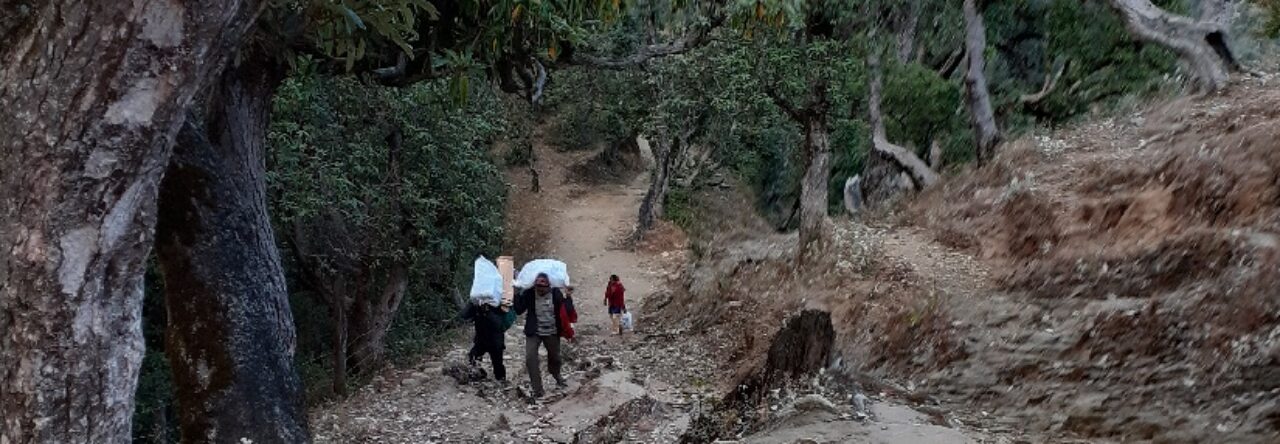
trek route

Category: Travel & Pilgrimage

Travel guides and pilgrimages in Uttarakhand and the Himalayas: Char Dham Yatra, Himalayan temples, treks and road trips from Dehradun.

Kunjapuri Temple near Rishikesh with saffron flags

Kunjapuri Temple near Rishikesh: How to Reach, Legend & Sunrise Guide

Kunjapuri Temple is one of the easiest and most rewarding hilltop temples to visit from Dehradun and Rishikesh. Perched at about 1,600 metres above Narendra Nagar, this shrine of Goddess Kunjapuri Devi is one of the revered Shakti Peeths of Uttarakhand, and it is famous for sunrise views over the snow peaks of the Garhwal Himalaya and the Bhagirathi valley. Here is our complete, step-by-step guide to getting there and what to expect.
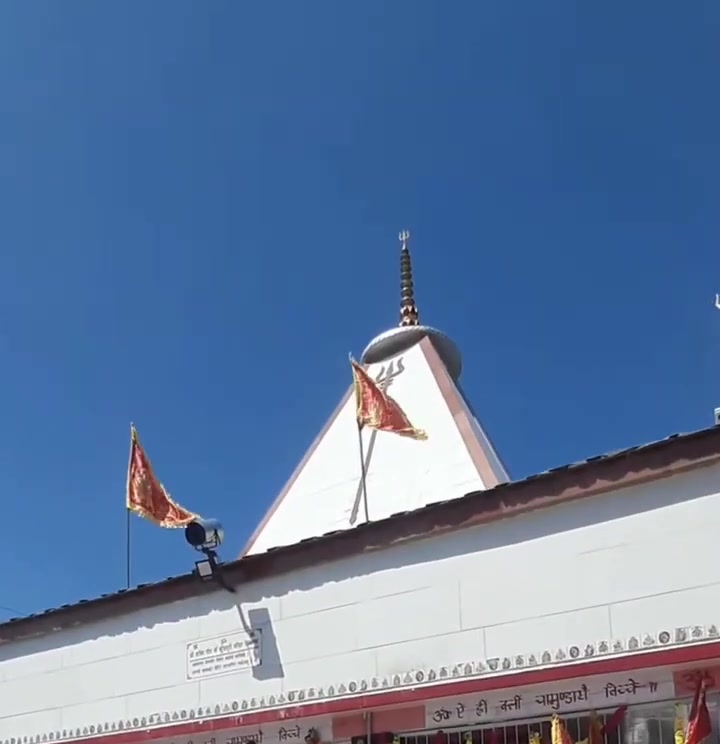
Kunjapuri Temple near Rishikesh with saffron flags
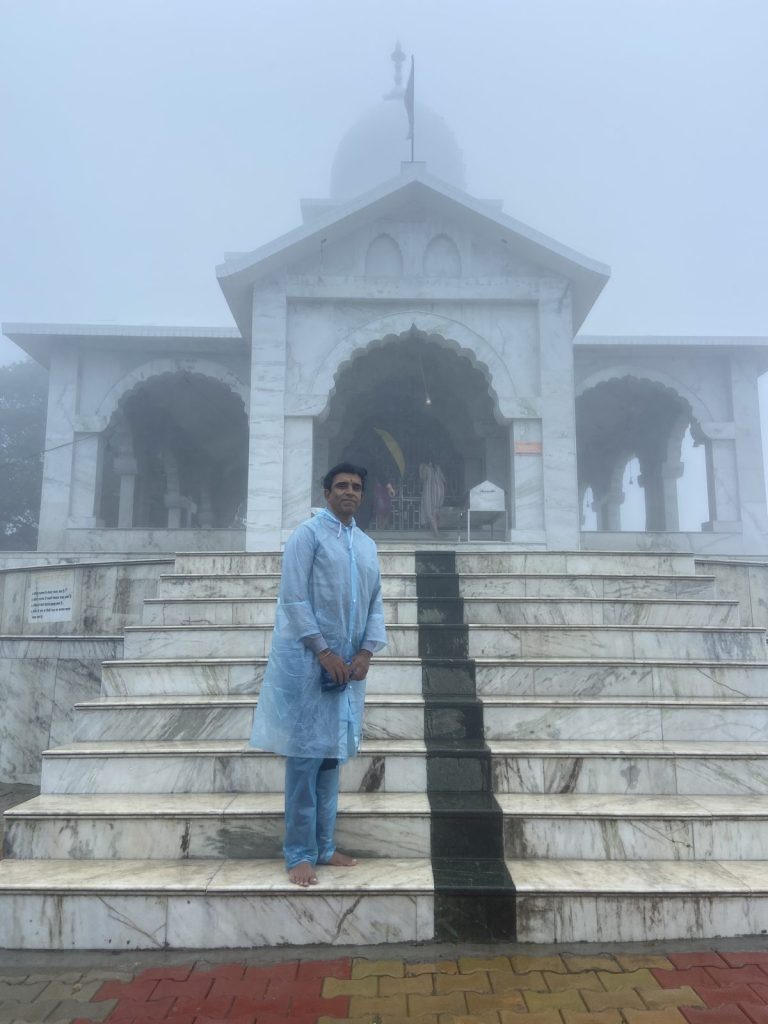
The white shikhara of Kunjapuri Devi Temple

Kunjapuri Temple at a Glance

  • Deity: Goddess Kunjapuri Devi, a form of Goddess Durga
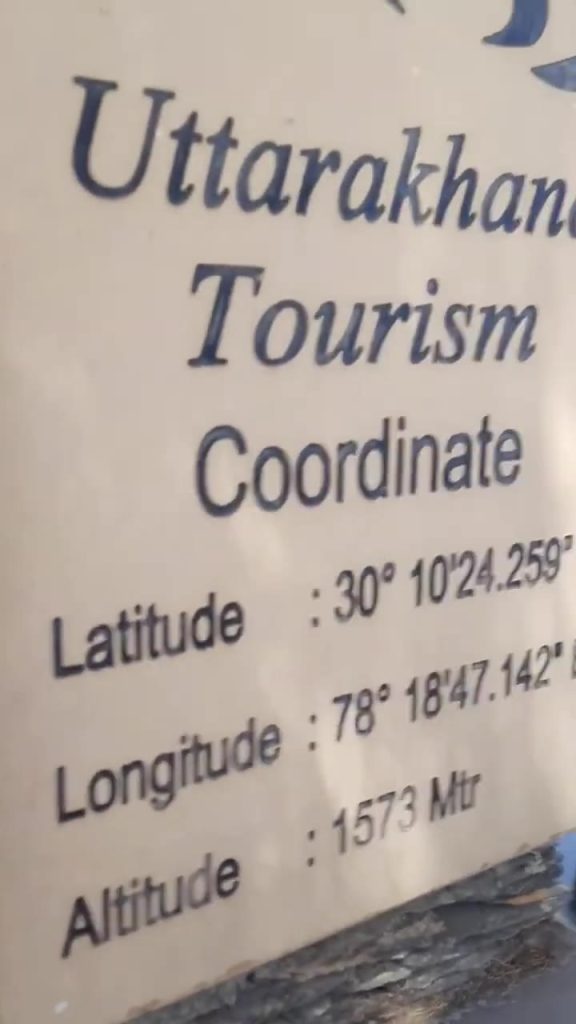
  • Altitude: about 1,600 m (the Uttarakhand Tourism board at the top reads 1,573 m)
  • Location: above Narendra Nagar, Tehri Garhwal district, Uttarakhand
  • Distance: about 25 km by road from Rishikesh and around 70 km from Dehradun
  • Steps: around 300 steps from the parking area to the shrine
  • Best time: October to March for clear Himalayan views; go early for the sunrise
  • Busiest days: Navratri, when thousands of devotees visit

The Legend of Kunjapuri Devi

According to the information board at the temple, Kunjapuri is one of the Siddha Peeths established in the region by Jagadguru Shankaracharya. Legend says that when Goddess Sati gave up her life in the yajna of her father Daksha, Lord Shiva carried her body back towards Kailash. Wherever parts of her body fell, a Shakti Peeth arose. The upper half of Sati’s body is believed to have fallen here, and the temple of Kunjapuri Devi stands at that spot. Together with Surkanda Devi and Chandrabadni, Kunjapuri forms a sacred triangle of Shakti Peeths in Tehri district.

How to Reach Kunjapuri Temple: Step by Step

Step 1: Dehradun to Rishikesh (about 45 km)

Drive or take a bus from Dehradun to Rishikesh via Doiwala. The road is wide and easy, and the drive takes about an hour.
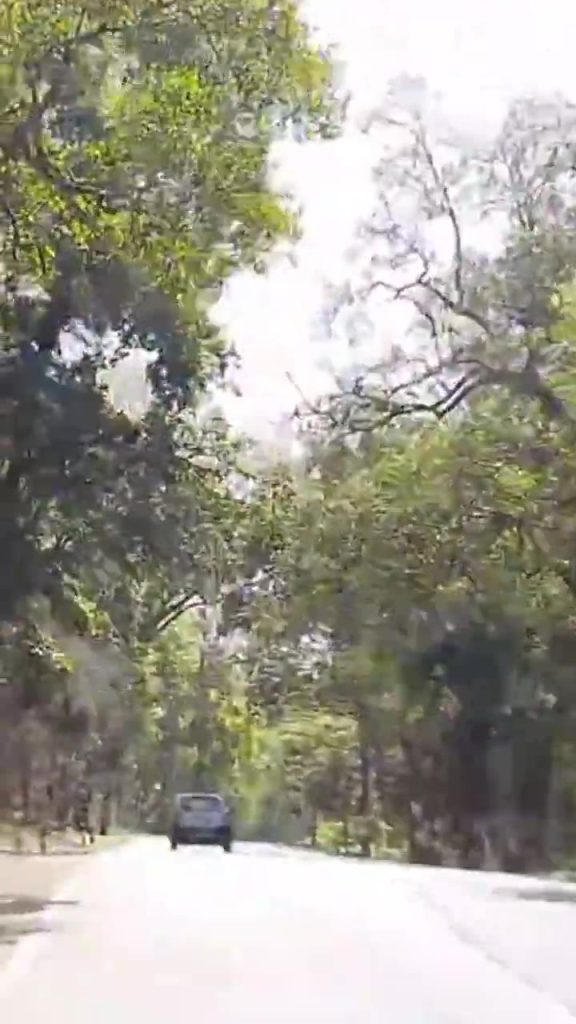
Forest road to Kunjapuri Temple via Narendra Nagar
The forest road climbing towards Narendra Nagar

Step 2: Rishikesh to Narendra Nagar

From Rishikesh, take the Rishikesh–Chamba highway (towards New Tehri) and climb up to Narendra Nagar. The road winds through sal and pine forest with views back over the Ganga valley.
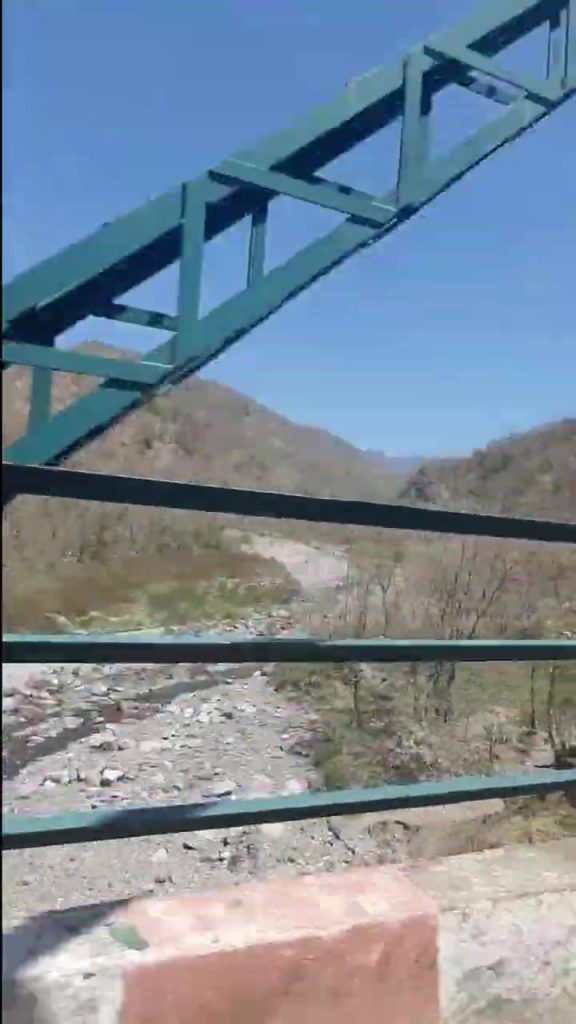
Bridge on the way to Kunjapuri Temple
Crossing a river bed on the drive up

Step 3: Turn off for Kunjapuri at Hindolakhal

Beyond Narendra Nagar, look for the Kunjapuri road turning off the highway near Hindolakhal. Follow it up to the temple parking area. The last stretch is a narrow hill road with sharp bends, so drive slowly and use your horn on blind corners.

Step 4: Park, buy prasad and climb the steps

At the base you will find parking and small shops selling prasad, chunri and flowers for the goddess. From here, around 300 steps lead up to the shrine. Take them slowly and stop on the way to enjoy the views.
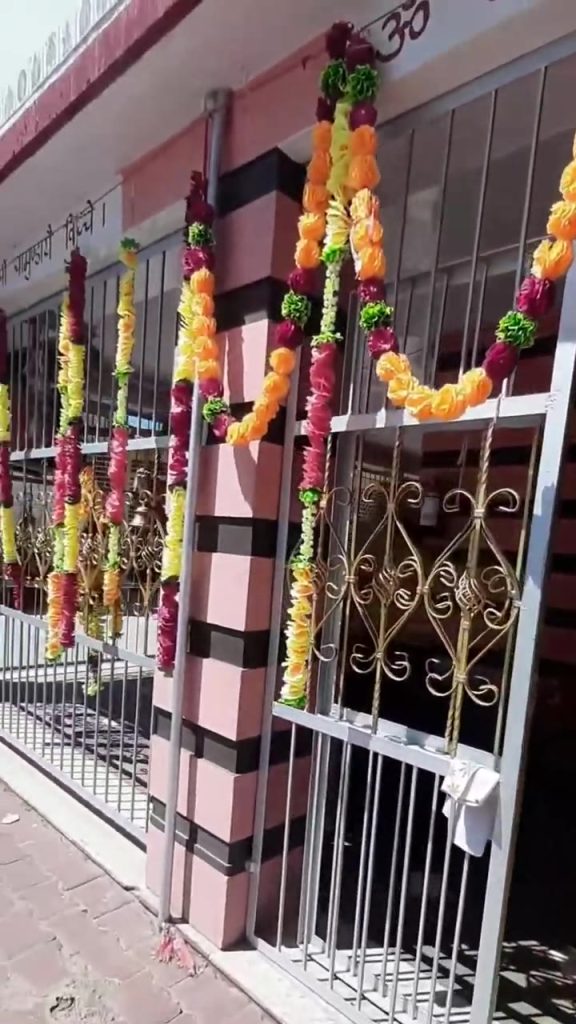
Marigold garlands at the Kunjapuri Devi temple gate
Marigold garlands at the temple gate

Other ways to get there

  • Taxi: shared and private taxis run from Rishikesh; a private cab is the easiest option for the sunrise.
  • Trek: a forest trail of about 5 km climbs from Hindolakhal village to the temple, and longer sunrise treks start from the Tapovan side of Rishikesh.
  • Nearest airport: Jolly Grant Airport, Dehradun.
  • Nearest railway station: Rishikesh.
Uttarakhand Tourism board showing Kunjapuri Temple altitude
The Uttarakhand Tourism board at the top: 1,573 m

What You Will See at the Top

The temple courtyard opens onto a ridge with a sweeping view in almost every direction. On clear mornings you can see the snow-covered peaks of the Garhwal Himalaya on one side, and the Bhagirathi valley and the plains around Rishikesh and Haridwar on the other. Red and gold flags of the goddess flutter along the railing, and benches along the edge make it a lovely place to sit after darshan.
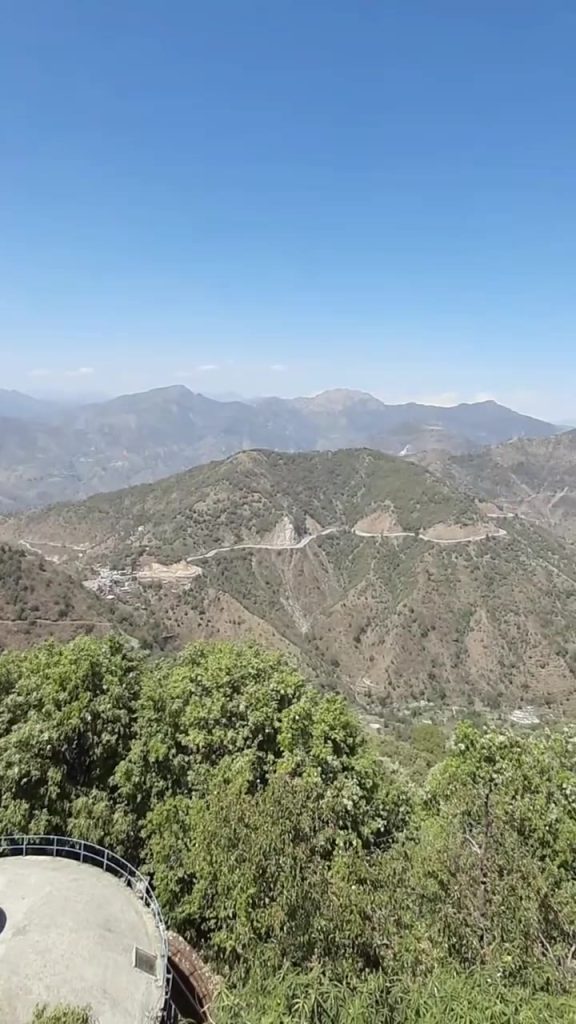
View of the Garhwal hills from Kunjapuri Temple
The view over the Garhwal hills from the temple

Travel Tips for Kunjapuri Temple

  • Leave Rishikesh by about 5 am if you want to catch the sunrise from the top.
  • Carry a light jacket; mornings on the ridge are cold even in spring.
  • Carry water and a few snacks, and keep some cash for prasad and parking.
  • Avoid the monsoon months if you can, when the hill road and trail can be slippery.
  • Combine your trip with other hilltop shrines near Dehradun, such as Matogi Shiva Temple and Bhadraj Temple.
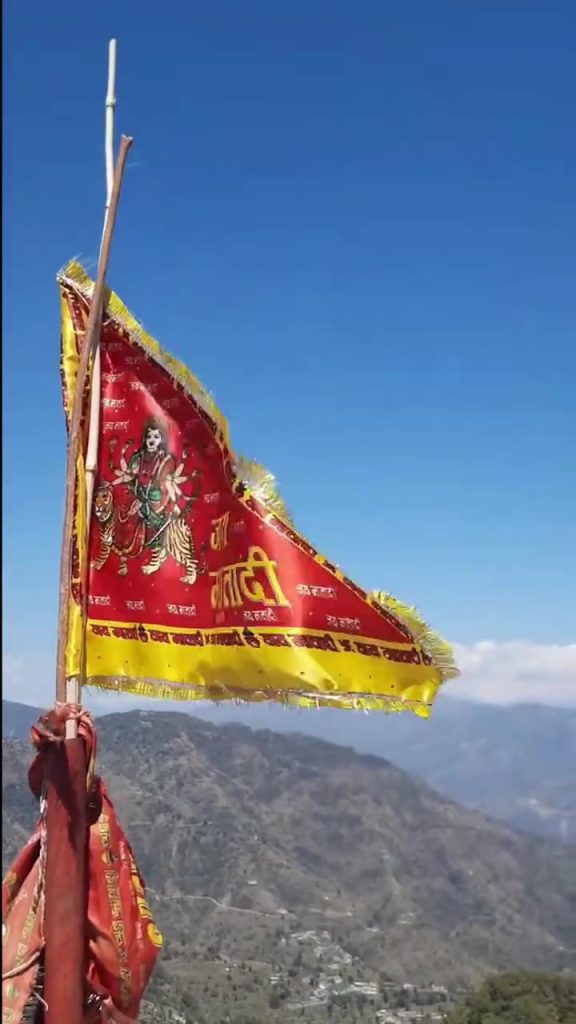
Flags of Kunjapuri Devi above the Bhagirathi valley
Flags of the goddess above the valley

What to Carry for Kunjapuri Temple

As an Amazon Associate I earn from qualifying purchases.

Watch: Our Guided Trip to Kunjapuri Temple

Watch the Reel on Instagram @dehraduni1.

Kunjapuri Temple: Frequently Asked Questions

How far is Kunjapuri Temple from Rishikesh?

Kunjapuri Temple is about 25 km by road from Rishikesh, via Narendra Nagar and Hindolakhal. The drive takes around an hour.

How far is Kunjapuri Temple from Dehradun?

It is around 70 km from Dehradun via Rishikesh, a drive of about two to two and a half hours.

How many steps are there at Kunjapuri Temple?

There are around 300 steps from the parking area to the shrine.

Why is Kunjapuri Temple famous?

Kunjapuri is a revered Shakti Peeth where the upper half of Goddess Sati’s body is believed to have fallen. It is also famous for sunrise views of the Himalayan snow peaks.

What is the best time to visit Kunjapuri Temple?

October to March offers the clearest skies. Go early in the morning for the sunrise, and expect large crowds during Navratri.
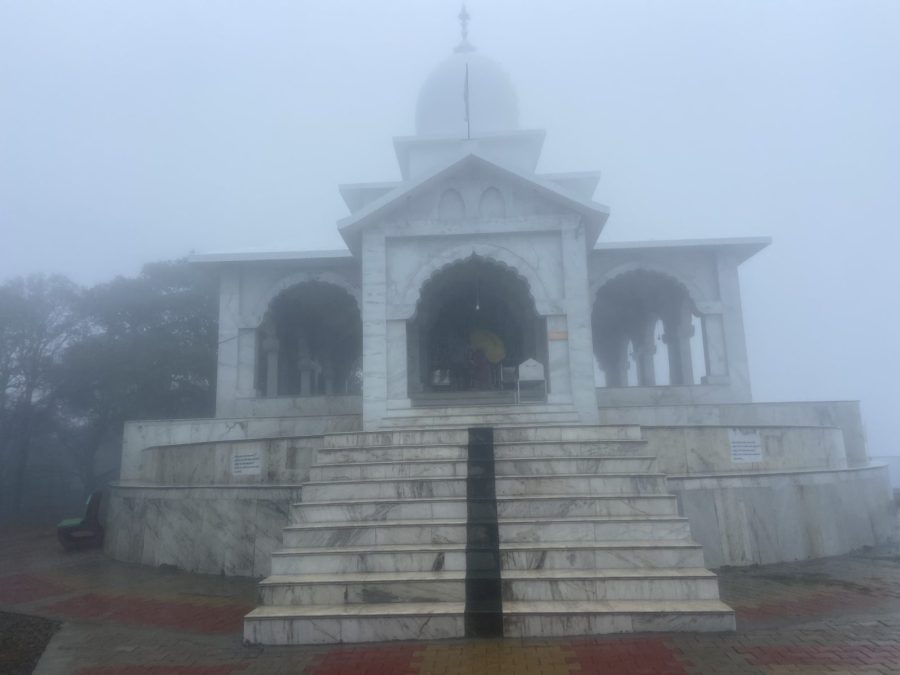
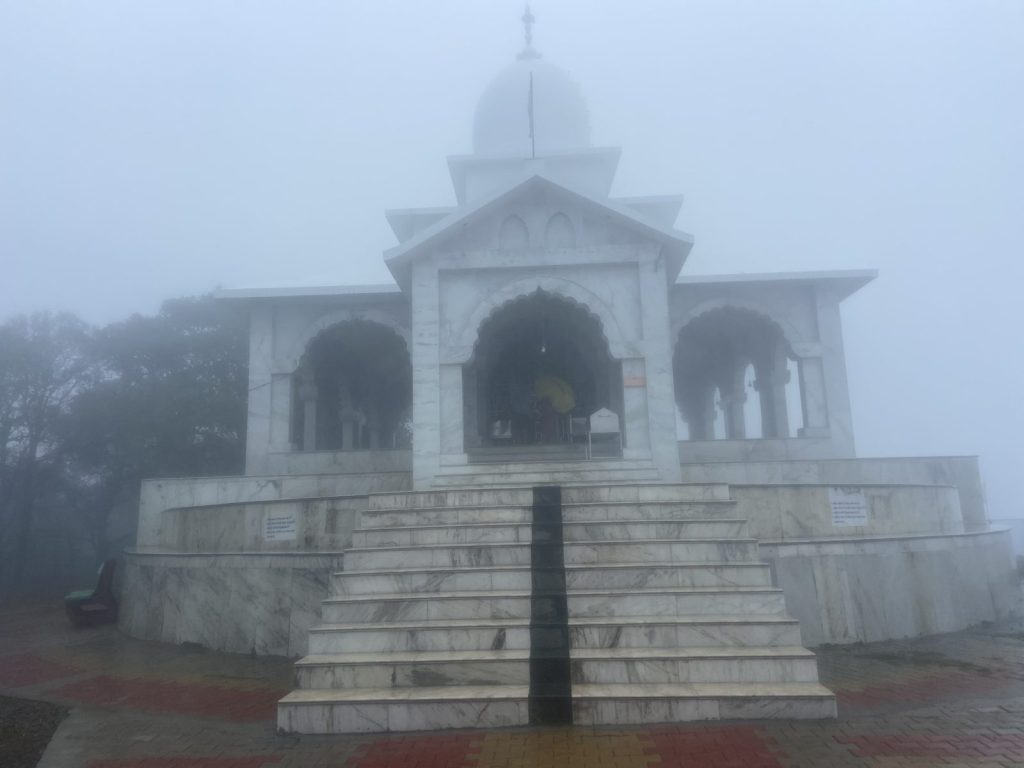
Bhadraj Temple near Mussoorie wrapped in monsoon clouds

Bhadraj Temple near Mussoorie: Route, Legend, Rules & Travel Guide

Bhadraj Temple is one of the most rewarding day trips from Dehradun and Mussoorie. Perched on a grassy hilltop at about 2,230 metres (7,300 ft), this white marble shrine of Lord Balbhadra, also called Balram, the elder brother of Lord Krishna, often floats above the clouds. We rode up on a monsoon morning, past the emerald waters of the Yamuna and waterfalls on almost every bend, and reached a temple wrapped completely in mist.

Bhadraj Temple near Mussoorie wrapped in monsoon clouds
Bhadraj Temple in the clouds during monsoon

Bhadraj Temple at a Glance

  • Deity: Lord Balbhadra (Balram), worshipped locally as Bhadraj Devta
  • Altitude: about 2,230 m (7,300 ft)
  • Location: Jaunpur area, roughly 14 km west of Mussoorie, Dehradun district, Uttarakhand
  • Managed by: Bhadraj Mandir Samiti (registered), Binhar Jaunpur
  • Annual fair: 16 and 17 August
  • Best time to visit: March to June for clear Himalayan views, July to September for clouds and green meadows, October to November for crisp skies

The Legend of Bhadraj Devta

Local belief says that Lord Balbhadra stopped on this hill and taught the herdsmen of the area how to look after their cattle. In gratitude, villagers began offering milk and butter to the deity, a custom that continues today. Over the years the offering grew into the Bhadraj fair, when people from the surrounding villages climb the hill with milk, butter and songs. For the herding families of Jaunpur and Pachhwadoon, Bhadraj Devta is still the protector of their cattle.

Marble steps of Bhadraj Temple, shrine of Lord Balbhadra
The marble steps leading to the shrine of Lord Balbhadra

How to Reach Bhadraj Temple from Dehradun

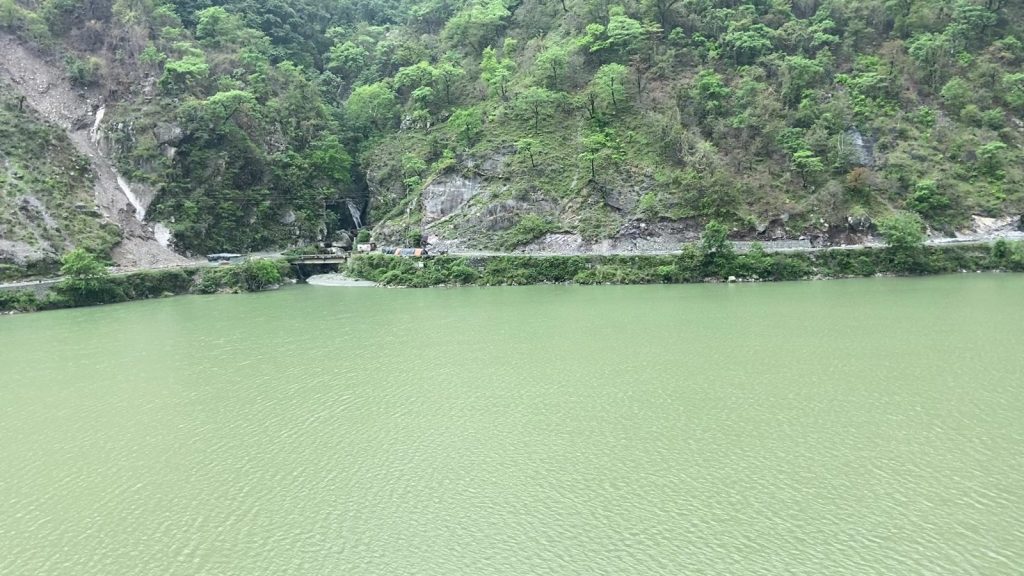
We took the scenic western route. From Dehradun, head towards Vikasnagar and Kalsi, then follow the Yamuna upstream. The road runs beside the wide, emerald reservoir near the Vyasi hydro project and climbs past waterfalls that pour straight onto the road in the monsoon. From there the road winds up through the villages of Jaunpur towards the Bhadraj ridge.

Emerald Yamuna reservoir on the road to Bhadraj Temple
The emerald Yamuna near the Vyasi project, on the way to Bhadraj

The other popular approach is from Mussoorie: drive or ride via Cloud End and Dudhli village, then walk the final stretch to the top. Many trekkers also make it a classic Bhadraj trek, with the last few kilometres on foot through oak and rhododendron forest.

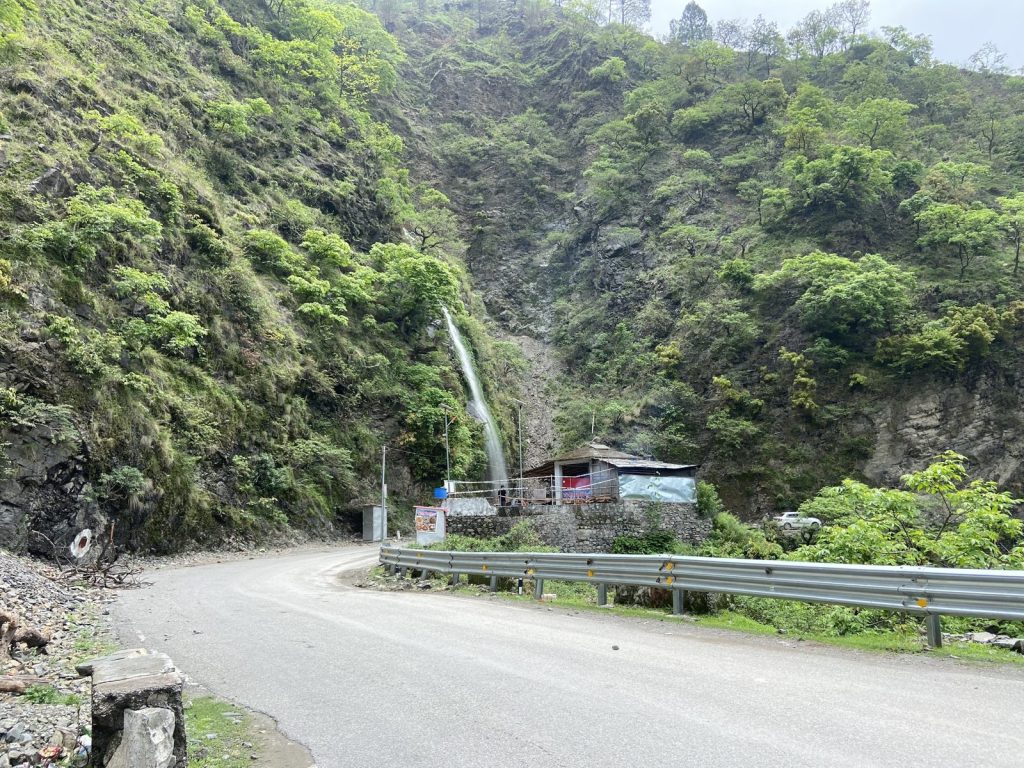
Waterfall beside the road to Bhadraj Temple
One of many monsoon waterfalls on the route
  • By car or bike: the road is narrow and steep in places, so ride slowly, especially after rain.
  • On foot: the trail from Dudhli is moderate and suits most walkers with basic fitness.
  • Nearest town for fuel and food: Mussoorie on one side, Vikasnagar on the other.
Jaunpur valley view on the Bhadraj Temple route
Terraced fields and the Yamuna valley on the climb

What to Expect at the Top

The temple stands on a broad meadow with a wide flight of marble steps leading to the shrine. A large bell hangs at the entrance, and the courtyard has benches, shelters and a viewing fence along the edge of the ridge. On a clear day you can see the Doon valley on one side and the snow peaks of the Garhwal Himalaya on the other. On our monsoon visit, the clouds rolled across the meadow so thickly that the temple appeared and vanished within minutes, a magical sight in itself.

Paved trek path to Bhadraj Temple in monsoon
The paved path along the Bhadraj ridge

Bhandara and Visitor Notices

The Bhadraj Mandir Samiti has put up notices for visitors and groups:

  • Bhandara (community meal): anyone who wishes to organise a bhandara must apply to the temple committee three months in advance, with a receipt of ₹11,000. Plastic plates and glasses must be disposed of by the organisers themselves.
  • Keep the hill clean. Carry your waste back down; there is no garbage collection on the ridge.
Bhadraj hill meadow covered in clouds
Clouds rolling over the Bhadraj meadow

Travel Tips for Bhadraj Temple

  • Start early. Clouds usually build up after noon, especially in the monsoon.
  • Carry a raincoat or poncho in any season; weather on the ridge changes quickly.
  • Take water and light snacks, as shops near the top are few and may be closed on weekdays.
  • Wear shoes with good grip; marble steps and trail stones get slippery when wet.
  • Combine the trip with Matogi Shiva Temple, another hidden hilltop shrine near Dehradun.

What to Carry for Bhadraj Temple

As an Amazon Associate I earn from qualifying purchases.

Bhadraj Temple: Frequently Asked Questions

Where is Bhadraj Temple?

Bhadraj Temple is in the Jaunpur area of Dehradun district, Uttarakhand, about 14 km west of Mussoorie, on a hilltop at around 2,230 m.

Which god is worshipped at Bhadraj Temple?

The temple is dedicated to Lord Balbhadra, also known as Balram, the elder brother of Lord Krishna. Locals call him Bhadraj Devta.

When is the Bhadraj fair held?

The annual Bhadraj fair is held on 16 and 17 August, when devotees offer milk and butter to the deity.

Can you drive to Bhadraj Temple?

Yes, roads now reach close to the ridge from the Jaunpur side, though the last part is narrow. From Mussoorie, most people drive to Dudhli village and walk the final stretch.

Watch: The Ride to Bhadraj Temple

Watch our short video of the ride to Bhadraj on Instagram @dehraduni1 and follow for more hidden Himalayan gems around Dehradun.

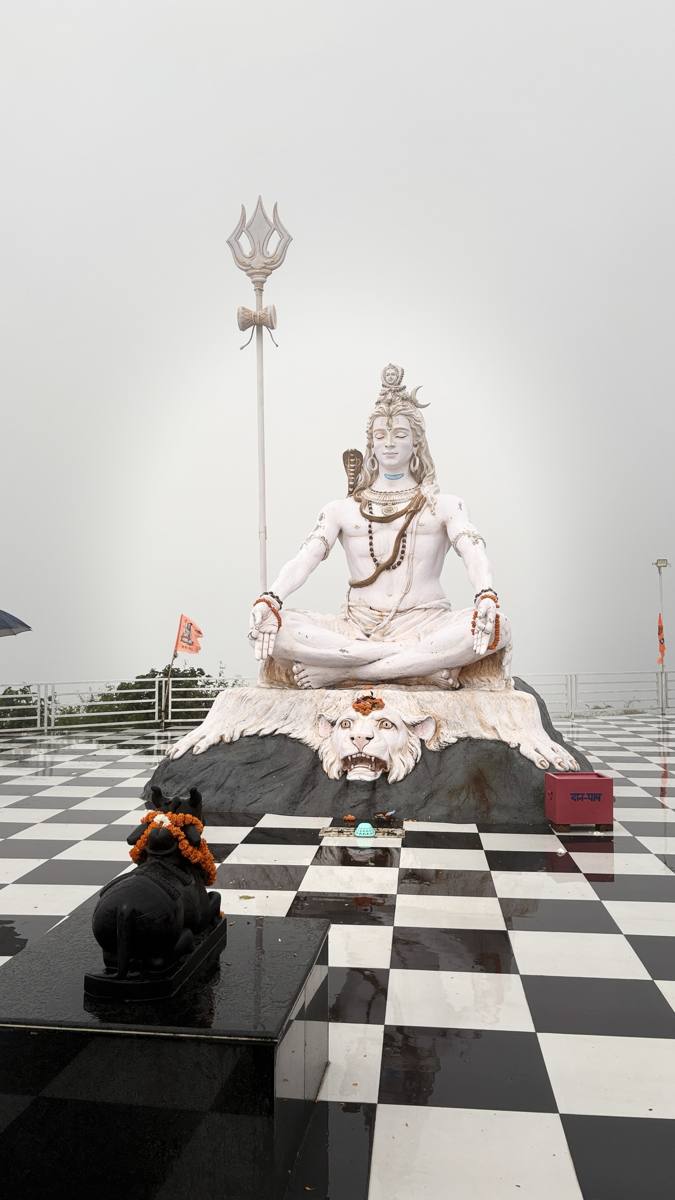
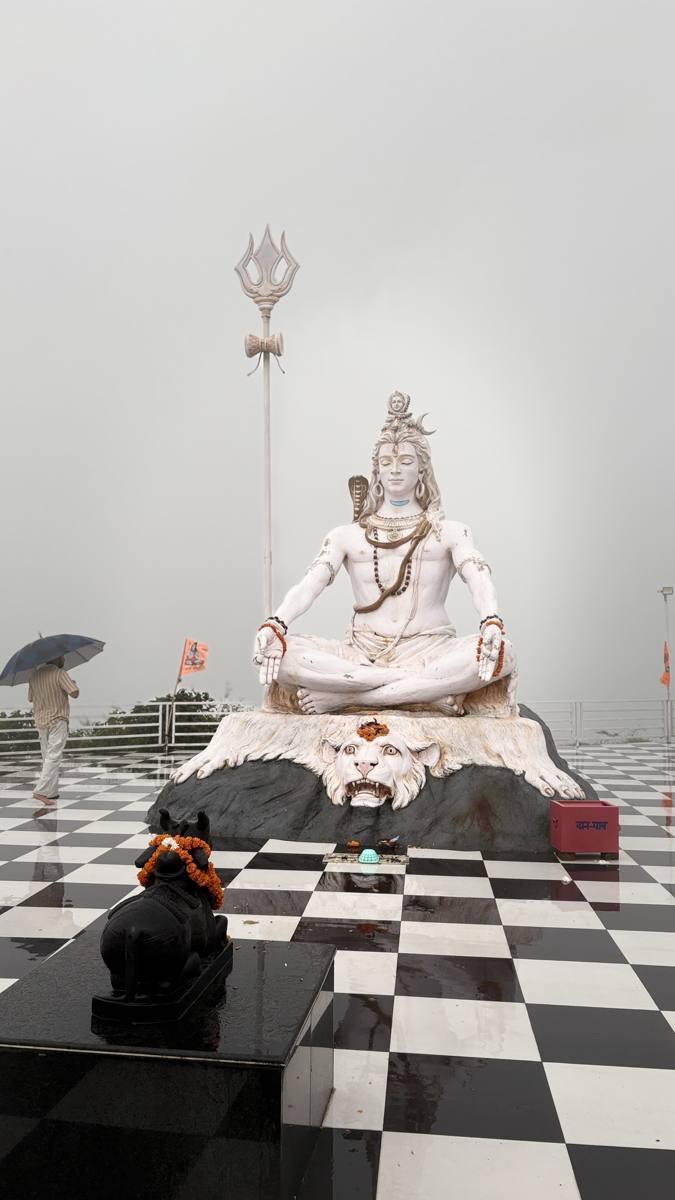
Matogi Shiva Temple statue of Lord Shiva in meditation with Nandi

Matogi Shiva Temple: 9 Shiva Lingas, Stunning Himalayan Views and a 100% Veg Maggi Point

The Matogi Shiva Temple is one of the most striking new spots on the Vikasnagar side of Dehradun. A tall statue of Lord Shiva in deep meditation sits on a hilltop at 1,578 m (5,177 ft), looking out over the lower hills and the snow peaks of the Himalayas. Here is everything you need to plan a visit: the route, parking, the best time to go, and where to grab a hot plate of Maggi after your darshan.

Matogi Shiva Temple Lord Shiva statue in monsoon mist near Dehradun
The Lord Shiva statue at Matogi Shiva Temple on a misty monsoon morning

Where Is the Matogi Shiva Temple?

The Matogi Shiva Temple is at Matogi, a small hill village about 20 km from Langha village and around 35 km from the main Chakrata road, the national highway that also links Dehradun with Chandigarh and Shimla. It is one of the few places worth a dedicated trip on the Vikasnagar side of Dehradun, and makes an easy day outing from the city.

What Makes This Shiva Temple Unique

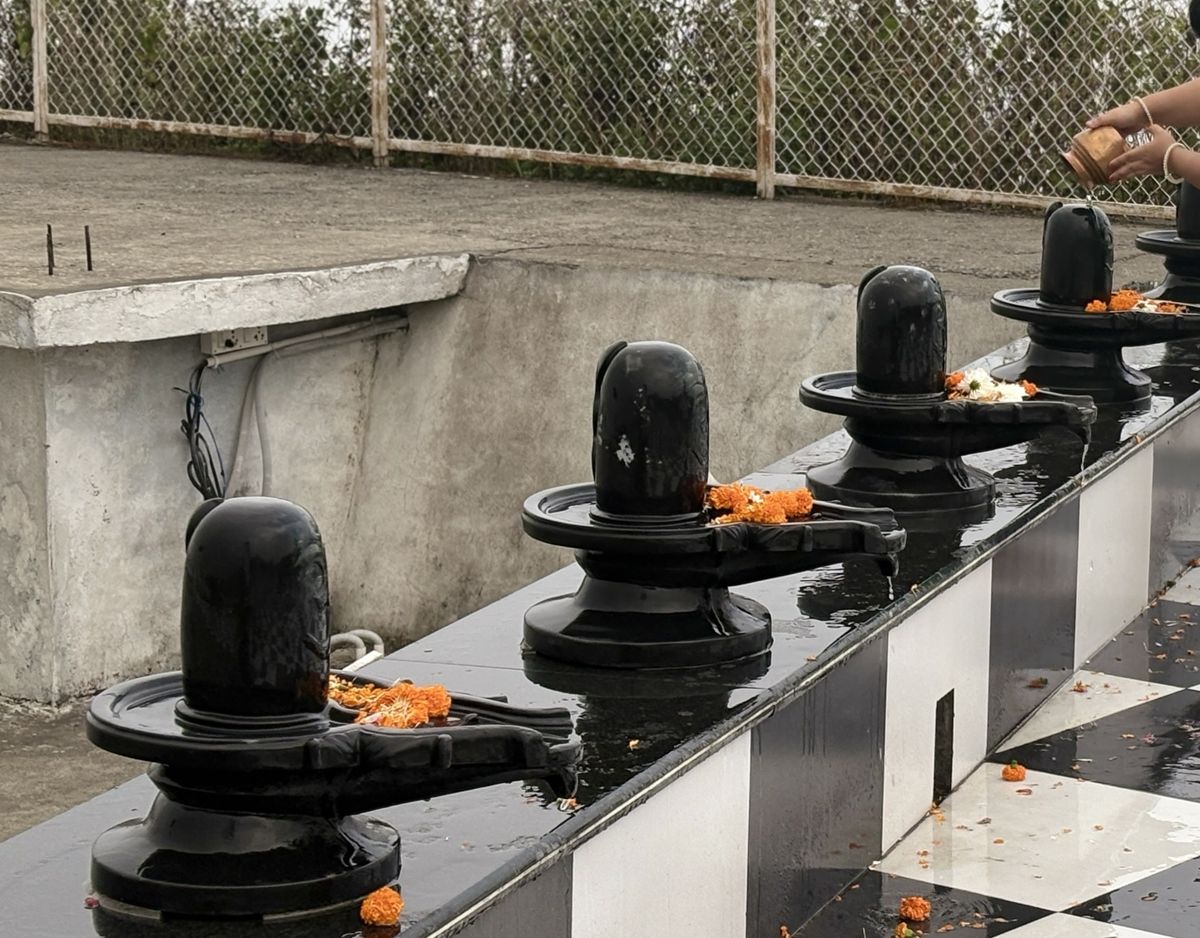
Most temples are built around a main shrine. At Matogi there is no main temple building at all. Instead, a large statue of Lord Shiva doing penance sits in the open, surrounded by 9 small Shiva Lingas. This simple, open-air setting is what makes the place feel special: the sky, the hills and the idol together create a calm, spiritual mood.

Water being offered to the Shiva Lingas at Matogi Shiva Temple
Jal abhishek at the row of Shiva Lingas, Matogi Shiva Temple

The Matogi Shiva Temple is only a few years old. It was developed close to the Anandam Heights resort, and the striking idol has drawn far more visitors to the hill than a resort alone ever could. Today it is popular with young people for photoshoots, while worshippers come for quiet prayer and the view.

How to Reach Matogi Shiva Temple from Dehradun

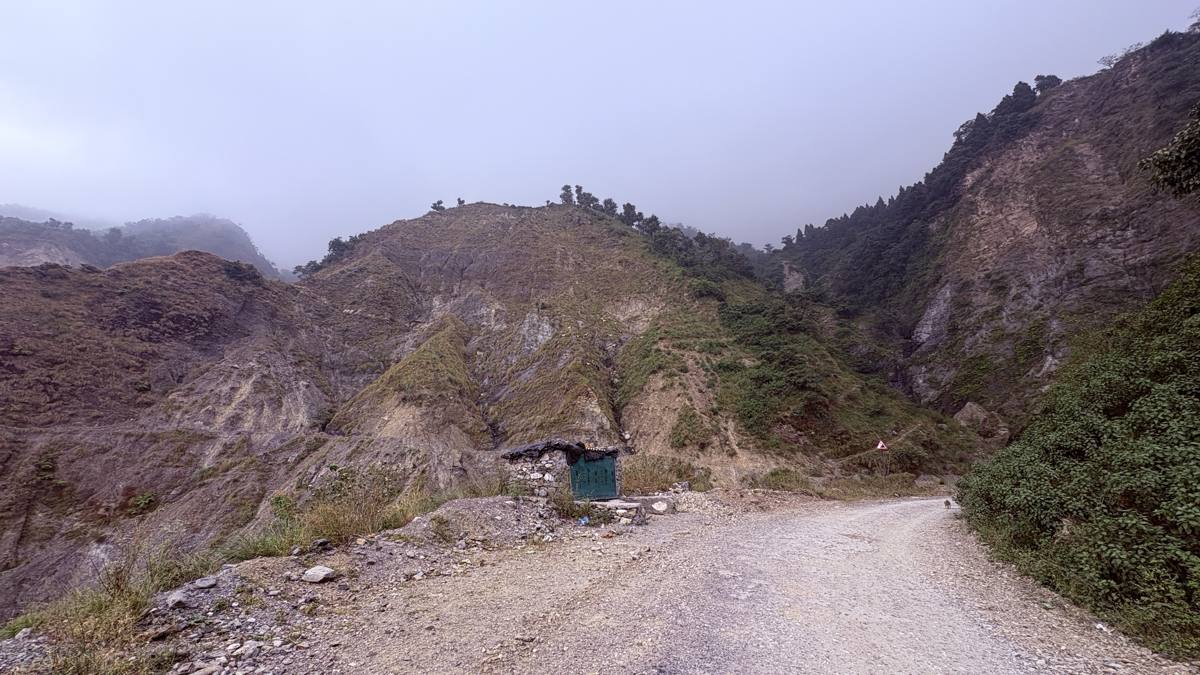
The drive is half the fun. From Langha, the road climbs through the green Binhar forests and passes small hamlets such as Jakhan (Binhar). Expect winding hill roads, fresh air and plenty of spots to stop for photos.

Hill road through the Binhar hills on the way to Matogi Shiva Temple
The road climbs through the Binhar hills towards Matogi
  • Route: Dehradun – Chakrata road – Langha – Binhar forest road – Matogi.
  • Distance: about 20 km from Langha and about 35 km from the main Chakrata highway.
  • Parking: vehicles can go only up to the paid parking area, about 300 m before the Anandam Heights resort. Car parking costs ₹50.
  • Final walk: the last 600 m is a narrow, dusty footpath up to the statue. Wear good shoes and carry water.

Weather and Best Time to Visit

Because the Matogi Shiva Temple sits on top of a hill, it is usually much cooler than Dehradun city, and the summer heat rarely reaches here. That is why crowds are biggest in summer, when families escape the plains for a cool day out. Clear days after the monsoon, from October to December, give the sharpest Himalayan views. Early morning and the hour before sunset are the best times for photos.

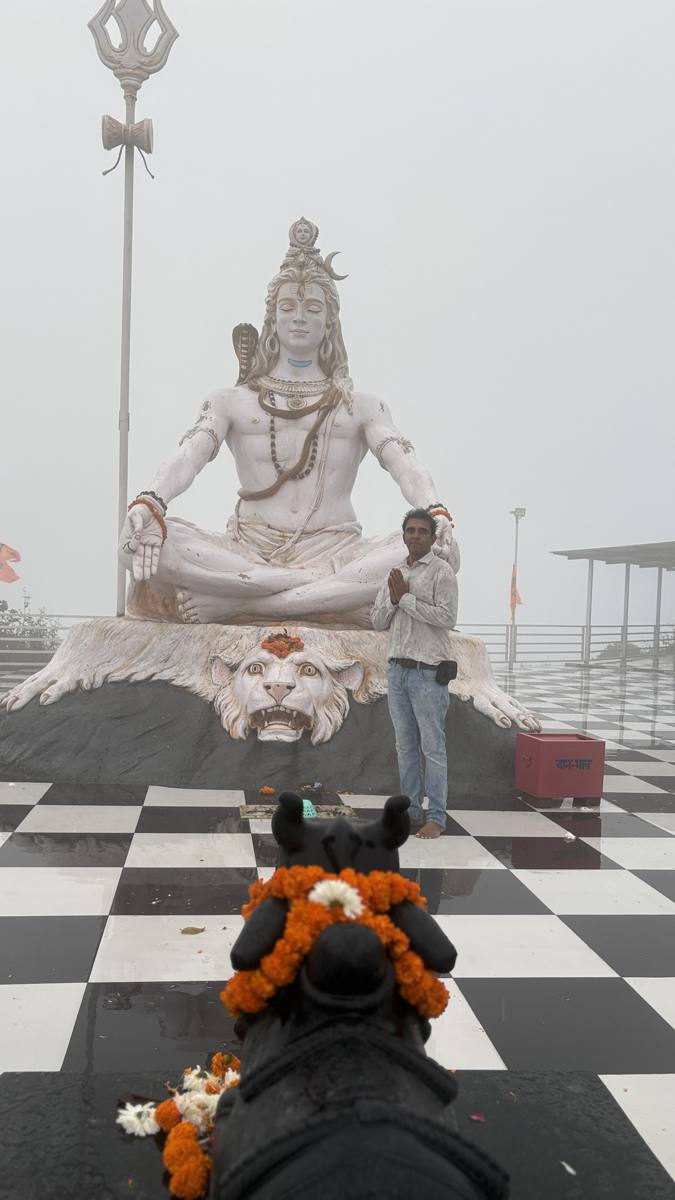
Devotee with folded hands before the Lord Shiva statue at Matogi Shiva Temple
Prayers before Lord Shiva, with Nandi facing the idol

Maggi Point Outside the Temple: Tasty and 100% Veg

Just outside the temple is a popular Maggi point, a favourite stop for devotees and photographers alike. After the walk up and back, nothing beats a steaming bowl of Maggi in the cool hill breeze. The Maggi here is genuinely tasty, and the stall is 100% vegetarian, so pilgrims can eat without any worry. Pair it with a cup of hot chai and enjoy the view before you head back down.

Binhar Forests, Local People and Jaunsari Culture

The forests around Matogi are generally safe, even for trekkers, and the villagers are warm and hospitable. The Binhar area lies close to the Jaunsar-Bawar region of Uttarakhand, so you will notice similar features and traditions, and many locals speak Jaunsari. According to local lore, Jaunsar is the land of the Pandavas and Bawar the land of the Kauravas, which adds a touch of Mahabharata history to the trip.

Where to Stay Near Matogi

Anandam Heights is the closest resort to the Matogi Shiva Temple, but its cottage rents are on the higher side. For a better-value stay with even more picturesque surroundings, consider Naro Eco Resort, set beside the Yamunotri Highway with open lawns and mountain views. It is also a good base if you plan to continue towards the Chardham Yatra.

Travel Tips for Your Visit

  1. Start early to avoid crowds and enjoy the clearest views.
  2. Carry a light jacket: it can be windy and cool on the hilltop even in summer.
  3. Keep cash for parking and the Maggi point; mobile signal can be patchy.
  4. Respect the shrine: remove footwear near the Shiva Lingas and keep the hill clean.
  5. Check road and weather updates on Uttarakhand Tourism during the monsoon.

Love quiet places like this? Read our story on the wonders of nature around Dehradun.

What to Carry for Matogi Shiva Temple

As an Amazon Associate I earn from qualifying purchases.

Matogi Shiva Temple: Frequently Asked Questions

How high is the Matogi Shiva Temple?

The Shiva idol stands at about 1,578 m (5,177 ft) above sea level.

Can cars reach the Matogi Shiva Temple?

Cars can go up to a paid parking area (₹50) about 300 m before Anandam Heights. From there it is a walk of about 600 m to the statue.

Is there food near the temple?

Yes. A Maggi point just outside the temple serves tasty, 100% vegetarian Maggi and tea.

Is the Matogi Shiva Temple worth visiting?

Absolutely. With its open-air Shiva statue, 9 Shiva Lingas and wide Himalayan views, it is a top spot for both bhakti and photography, and one of the must-visit places on the Vikasnagar side of Dehradun.

Trip to Paithani Rahu Temple : A Journey Through the Himalayas

The Paithani Rahu Temple in Pauri Garhwal is one of the very few temples in India dedicated to Rahu. Here is our one-day road trip from Dehradun, with the route, timings and honest tips for your own visit.

Trip to Paithani Rahu Temple : A Journey Through the Himalayas

Trip to Paithani (Garhwal)
Last week, my mother, brother, Yolo (our Labrador), and I embarked on a trip to Paithani in our car. Paithani is famous for its ancient ‘Rahu’ temple, nestled in the midst of the majestic Himalayan mountains. The journey was exhilarating, as we passed through ancient towns and villages, soaking in the serene beauty of the region.

Start

We started our journey just before 10:00 AM from our home on the outskirts of Dehradun, carrying a packed lunch for all of us. By around 1:00 PM, we reached Rishikesh, the ancient city and yoga capital of the world. From here, the road ascends into the higher Himalayas. The picturesque journey was breathtaking, with the mighty Ganga River flowing alongside the highway. Our journey followed the river upstream.
Before reaching Byasi, my mother and I treated ourselves to kulfi. Yolo, our adorable Labrador, always gazes at me longingly whenever I eat something, as if he’s missing out on a tasty treat—so, of course, I shared a bit of my kulfi with him.

 Trip to Paithani Rahu Temple : Midway

As we captured the beauty of the Himalayan roads on my iPhone, we decided to stop near Shivpuri, a village famous for its world-renowned white-water rafting. We unpacked our lunch and enjoyed the scenic surroundings. Before resuming our journey, we took Yolo for a short walk, as he tends to feel uncomfortable after sitting for long hours in the car.
Our route took us through Devprayag, the lowest of the five ‘Prayags’ (sacred river confluences), where the Bhagirathi and Alaknanda Rivers merge to form the Ganga. Upstream, the river is called ‘Bhagirathi’ when flowing from Gaumukh and Gangotri until Devprayag, while the river flowing down from Badrinath is known as ‘Alaknanda.’
From Devprayag, we took a right turn from the Badrinath Highway to head toward Pauri (5,951 ft). The road to Pauri winds through pine-covered forests, offering mesmerizing views of the snow-capped Himalayan peaks. The region is sparsely populated, and the well-maintained roads make for a pleasant drive.

Trip to Paithani Rahu Temple

Paithani

Located at an altitude of 1,503 ft, Paithani lies in a valley. After passing through Pauri and Paubo, we reached Paithani around 7:45 PM. By then, most of the market had closed, and villagers were retiring for the night. Finding a suitable hotel was challenging, as two out of the three available hotels refused to accommodate Yolo. Left with no choice, we settled for the third option, which, like the others, was quite basic.
Paithani is known for frequent leopard sightings at night. Villagers go to bed early due to the fear of these predators, which often come near the village in search of small animals and calves. Occasionally, even Himalayan black bears descend from the higher mountains. Given the lack of good accommodations in Paithani, it is advisable to stay 4 km before the village, where a better hotel is available near a petrol pump.
Unfortunately, Paithani village itself is quite unclean, with garbage strewn across its streets. The village head should take urgent action to maintain cleanliness, especially since Paithani also serves as a market hub for smaller surrounding villages. However, the temple area was relatively clean.
The Rahu Temple is located across a bridge. According to legend, Adi Shankaracharya, the great spiritual guru of the 8th century, sensed strong Rahu vibrations while passing through Paithani on his way to Badrinath. He discovered a sacred rock in the river beside the Lord Shiva temple, which is now revered as the Rahu temple. The Rahu rock is massive, and devotees light 18 earthen oil lamps here to seek relief from Rahu’s influence. This tradition has been followed for over 1,200 years. Ideal place for Rahu Shanti. 
After offering our prayers, we returned to our car for the journey back.

One of the most disturbing things we learned from the villagers was that there were no dogs left in Paithani. Every single dog in the village had been killed and eaten by leopards. The villagers spoke about it with an almost casual acceptance, even saying that it was good because the barking of dogs at night was irritating. I was completely taken aback by this attitude. Dogs are our most faithful companions, always standing by humans with unconditional love.

Yet here, these people seemed to favor the predators over their own loyal protectors.
It was disheartening to hear them justify this, as if the presence of leopards was more natural and acceptable than having dogs in their village. I couldn’t help but think—if it were their human loved ones being hunted, would they still speak this way? Would they still dismiss the loss so casually? It felt cold-hearted and deeply unsettling. Looking at Yolo, I felt even more grateful for his presence, knowing how much love and loyalty he brings into our lives.

Pauri

On our way back, we took a brief stop at the Pauri Cantonment bypass to take in the stunning views and click a few pictures near the ancient Kandoliya Temple. The town of Pauri, from the outside, appears well-maintained and clean. Along the way, I collected some pine cones as souvenirs.

Devprayag

We were well past lunchtime by the time we found a place to eat. Surprisingly, despite Garhwal Himalayas being known as Devbhoomi (God’s Land), most of the eateries along the route served non-vegetarian food.

Only along the Chardham Highway—which connects Rishikesh to the sacred shrines of Badrinath and Kedarnath—did we find an abundance of vegetarian restaurants.
At the Dhaba (Restaurant) where we stopped, the owner was so impressed by Yolo’s gentle behavior that he asked if Yolo had fathered any puppies, as he wished to adopt one. This made us feel even prouder of our adorable companion!

Return

Driving in the hills requires caution, so I maintained a steady speed.

We reached home around 11:00 PM, ending our short yet fulfilling pilgrimage. After a light meal, we finally rested.
Despite the challenging terrain, our Skoda performed remarkably well, delivering an impressive fuel average of 18.9 kmpl—even after multiple uphill and downhill stretches.
Above all, my mother was delighted to have had the Rahu darshan, which was the primary reason for our trip. Seeing her happy made the journey all the more meaningful.

———————————————————————————————–

Would I visit Paithani again? Probably not. The temple was interesting, but the village itself needs serious improvement. The lack of cleanliness, limited accommodation options, and eerie silence at night weren’t exactly inviting.

But would I go on another Himalayan road trip? Absolutely!

The drive through Devprayag, the quiet roads near Pauri, and even the little moments—like sharing kulfi with Yolo—made this trip truly special.


Paithani Rahu Temple

Paithani Rahu Temple: Quick Travel Guide

  • Route: Dehradun – Rishikesh – Shivpuri – Devprayag – Pauri – Paithani.
  • Driving time: about 9–10 hours one way with stops; start early.
  • Where to stay: basic hotels only; the better option is about 4 km before the village near the petrol pump. Pet owners should call ahead.
  • Ritual: devotees light 18 earthen oil lamps at the Rahu rock for Rahu Shanti.
  • Food: vegetarian dhabas are easiest to find on the Char Dham highway.

Plan your drive with the Uttarakhand Tourism website, and read our Chardham Yatra guide if you want to continue towards Badrinath.

Road Trip Essentials for Paithani

As an Amazon Associate I earn from qualifying purchases.

Paithani Rahu Temple: Frequently Asked Questions

Where is the Paithani Rahu Temple?

It is in Paithani village in Pauri Garhwal district, Uttarakhand, across a bridge beside an ancient Shiva temple.

What is the legend of the Paithani Rahu Temple?

Local belief says Adi Shankaracharya sensed strong Rahu vibrations here on his way to Badrinath and identified the sacred rock that is worshipped today.

Can you visit the Paithani Rahu Temple in one day from Dehradun?

Yes, but it is a long drive. Leave by early morning, or stay overnight near Paithani to enjoy the journey without rushing.

Exploring the Char Dham Yatra: A Spiritual Journey Like No Other.

The Chardham Yatra takes pilgrims to Yamunotri, Gangotri, Kedarnath and Badrinath, four sacred shrines high in the Uttarakhand Himalayas.

Exploring the Chardham Yatra.

Welcome to Dehraduni.com guide on the Char Dham Yatra, a divine pilgrimage in the heart of the majestic Himalayas. In this article, we will take you on an awe-inspiring journey, providing you with all the essential information you need to embark on this sacred expedition. From the significance of the Char Dham Yatra to the best time to visit, we have got you covered. So, let’s begin this soul-stirring adventure! Exploring the Chardham Yatra.

The Significance of Char Dham Yatra

The Char Dham Yatra, which translates to “the journey to the four abodes,” is a revered pilgrimage for Hindus. It encompasses four sacred sites, namely Yamunotri, Gangotri, Kedarnath, and Badrinath, each associated with different deities. Undertaking this spiritual sojourn is believed to cleanse one’s sins, attain spiritual enlightenment, and seek the blessings of the divine.

Yamunotri: Gateway to the Sacred Yamuna River


Nestled in the Garhwal Himalayas of Uttarakhand, Yamunotri is the starting point of the Char Dham Yatra. Situated at an elevation of 3,293 meters, it is here that the pious Yamuna River originates from the Yamunotri Glacier. Pilgrims visit the revered Yamunotri Temple, dedicated to Goddess Yamuna, and take a dip in the holy thermal springs of Surya Kund. Exploring the Chardham Yatra.

Gangotri: The Abode of the Sacred Ganga River

Our next stop is Gangotri, nestled in the Uttarkashi district of Uttarakhand at an elevation of 3,100 meters. Revered as the origin of the holy Ganga River, Gangotri holds deep spiritual significance. The river here is known as the Bhagirathi, which flows down from Gaumukh—a glacier located several kilometers uphill, accessible only by a challenging trek.

While Gaumukh marks the true source, most pilgrims end their journey at Gangotri itself. At the heart of this sacred town stands the Gangotri Temple, where devotees gather to offer prayers as the river emerges in a powerful yet serene cascade. Surrounded by majestic Himalayan peaks and imbued with a deep sense of divinity, Gangotri leaves a lasting impression on all who visit.

Exploring the Chardham Yatra.

Kedarnath: Seeking the Blessings of Lord Shiva

As we progress on our pilgrimage, we reach the sacred town of Kedarnath, situated in the Rudraprayag district of Uttarakhand. Perched at an altitude of 3,583 meters, this divine destination is dedicated to Lord Shiva. The Kedarnath Temple, one of the twelve Jyotirlingas, is a marvel of ancient architecture and draws devotees from far and wide. Surrounded by snow-capped peaks, Kedarnath offers a serene and spiritual retreat amidst the lap of nature.

Badrinath: The Final Stop of Divine Grace

Our journey culminates in Badrinath, the holiest of the Char Dhams, located in the Chamoli district of Uttarakhand. Revered as the abode of Lord Vishnu, Badrinath is situated at an elevation of 3,133 meters. The Badrinath Temple, a masterpiece of religious architecture, stands as a testament to the devotion and faith of millions of pilgrims. The tranquil surroundings and the mesmerizing Alaknanda River flowing nearby add to the ethereal charm of this sacred site. Exploring the Chardham Yatra.

The Best Time to Embark on Char Dham Yatra

The Char Dham Yatra is generally undertaken during the summer months, from April to June, and during the autumn season, from September to November. These periods offer pleasant weather, allowing pilgrims to traverse the mountainous terrain with relative ease. It is advisable to avoid the monsoon season due to heavy rainfall and the winter season due to extreme cold and heavy snowfall.

Planning Your Char Dham Yatra

When planning your Char Dham Yatra, it is essential to make necessary arrangements to ensure a smooth and hassle-free journey. Here are a few tips to help you plan your pilgrimage effectively:

  1. Research and Prepare:Gather detailed information about the pilgrimage, including travel routes, weather conditions, and accommodation options.
  2. Pack Wisely:Pack warm clothing, comfortable footwear, essential medicines, and other necessary items for your journey. It is advisable to carry a first aid kit and maintain proper hydration throughout the trip.
  3. Book Accommodation in Advance:Exploring the Chardham Yatra. attracts a significant number of devotees, it is crucial to book your accommodation well in advance to avoid any last-minute hassles.
  4. Seek Local Guidance:Interact with locals and seek their guidance during your pilgrimage. They can provide valuable insights into the region, help you navigate challenging terrains, and enhance your overall experience.
  5. Respect the Environment:The Char Dham Yatra takes you through ecologically fragile areas. It is essential to respect the environment, avoid littering, and follow sustainable practices to preserve the pristine beauty of the Himalayas.

Conclusion

Embarking on the Char Dham Yatra is an extraordinary spiritual endeavor that offers a profound connection with nature, divinity, and one’s inner self. From the serene Yamunotri to the majestic Badrinath, each destination holds its own charm and significance. As you undertake this sacred journey, let your heart be filled with devotion, your mind be immersed in tranquility, and your soul be uplifted by the divine grace that permeates the Himalayan valleys.


Chardham Yatra
Chardham Yatra

Chardham Yatra Route from Dehradun

The traditional order is Yamunotri, Gangotri, Kedarnath and then Badrinath. From Dehradun most pilgrims drive via Mussoorie or Vikasnagar towards Barkot for Yamunotri, then to Uttarkashi for Gangotri, on to Guptkashi and Sonprayag for Kedarnath, and finally to Joshimath and Badrinath.

Chardham Yatra Essentials

  • Season: the shrines usually open from late April or May and close around Diwali.
  • Registration: online registration is mandatory for pilgrims.
  • Time needed: plan 10–12 days by road.
  • Pack: warm layers, rain gear, good shoes and basic medicines.
  • Stay: book ahead in peak months; Naro Eco Resort on the Yamunotri highway is a peaceful stop near Dehradun.

Register and check updates on the official Uttarakhand pilgrim registration portal.

Also read our Paithani Rahu Temple road trip.

Chardham Yatra Packing Essentials

As an Amazon Associate I earn from qualifying purchases.

Chardham Yatra: FAQs

What is the best time for the Chardham Yatra?

May to June and September to October, avoiding the heaviest monsoon weeks.

Is registration required for the Chardham Yatra?

Yes, every pilgrim must register on the Uttarakhand government portal before travelling.

How many days does the Chardham Yatra take?

About 10–12 days by road from Dehradun or Haridwar; helicopter packages are shorter.

local links

Events Paradise in Dehradun

events paradise in Dehradun

Searching for an events paradise in Dehradun? Naro Eco Resort, set against the lower Himalayas near Dehradun, is a beautiful and budget-friendly choice for weddings and celebrations.

Events Paradise in Dehradun: Naro Eco Resort – The Perfect Destination Wedding Venue

Naro Eco Resort stands as an ideal destination for weddings in and around Dehradun. Its breathtaking location surpasses that of any other wedding venue, offering a budget-friendly option without compromising on quality. Situated amidst the lower Himalayan mountain range, the resort provides a stunning panoramic view of Chakrata hill station, the pristine Badhraj temple, untouched reserved forests, the Yamunotri national highway, and a tributary of the Yamuna river flowing below. The resort is meticulously maintained and strictly adheres to the COVID protocols issued by the state government, ensuring a safe and enjoyable experience.

The independent cottages and Naro restaurant within the resort are constructed using bamboo, providing a natural and eco-friendly ambiance. The Naro restaurant serves a delectable range of North Indian, Continental, and Chinese cuisine. The experienced chefs, who have previously worked in renowned 7-star hotels in the Middle East, are dedicated to meeting the increasing demands of functions, weddings, and events hosted at Naro Eco Resort. The resort is truly a paradise for events and is unrivaled as a wedding location in Dehradun.

With a professional team of event managers and wedding planners, Naro Eco Resort offers valuable assistance to ensure your big day is flawlessly executed. The team brings international experience from their previous work in the Middle East hospitality industry. If you are seeking a budget-friendly venue for hosting weddings, events, and parties, Naro Eco Resort near Chiliyon village, close to Parashurama temple, near Vikasnagar in Dehradun, is the ultimate choice.

To receive a personalized quote based on your requirements, you can visit their website, contact them directly, or reach out via WhatsApp. The best events paradise in Dehradun is conveniently located approximately 40 kilometers from the city limits. Have questions about rooms, wedding packages or function charges? Ask Naro Surya, the full AI help chat on naroeco.com, in English, Hindi or Hinglish, any time of day.

Events Paradise in Dehradun: 5 Reasons to Book Naro Eco Resort

  1. Himalayan views of the Chakrata hills for every ceremony and photo.
  2. Budget-friendly packages compared with city banquet halls.
  3. Eco-friendly setting with open lawns and fresh mountain air.
  4. Easy access from Dehradun on the Yamunotri route.
  5. Help on chat: ask Naro Surya on the resort website for dates, rooms and event planning.

Visit Naro Eco Resort for bookings, and read our Chardham Yatra guide if your guests want to explore.

Events Paradise in Dehradun: FAQs

Can Naro Eco Resort host destination weddings?

Yes, it hosts weddings, family functions and corporate retreats with stay options for guests.

How far is Naro Eco Resort from Dehradun?

It lies on the Yamunotri highway side near Dehradun; ask Naro Surya on the website for exact directions.

local links

Lockdown Freedom

lockdown freedom

Lockdown freedom means staying safe without feeling trapped. During restrictions, a quiet resort in the hills can be safer and far happier than four walls at home.

Why get stuck at your home when there is a lockdown, the government wants us to be in a safe place without contracting the coronavirus, but that can also be in a lot safer place than our homes. Have you ever thought of going on an extended lockdown holiday when the lockdown starts? If yes, one should consider moving out instead of getting bored at home, move out with your family, and spend few weeks in a resort for your mental well-being. There is no point in brooding on the government’s decision to impose a lockdown when it is beyond us, we can take the lockdown as a window to re-discover ourselves, our families, and even work from our laptops in a serene atmosphere. 

Naro Eco Resort is in a covid-free zone, near Vikasnagar, Dehradun on the way to Yamunotri Dham has started an awesome scheme for the people/families stuck in lockdowns. Many want to get out of their homes and enjoy their lockdown period in a safe resort instead of getting suffocated in their homes for the entire period of a lockdown. Nobody wants a repeat of lockdown in last year when there was no movement and only frustration of being inside homes forcibly. This time lockdowns are a bit liberal, one can drive out if one is traveling before the daily allowed time. The scheme (freedom offer) offers bored families an opportunity to convert boring life at home to a holiday in the Himalayas. 

Naro Eco Resort offers a picturesque view, on one side there is a tributary to the Yamuna river with the great Himalayan backdrop, on the other side there is a reserved forest with the highway. They have slashed their room rents to accommodate guests for a longer duration this lockdown period. Slashing room rents does not mean slashing quality service, they are maintaining their standards befitting the online reviews they gained before the lockdown started. 

Naro Eco Resort is the ideal spot for spending some quality time with families, vast space, the distance between cottages, an open-air restaurant, and a large banquet hall cum restaurant, and well-maintained bamboo cottages to name a few. Their lockdown freedom offer starts at a meager ₹3,999 (US$59), three (3) days stay for a couple. If you want to take this opportunity, you should visit their website and book a (3 to 15 days) package online suiting your needs. 

Lockdown Freedom: 5 Reasons to Choose a Hill Resort

  1. Fresh air and open space with far fewer people around.
  2. Room to walk, exercise and let children play.
  3. Home-style food without daily grocery runs.
  4. Reliable Wi-Fi for remote work and online classes.
  5. Better sleep and less stress in natural surroundings.

Always follow official advisories from the Ministry of Health. For a quiet stay near Dehradun, see Naro Eco Resort.

Lockdown Freedom: FAQs

Is a resort stay safe during a lockdown?

Only when travel is permitted and the resort follows local health rules; always check advisories first.