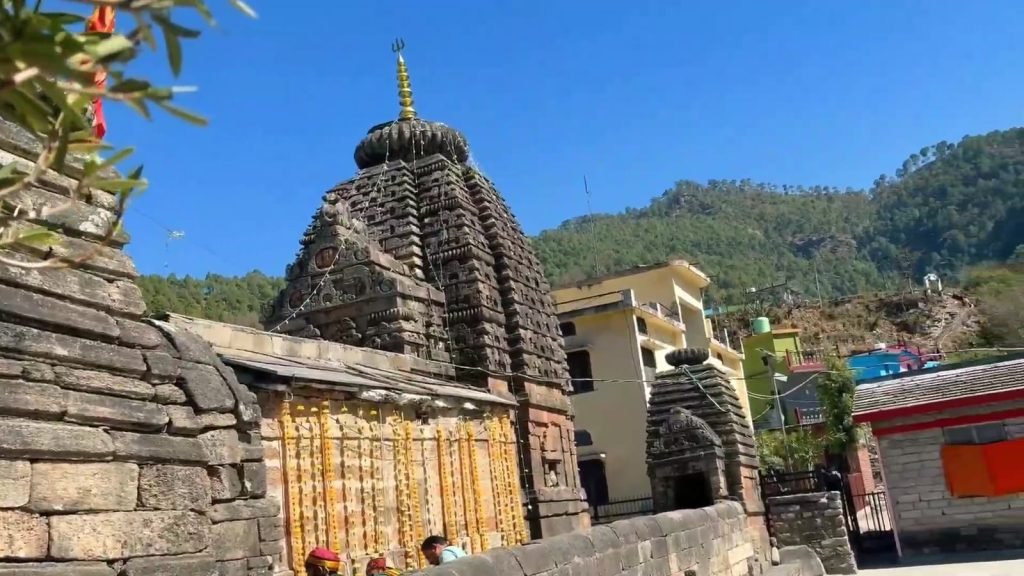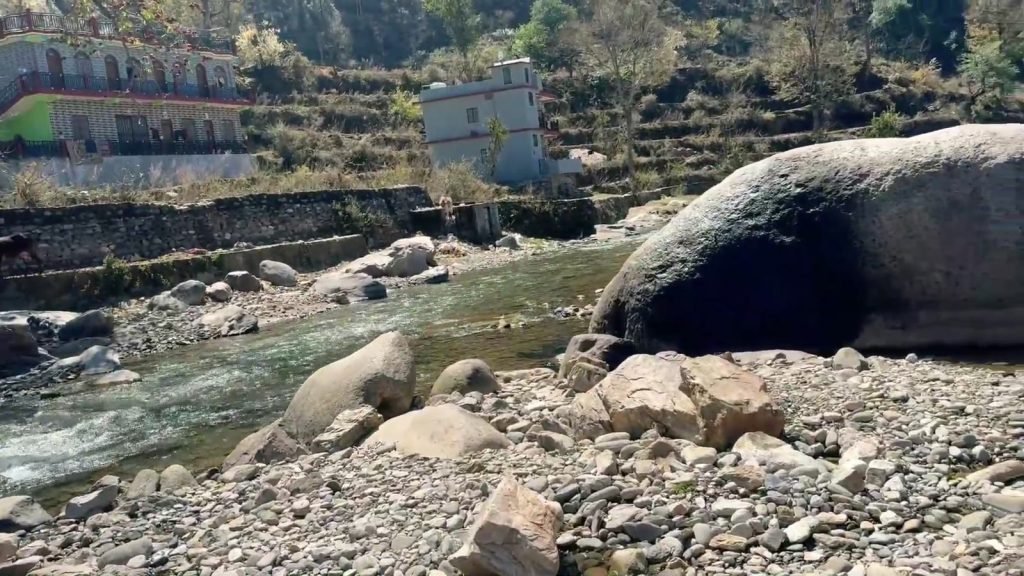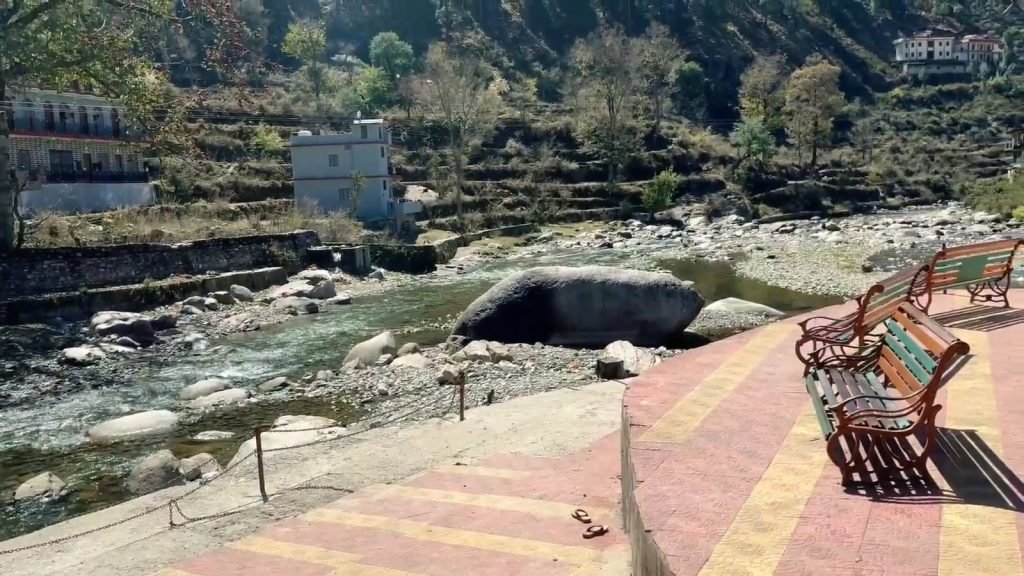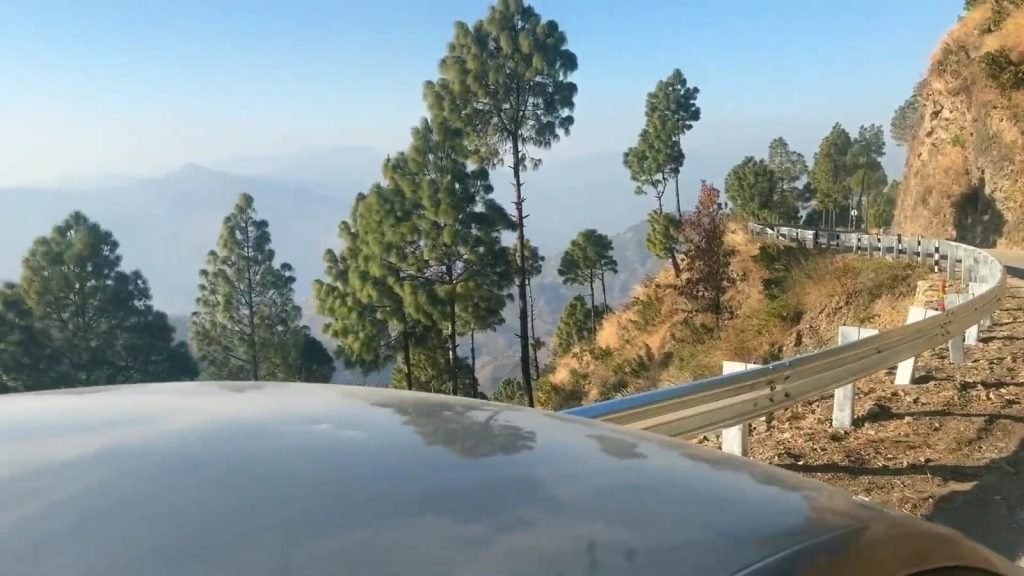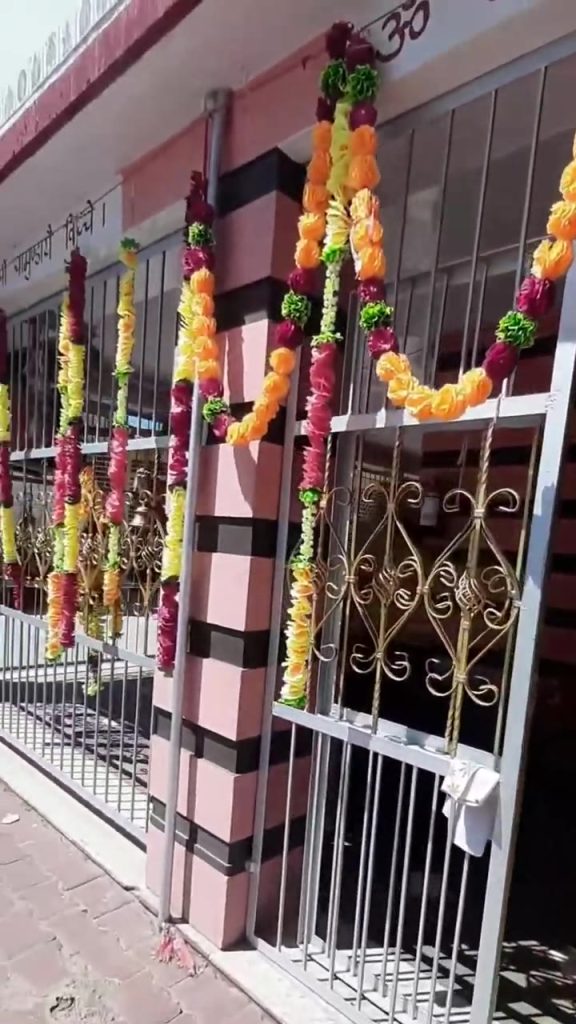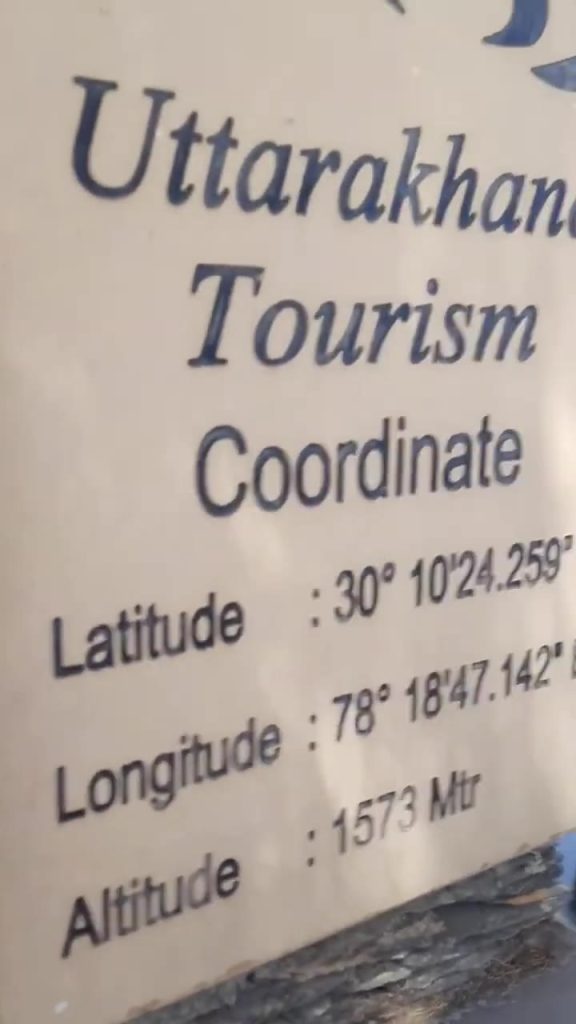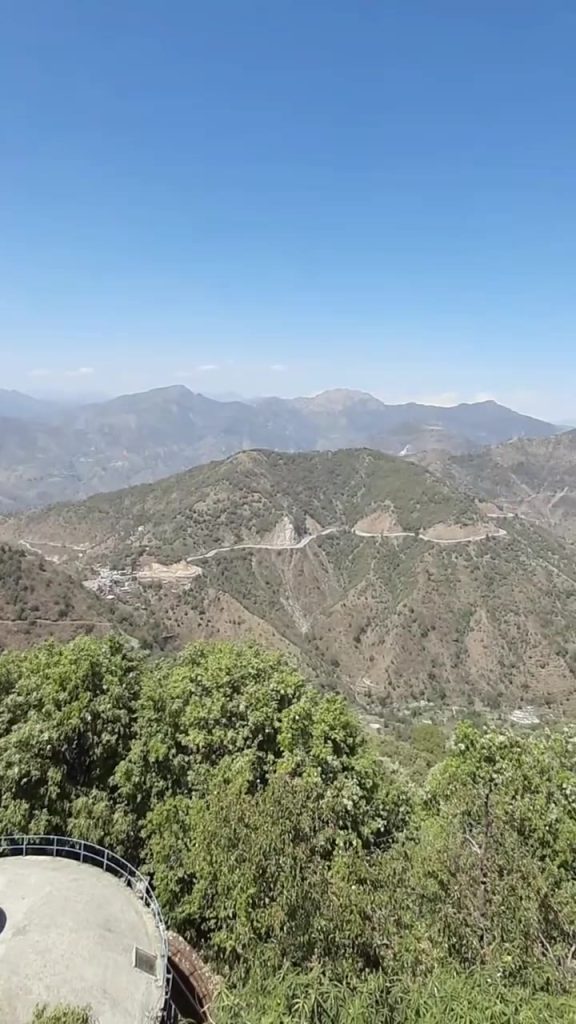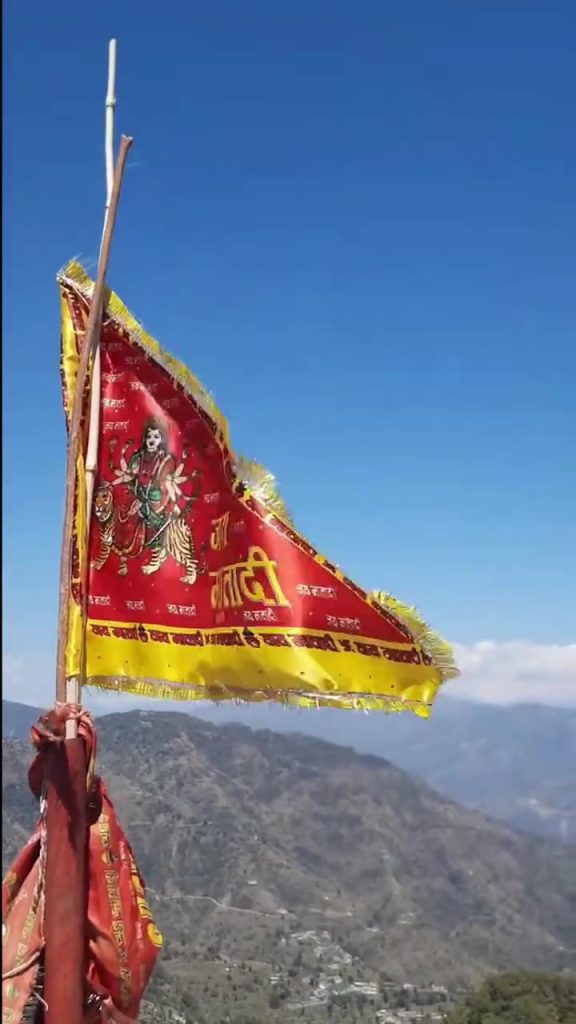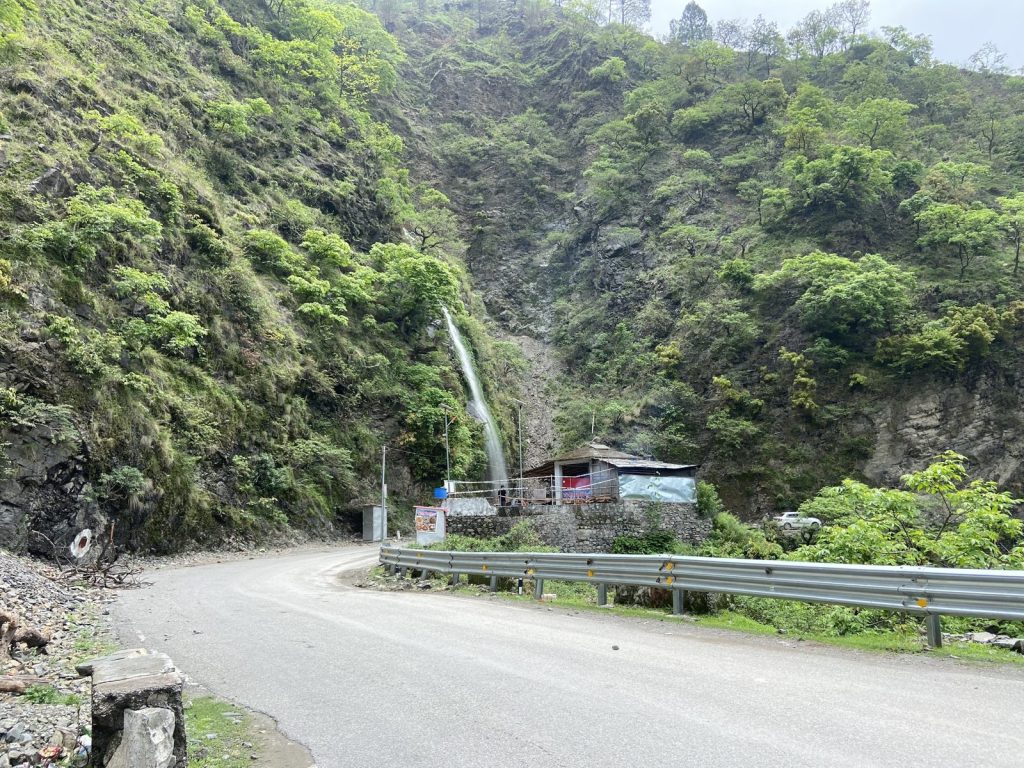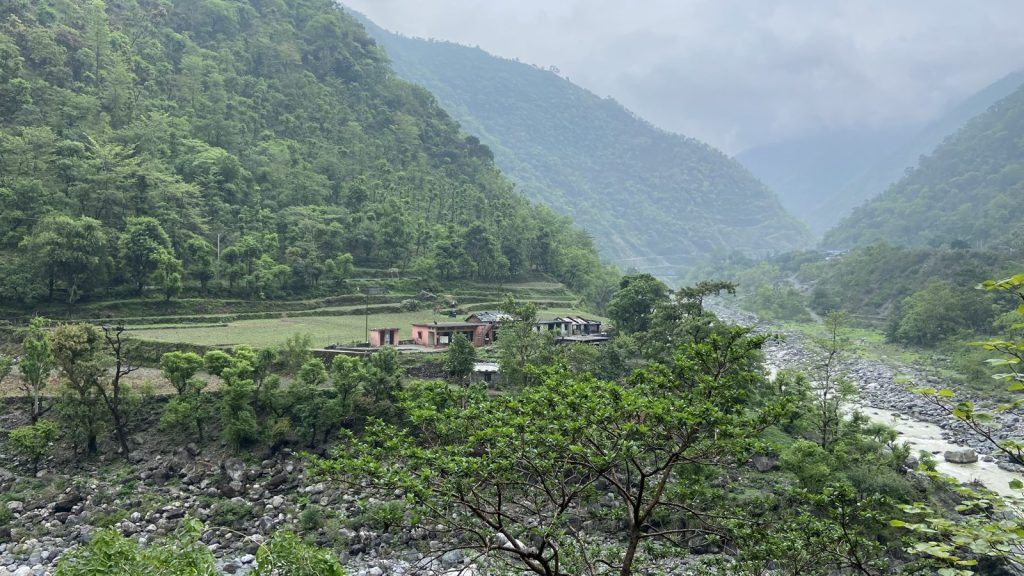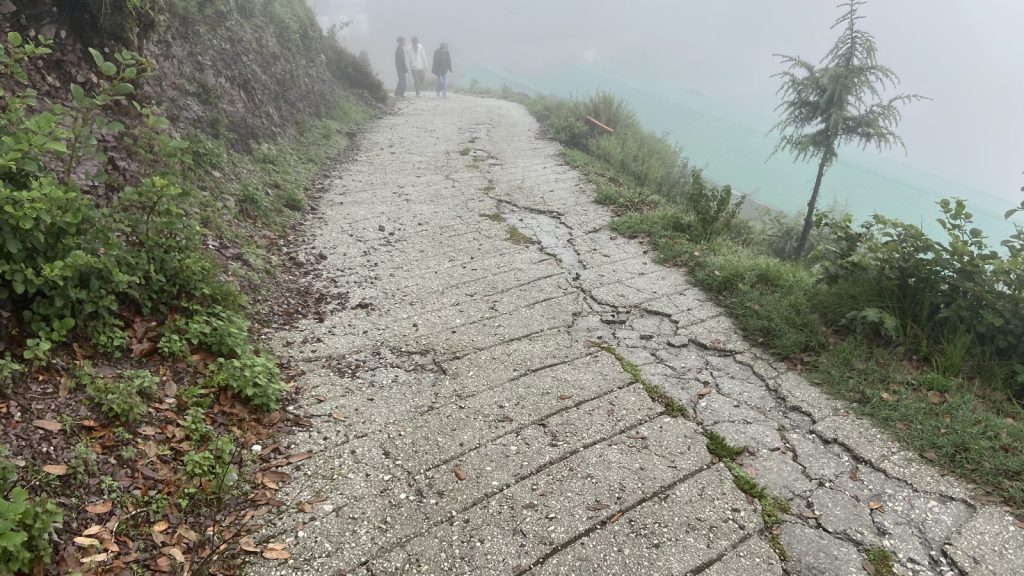

trek route

Category: Dehradun & Uttarakhand

Life in Dehradun and Uttarakhand: local guides, nature, property, events and trusted local businesses in the Doon Valley.

Surkanda Devi Temple guide: route from Dehradun, ropeway and trek

Surkanda Devi Temple: How to Reach from Dehradun, Ropeway, Trek & Best Time

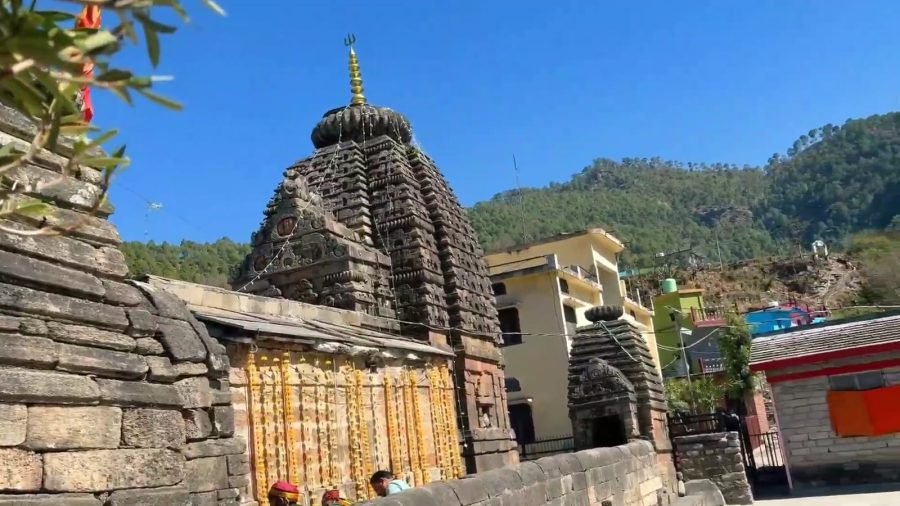
Surkanda Devi Temple is a Shakti Peeth on a 2,756 m ridge above Kaddukhal, just past Dhanaulti in Tehri Garhwal. It is one of the highest temples you can reach in a day from Dehradun, and on a clear morning the view runs all the way to the snow peaks of the Garhwal Himalaya. We drove up in November 2026 with our Labrador Yolo. Here is everything you need: the route from Dehradun, the ropeway and trek, ticket prices, the legend, the best time to go and what to carry.
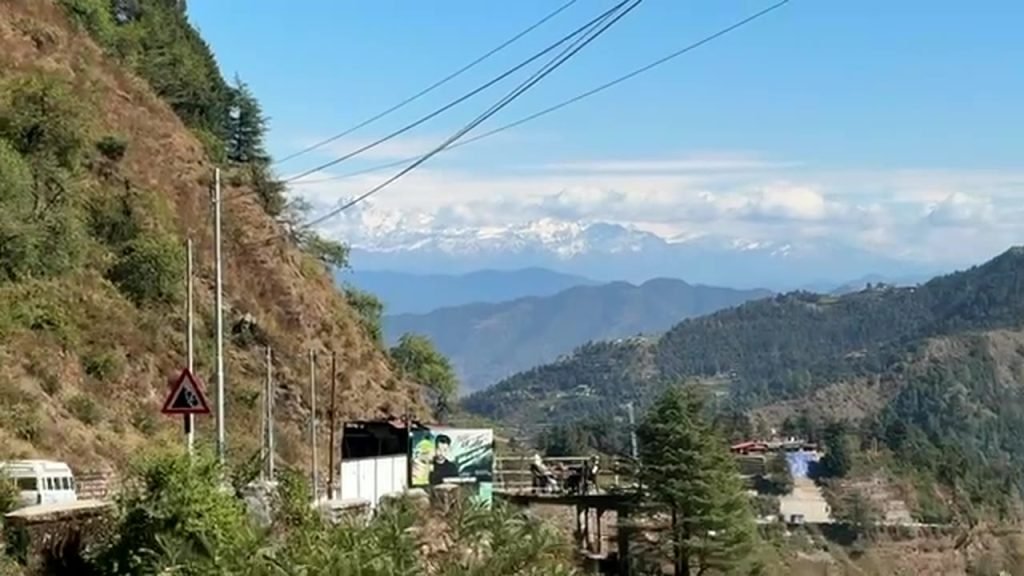
Snow peaks seen from the road to Surkanda Devi Temple near Dhanaulti
On the road to Surkanda Devi: the first view of the snow peaks

Surkanda Devi Temple at a Glance

  • Location: Above Kaddukhal village, near Dhanaulti, Tehri Garhwal district, Uttarakhand
  • Altitude: About 2,756 m (9,042 ft)
  • Distance from Dehradun: About 66 km via Mussoorie (2.5 to 3 hours by car, per Google Maps)
  • Distance from Dhanaulti: About 8 km to Kaddukhal
  • Way up: 1.5 km steep trek, or the Surkanda Devi ropeway (about 800 m, 5 to 7 minutes)
  • Ropeway fare: About ₹110 one way, ₹220 return (Adult); cash only
  • Best time: March to June and September to November
  • Known for: One of the 51 Shakti Peeths; views of Bandarpunch, Swargarohini, Chaukhamba and the Kedarnath peaks

The Legend of Surkanda Devi

Surkanda Devi is one of the 51 Shakti Peeths. When Goddess Sati gave up her life at her father Daksha’s yajna, Lord Shiva carried her body across the Himalaya, and wherever a part of her body fell, a Shakti Peeth arose. At this ridge it is believed that her head (Sir) fell, which is why the place came to be called Sir-khanda and, over time, Surkanda. Together with Kunjapuri and Chandrabadni, Surkanda Devi forms a sacred triangle of Shakti Peeths in Tehri Garhwal. Read about the second of the three in our Kunjapuri Temple guide.

How to Reach Surkanda Devi Temple from Dehradun

The whole drive is about 66 km from the Clock Tower in Dehradun, and Google Maps puts it at 2.5 to 3 hours. Mountain traffic around Mussoorie on weekends can add an hour, so start early.

Step 1: Dehradun to Mussoorie

Take the Mussoorie road out of Dehradun. It climbs quickly through hairpin bends with wide views over the Doon valley. Keep your speed low on the curves; the speed limits on these hill roads are strict for a reason. Along the way you will pass a small waterfall right next to the road.
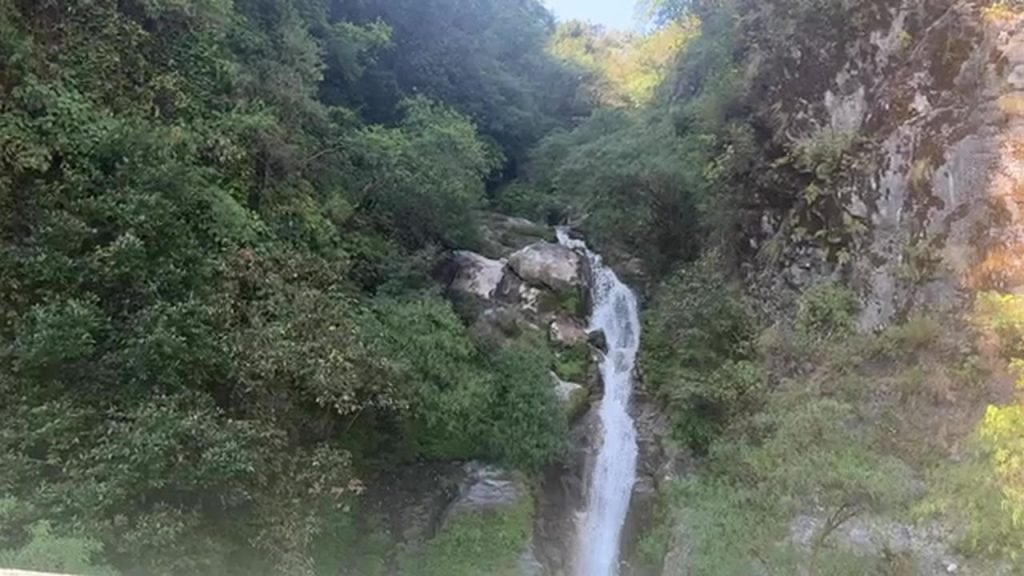
Small waterfall beside the road on the way from Dehradun to Surkanda Devi
A waterfall right by the road

Step 2: Mussoorie to Dhanaulti via Suwakholi

From Mussoorie, follow the signs towards Suwakholi. At the junction marked Mussoorie and Kempty to the left and Dhanaulti and Chamba to the right, keep right for Dhanaulti. The road runs along the ridge with valley views, and there are small viewpoint cafes along the way for a tea break.
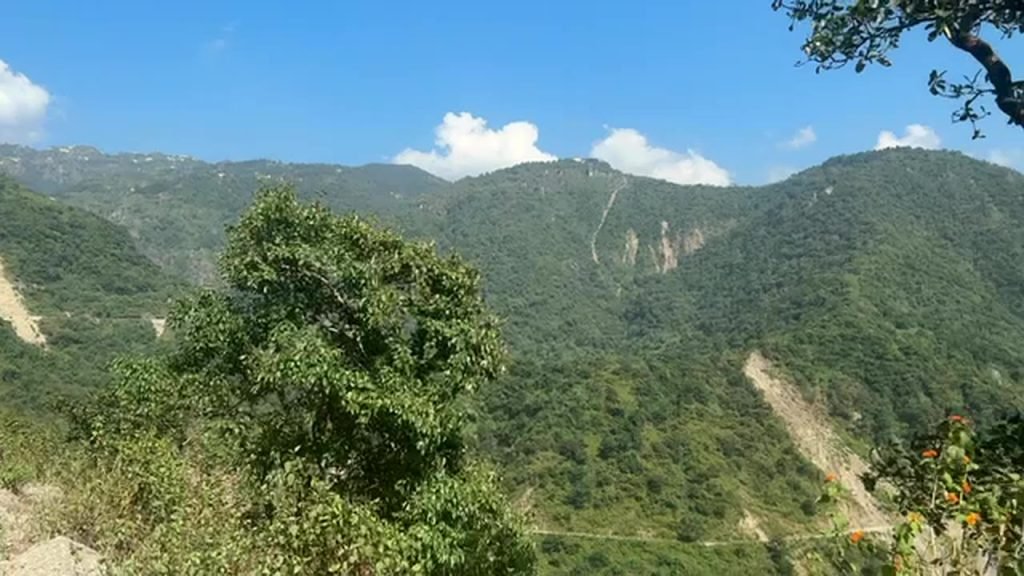
Green valley view on the Mussoorie to Dhanaulti road
Valley views beyond Mussoorie

Step 3: Dhanaulti to Kaddukhal

Dhanaulti is the last big stop for tea, food and parking. Surkanda Devi is about 8 km further on, at Kaddukhal, where the trek and the ropeway both start. There is parking near the ropeway base station on the main road.
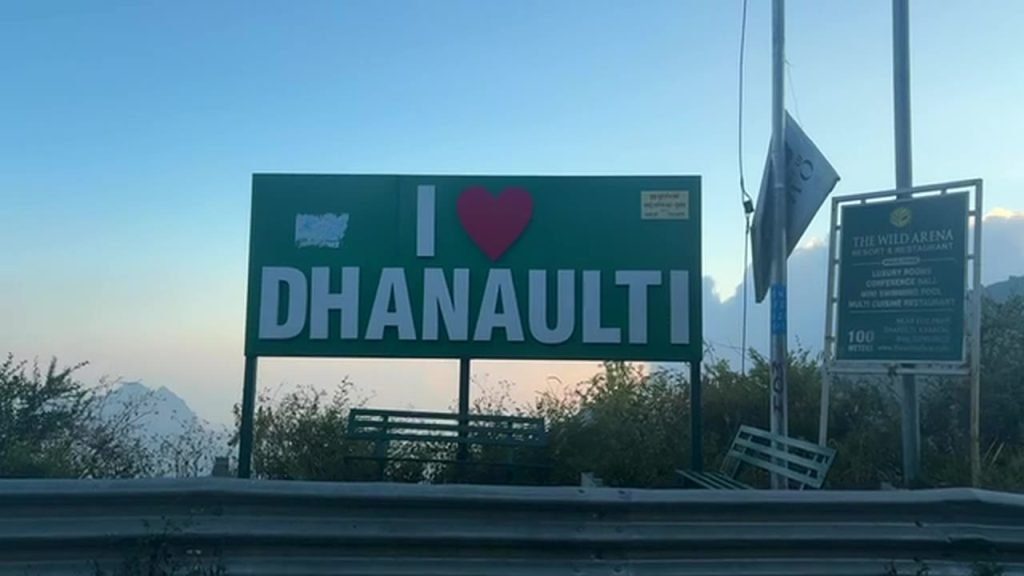
I love Dhanaulti sign on the way to Surkanda Devi Temple
Dhanaulti: about 8 km before Kaddukhal

Other ways to get there

  • Nearest railway station: Dehradun (about 70 km)
  • Nearest airport: Jolly Grant Airport, Dehradun (about 90 km)
  • Taxi: Shared and private taxis run from Dehradun and Mussoorie to Dhanaulti and Kaddukhal.

Ropeway or Trek: Two Ways Up from Kaddukhal

From Kaddukhal you can walk or ride up to the temple.

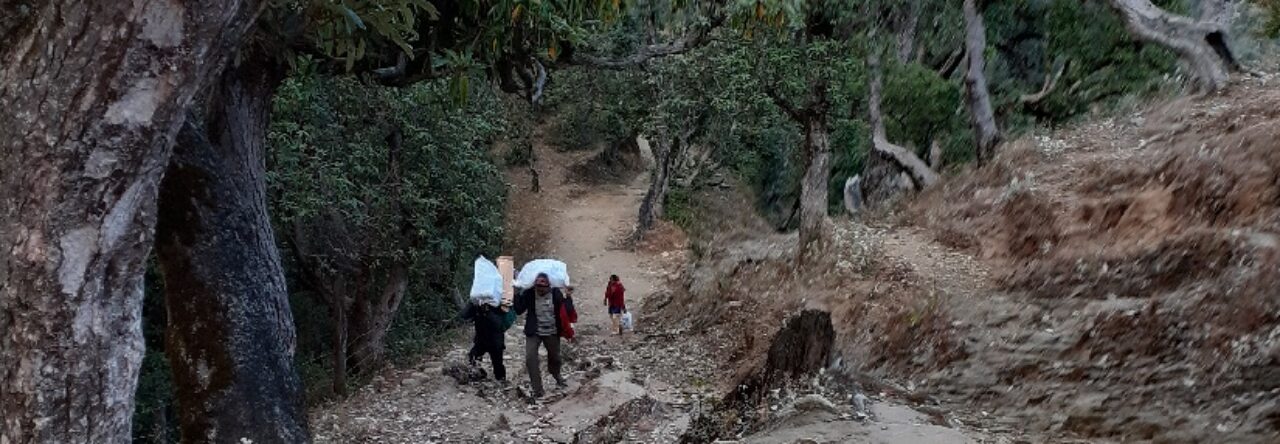
  • Trek: About 1.5 km of steep uphill path. Allow 45 minutes to an hour at an easy pace, and wear proper shoes.
  • Ropeway: About 800 m long, a 5 to 7 minute ride from the base station at Kaddukhal to the top.
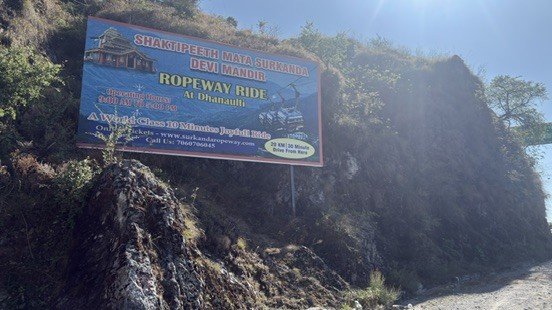
Surkanda Devi ropeway ride board at Kaddukhal near Dhanaulti
The ropeway board at Kaddukhal

Surkanda Devi ropeway ticket price and timings

  • Adult: About ₹110 one way, ₹220 return
  • Child (5 to 12 years): About ₹60 one way, ₹120 return; under 5 free
  • Payment: Cash only at the Kaddukhal counter; there is no ATM near the base station
  • Summer timings (April to September): About 7:30 AM to 6:30 PM
  • Winter timings (October to March): About 8 AM to 5 PM
  • Note: The ropeway stops in fog, snow or high wind, and fares can change. Confirm at the counter on the day.
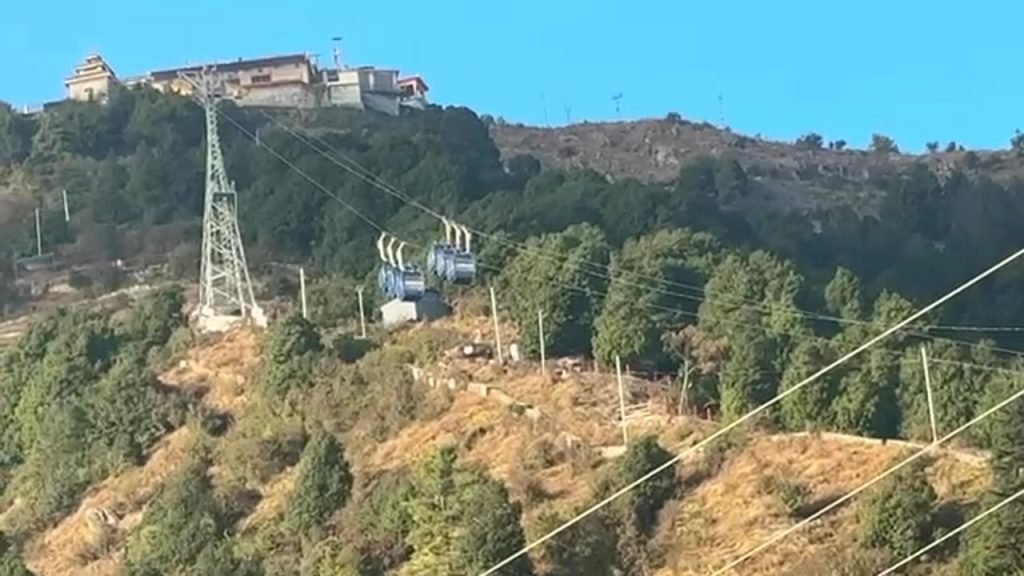
Surkanda Devi ropeway cabins climbing to the temple on the ridge
The ropeway climbs to the temple on the ridge top

What You Will See at the Top

The temple sits on the very top of the ridge, and on a clear day the view opens up in every direction. You can see the snow peaks of Bandarpunch, Swargarohini, Chaukhamba and the Kedarnath range, with the Doon valley on one side and the hills of Tehri on the other. Mornings are usually the clearest.

Best Time to Visit Surkanda Devi

  • March to June: Pleasant days and clear mornings. The best season for most visitors.
  • September to November: Fresh green hills after the monsoon and crisp mountain views.
  • Winter (December to February): Snow is possible on the ridge and the road. Beautiful, but check conditions first.
  • Monsoon (July and August): Landslides and fog are common; avoid if you can.
  • Crowds: Navratri and the Ganga Dussehra fair (May to June) bring very large crowds, as do weekends.
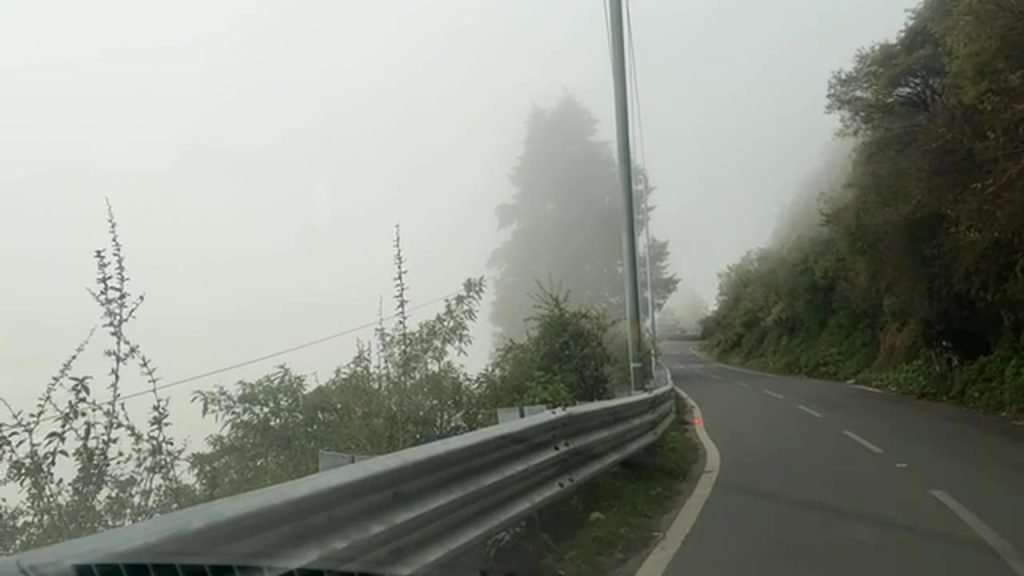
Fog rolling in on the Dhanaulti road in the afternoon
Clouds often roll in after midday

Travel Tips for Surkanda Devi Temple

  • Start early. Clouds often roll in after midday and hide the view.
  • Carry enough cash for the ropeway, food and parking.
  • Weekends and festival days mean long queues at the ropeway; arrive before 10 AM.
  • Drive slowly on the hairpins and give way to uphill traffic.
  • If you are travelling with a dog like our Yolo, carry water and a lead, and keep breaks short and shaded.

What to Carry for Surkanda Devi

  • A warm layer, even in summer; it is windy at 2,756 m
  • Cash for the ropeway and food
  • Water and a light snack
  • Good walking shoes for the trek
  • Sunscreen and sunglasses

Bonus Stop: Mahakaleshwar Mandir, Masrana

On the drive back we stopped at the small Shri Mahakaleshwar Mandir at Masrana just as the sun went down. The hills turn pink and the valley lights start to come on. It is a lovely, quiet place to end the day.
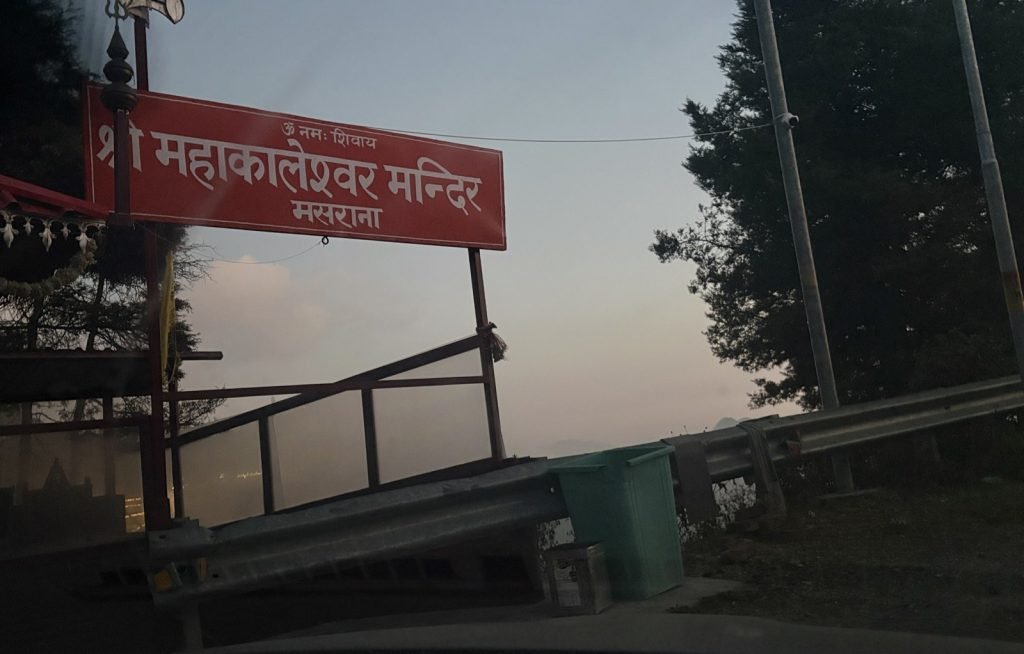
Shri Mahakaleshwar Mandir Masrana at sunset on the way back from Surkanda Devi
Mahakaleshwar Mandir, Masrana, at sunset

Watch: Our Trip to Surkanda Devi Temple

The full drive from Dehradun with Yolo, the ropeway at Kaddukhal, the view and our sunset stop at Masrana, with all the key facts on screen.

Surkanda Devi Temple: Frequently Asked Questions

Where is Surkanda Devi Temple?

Surkanda Devi Temple is on a ridge above Kaddukhal village near Dhanaulti, in Tehri Garhwal district of Uttarakhand, at about 2,756 m.

How far is Surkanda Devi from Dehradun?

About 66 km by road from the Clock Tower in Dehradun, via Mussoorie, Suwakholi and Dhanaulti. The drive takes 2.5 to 3 hours.

How far is Surkanda Devi from Dhanaulti?

About 8 km by road from Dhanaulti to Kaddukhal, where the trek and ropeway start.

What is the Surkanda Devi ropeway ticket price?

About ₹110 one way and ₹220 return for adults, and about ₹60 one way for children aged 5 to 12. Payment is cash only at the Kaddukhal counter.

How long is the Surkanda Devi trek?

About 1.5 km of steep uphill path from Kaddukhal. Most people take 45 minutes to an hour.

Why is Surkanda Devi a Shakti Peeth?

It is believed that the head (Sir) of Goddess Sati fell here, which gave the place the name Sir-khanda, later Surkanda. It is one of the 51 Shakti Peeths.

Which mountains can you see from Surkanda Devi?

On a clear day you can see Bandarpunch, Swargarohini, Chaukhamba and the Kedarnath peaks.

What is the best time to visit Surkanda Devi Temple?

March to June and September to November. Winters can bring snow, and Navratri and the Ganga Dussehra fair are the busiest times.

More guides you may like

Ropeway fares and timings were checked in November 2026 from published sources and can change. Please confirm locally before you travel.
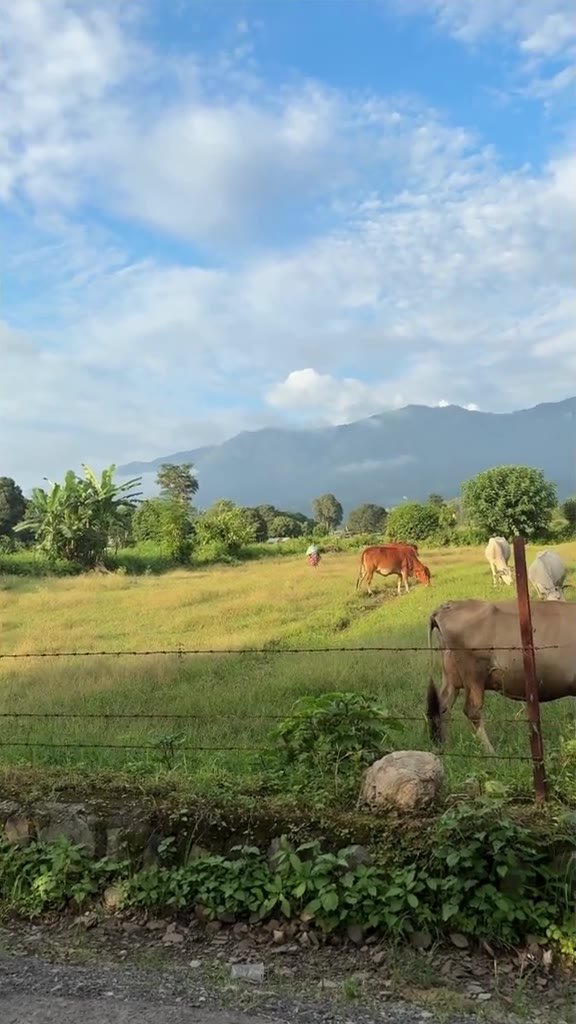
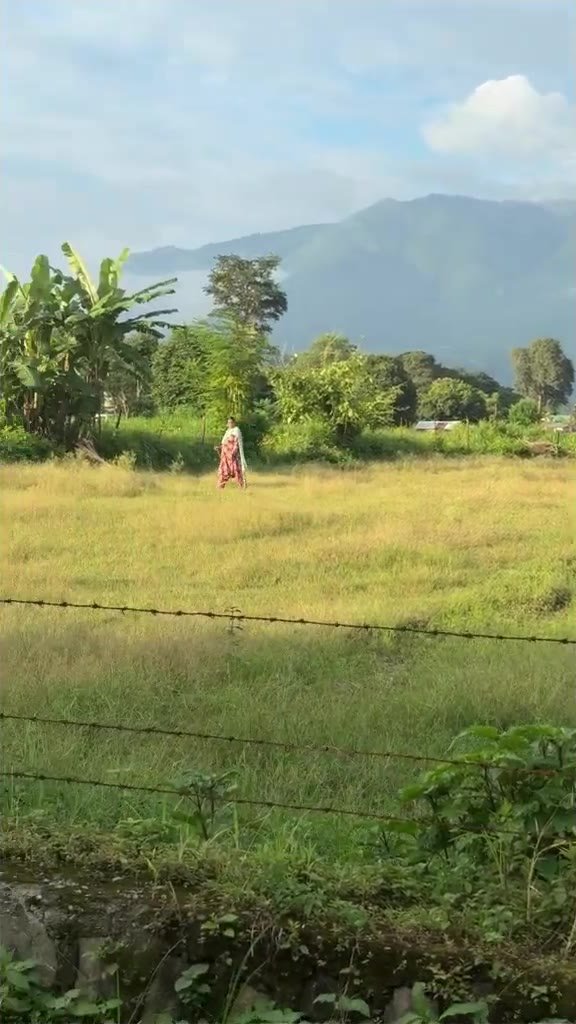
Green pastures on the Dehradun to Chakrata road with the Mussoorie hills behind

Dehradun to Chakrata Road Trip: Route, Green Pastures & Stops on the Way

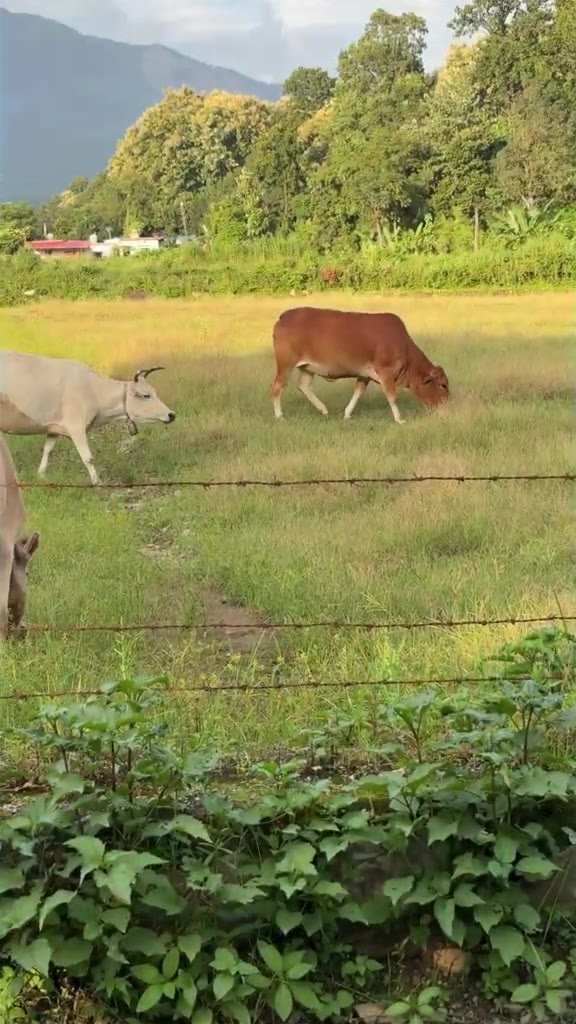
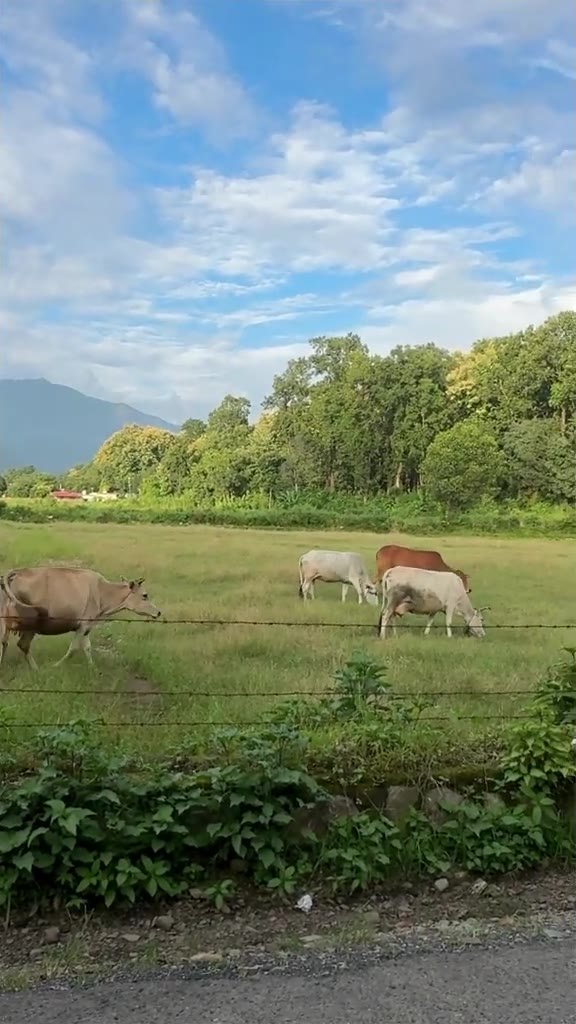
Most people drive from Dehradun to Chakrata with one thing in mind: getting to the hill station. But the road itself has some of the prettiest stretches in the Doon valley. Just before the climb begins, wide green and golden pastures open up beside the road, cows and bulls graze quietly behind wire fences, and the Mussoorie hills stand along the horizon. Here is our short video from that stretch, plus a simple guide to the route, the stops worth making and a few tips for the drive.

Green pastures on the Dehradun to Chakrata road with the Mussoorie hills behind

Where Are These Pastures?

These fields lie in the foothills on the way from Dehradun to Chakrata, before the road starts climbing into the hills. It is farmland and open grazing ground, not a high-altitude bugyal, and that is exactly its charm: flat, open and calm, with the long ridge of the Mussoorie hills behind you. In the video you can see cows and bulls of different colours grazing in the evening light, with a row of tall trees at the edge of the fields.

There is no ticket, signboard or parking lot here. It is simply a beautiful roadside stretch that most travellers pass without a second look.

Cows grazing in open fields on the way from Dehradun to Chakrata

Dehradun to Chakrata: The Route

  • Distance: about 90 km from Dehradun city to Chakrata.
  • Time: around 3 hours by car or bike, a little more with stops.
  • Route: Dehradun → Premnagar → Selaqui → Herbertpur / Vikasnagar → Kalsi → Sahiya → Chakrata.
  • Road: flat and easy up to Vikasnagar and Kalsi, then a long winding climb through pine forest to Chakrata.
  • By bus: Uttarakhand Roadways and private buses run from Dehradun towards Chakrata via Vikasnagar; shared jeeps also run from Vikasnagar and Kalsi.

If you are driving from Mussoorie instead, you can also reach Chakrata via Kempty Falls and Yamuna Bridge, but the Vikasnagar–Kalsi road from Dehradun is the most common route.

Stops Worth Making on the Way

1. The pastures near the foothills

The stretch in our video. Pull over only where the shoulder is wide and safe, step away from the traffic and simply enjoy the open view towards the Mussoorie hills.

2. Kalsi and the Ashokan rock edict

At Kalsi, beside the road, stands a large quartz rock carrying the edicts of Emperor Ashoka from around 250 BCE, written in Brahmi script. It records his Major Rock Edicts 1 to 14 and has a small carving of an elephant on one side. The rock was found by Alexander Cunningham in about 1850 and is now protected under a shelter. It is a quick, fascinating stop for anyone who likes history.

3. Matogi Shiv Temple (a detour)

If you have time, the hilltop Matogi Shiv Temple with its giant statue of Lord Shiva is reached from the Chakrata road via Langha. It makes a great half-day detour on the way back.

4. Bhadraj Temple (a detour)

From Kalsi, a road follows the Yamuna upstream past the Vyasi reservoir and climbs through Jaunpur to Bhadraj Temple, the hilltop shrine of Lord Balram at about 2,230 m. See our Bhadraj Temple guide.

5. Chakrata and around

Chakrata itself is a quiet army cantonment town among deodar forests. Popular spots around it include Tiger Falls (a forest waterfall beyond Chakrata, where the last stretch is on foot), Deoban for forest walks and Himalayan views, and Chilmiri sunset point. Roads to some of these are narrow and rough, so ask locally about conditions before you go.

Cows and bulls grazing in the Doon valley foothills on the Chakrata road

Tips for the Drive

  • Start early. Leave Dehradun by about 7 am. You get soft light in the fields, cooler air and emptier roads, and you reach Chakrata before lunch.
  • Fuel up in Vikasnagar. Fill your tank in the plains; options become limited once the climb starts.
  • Carry snacks and water. Many dhabas on the climb open late in the morning.
  • Respect the animals. The cows and bulls in these fields are cared for by local families. Do not feed them, do not enter fenced fields, and let them graze in peace.
  • Park safely. Stop only where you are fully off the road; buses and trucks use this route.
  • Watch for stinging nettle. Bichhu ghaas grows along roadsides in the hills; wear full trousers if you walk into the grass.
  • Check entry rules. Chakrata is a cantonment area. Indian visitors can travel freely, but foreign nationals should check the current rules before planning a trip.

Best Time to Visit

October to early December and March to June are the best months. After the monsoon the fields are at their greenest and the air is clear, which is when we shot this video. Winters are cold in Chakrata, and during the monsoon (July to September) landslides can close the hill road, so check the weather before you leave.

Open fields and trees in the Doon valley on the road to Chakrata

What to Carry for the Dehradun to Chakrata Drive

As an Amazon Associate I earn from qualifying purchases.

Watch: Green Pastures on the Road to Chakrata

Follow us on Instagram @dehraduni1 for more hidden places in Uttarakhand.

Frequently Asked Questions

How far is Chakrata from Dehradun?

Chakrata is about 90 km from Dehradun city by road, and the drive takes around 3 hours via Vikasnagar and Kalsi.

Which is the best route from Dehradun to Chakrata?

The most common route is Dehradun, Premnagar, Selaqui, Herbertpur or Vikasnagar, Kalsi, Sahiya and then Chakrata. The road is flat until Kalsi and then climbs steadily through the hills.

What can I see on the way from Dehradun to Chakrata?

Open green pastures with the Mussoorie hills behind them, the Ashokan rock edict at Kalsi, views of the Yamuna valley and pine forests on the climb. Matogi Shiv Temple is a worthwhile detour from the same road.

When is the best time for a Dehradun to Chakrata road trip?

October to early December and March to June. Avoid heavy monsoon days, when landslides can block the hill road.

Can I do Chakrata as a day trip from Dehradun?

Yes, if you start early. Leave by 7 am, stop at the pastures and Kalsi on the way, spend a few hours in Chakrata and drive back before dark. To see Tiger Falls or Deoban comfortably, plan an overnight stay.

Black Labrador sniffing a young bull calf in a village field near Dehradun

Labrador Meets Calf: Our Dog and Cow Friendship Story + Tips for Dog Parents

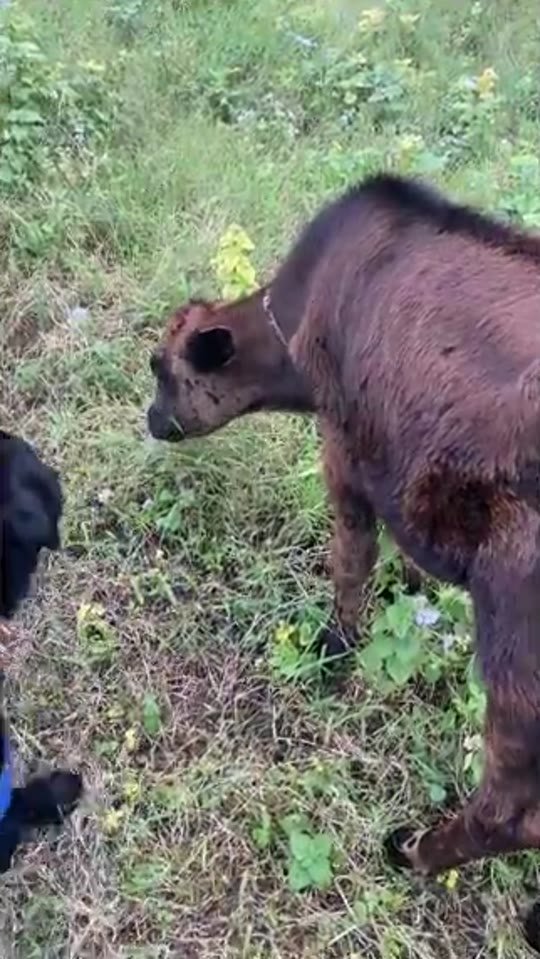
Our black Labrador, Yolo, has an unlikely friend in the village fields near Dehradun: a young bull calf. When the calf was tiny, he was scared of Yolo and kept his distance. Today, Yolo sniffs and sniffs while the calf simply carries on grazing. Here is the story in our short video, and what we have learned about letting a dog meet farm animals safely.

Black Labrador sniffing a young bull calf in a village field near Dehradun
Yolo meets his calf friend

From Fear to Friendship

Village life in the Himalayan foothills means dogs, cows, goats and calves often share the same fields. When this calf was small, every visit from an excited Labrador was too much for him. Over time he got used to Yolo’s curious nose. In the video you can see the result: Yolo circles and sniffs, and the calf barely looks up from the grass. Grass first, dog later!

Tips for Dog Parents Around Farm Animals

Every animal is different, so go slowly and watch both of them closely. These simple habits help keep everyone safe:

  • Keep your dog on a leash. A leash lets you step in instantly if either animal gets nervous. You can see Yolo on his leash throughout the video.
  • Let them sniff slowly. Short, calm meetings are better than long ones. Allow sniffing, then move away before either animal gets stressed.
  • Never force a meeting. If the calf backs away, lowers his head or kicks, give him space and try another day.
  • Watch for the mother cow. A mother cow can be very protective of her calf. Keep your dog well away if the mother is close by and looks unsettled.
  • Check with the caretaker first. Village animals are loved and looked after by their families. Always ask the calf’s caretaker before letting your dog come close.
  • Stay calm yourself. Dogs pick up on your mood. A relaxed handler makes for a relaxed dog.
Labrador on a blue leash next to a grazing calf
Keeping Yolo on a leash during the meeting

Life in the Doon Valley Villages

Moments like this are part of everyday life in the villages around Dehradun. Fields, grazing cows and calves, and dogs that wander alongside their people are a big part of what makes the Doon valley feel so different from the city, even though it is only a short drive away. If you enjoy animal stories from the hills, you may also like our posts on how our Labrador Holu survived parvo.

Bull calf grazing calmly while a Labrador sniffs nearby
Grass first, dog later

Watch: Labrador Meets Calf

Frequently Asked Questions

Can dogs and calves be friends?

Yes, many dogs and calves learn to live calmly side by side, especially when they meet often under supervision. In our case, a young bull calf who was once scared of our Labrador now ignores him and keeps grazing.

How should I introduce my dog to a calf or cow?

Keep your dog on a leash, check with the caretaker first, and let them sniff each other briefly from a safe position. End the meeting before either animal gets stressed, and never force it.

Is it safe to let a dog near cows and bulls?

Cows and bulls are big and strong, and a mother cow will protect her calf. Always supervise closely, keep your dog leashed, and move away if they seem nervous.

Where was this video filmed?

In a village in the Himalayan foothills near Dehradun, Uttarakhand.

Rahu Mandir Paithani temple spire, Pauri Garhwal

Rahu Mandir Paithani: Legend, How to Reach & Travel Guide (Pauri Garhwal)

Rahu Mandir in Paithani is one of the very few temples in India dedicated to Rahu, the shadow planet of Vedic astrology. Tucked away in the Thalisain block of Pauri Garhwal, on the bank of a mountain river, this ancient stone temple sees only a trickle of visitors compared with the big pilgrim centres of Uttarakhand. We drove here from Dehradun. This guide covers the legend, the route, where to stay and what to expect when you arrive.

Rahu Mandir Paithani temple spire, Pauri Garhwal
The ancient stone shikhara of Rahu Mandir, Paithani

Rahu Mandir Paithani at a Glance

  • Deity: Rahu, worshipped together with Lord Shiva
  • Location: Paithani village, Thalisain block, Pauri Garhwal district, Uttarakhand
  • Setting: beside a river at a confluence, in an area traditionally called Rathkshetra
  • Distance: about 50 km from Pauri, about 80 km from Kotdwar railway station and about 140 km from Jolly Grant Airport, Dehradun
  • Stay: a simple homestay right next to the temple
  • Best time: March to June, or October to February for cold, quiet days
  • Avoid: July to September, when landslides are common on hill roads

The Legend of Rahu Mandir

The story goes back to the churning of the ocean (Samudra Manthan). When Rahu tried to drink the nectar of immortality, Lord Vishnu cut off his head with the Sudarshan Chakra. According to local belief, Rahu’s head fell at Paithani and lies buried under a huge rock in the river, which is worshipped as the Rahu Shila. The Kedarkhand section of the Skanda Purana also links this place with Rahu, who is said to have performed penance to Lord Shiva here.

Tradition credits Adi Shankaracharya with identifying the spot. It is said that while passing through, he felt Rahu’s energy most strongly here, worshipped the rock and had the temple built. Local tradition also says the village takes its name from Rahu’s gotra, Paithinasi.

Rahu Shila rock in the river at Paithani
Rahu Shila: the giant river rock where Rahu is worshipped

Two Deities: Shiva Inside, Rahu Outside

What makes Rahu Mandir different is that two deities are worshipped together. Lord Shiva is worshipped inside the stone temple, while Rahu is worshipped outside in the form of the Rahu Shila beside the river. Look closely at the old stones of the temple and you will find carvings linked to the legend, including Rahu’s head and the Sudarshan Chakra.

Many visitors come to offer water and prayers here because they believe it eases Rahu dosh in a horoscope. Locals say Paithani is the first place where Rahu dosh is removed. Others come simply for the peace of the place: an old stone temple, the sound of the river and hardly any crowds.

Riverside ghat and Rahu Shila at Rahu Mandir Paithani
The riverside ghat beside the temple

How to Reach Rahu Mandir from Dehradun

Step 1: Dehradun to Rishikesh

Leave Dehradun via Jolly Grant Airport and head towards Rishikesh. Start early, because this is a long day on mountain roads.

Step 2: Rishikesh to Devprayag and Pauri

Follow the Ganga valley to Devprayag, where the Bhagirathi and Alaknanda meet to form the Ganga, then climb up towards Pauri. Beyond Devprayag the road rises to around 5,000 ft through pine forest, with wide views of the hills and, on clear days, snow peaks on the horizon.

Pine forest hill road on the way to Pauri and Paithani
The pine-lined hill road towards Pauri

Step 3: Pauri to Paithani (about 50 km)

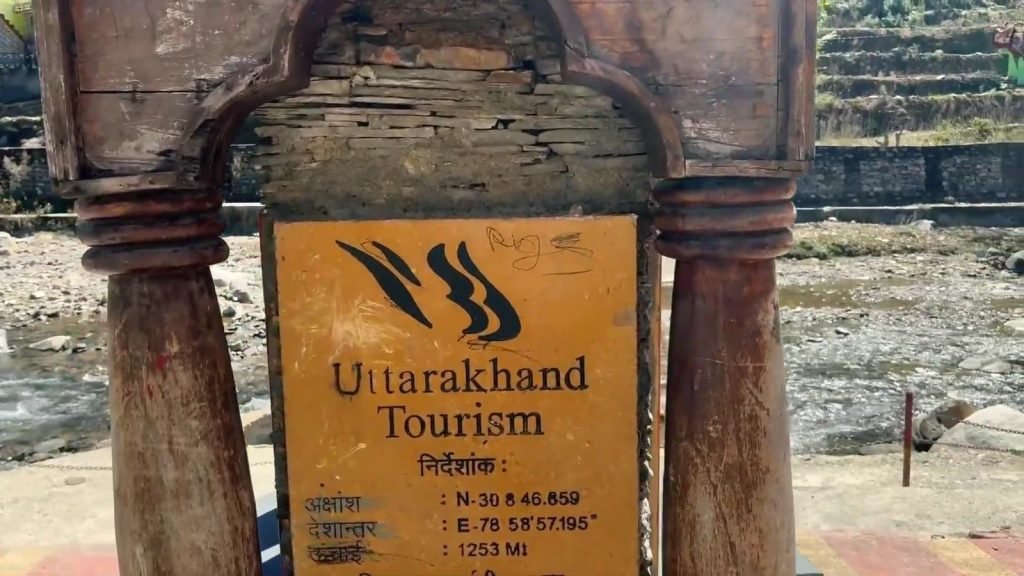
From Pauri, continue towards Thalisain and Paithani. This is a quieter road through villages and forest with plenty of bends, so drive slowly and keep buffer time. The temple sits beside the river below the village, and an Uttarakhand Tourism board marks the site.

Uttarakhand Tourism signboard at Rahu Mandir Paithani
The Uttarakhand Tourism board at the temple

Other ways to get there

  • Nearest railway station: Kotdwar, about 80 km away.
  • Nearest airport: Jolly Grant Airport, Dehradun, about 140 km away.
  • Taxi: shared and private taxis are available from Pauri and Kotdwar.

Where to Stay at Paithani

There is a simple homestay right next to the temple, which is where we stayed. The rooms are basic and clean, and the hosts provide a gas stove and utensils so you can cook your own vegetarian food, all at a very reasonable price. For more choice, stay in Pauri and make Paithani a day trip.

A Temple That Is Changing

The state government has started a beautification project worth about ₹1.90 crore for the temple, and a road on the Dharamshala route is under construction. Facilities should improve over the next few years, but for now Rahu Mandir is still one of the most peaceful, untouched temples in Garhwal.

Travel Tips for Rahu Mandir

  • Start early. Mountain roads are slow and it gets dark quickly in winter.
  • Carry warm layers from October to February; mornings by the river are cold.
  • Keep cash with you, as ATMs and card payments are limited in the villages.
  • Carry water and snacks; there are only a few small shops nearby.
  • Locals told us the area sees leopards and bears, so avoid walking alone after dark.
  • Check road conditions before travelling, especially just after the monsoon.
  • Planning more temple trips? Read our guides to Kunjapuri Temple, Bhadraj Temple and Matogi Shiva Temple.

What to Carry for Rahu Mandir, Paithani

As an Amazon Associate I earn from qualifying purchases.

Watch: Our Trip to Rahu Mandir, Paithani

Watch the full road trip on our channel: Rahu Mandir Paithani | Pauri Garhwal road trip.

Frequently Asked Questions

Where is Rahu Mandir in Uttarakhand?

Rahu Mandir is in Paithani village, in the Thalisain block of Pauri Garhwal district, beside a river about 50 km from Pauri.

How far is Paithani from Pauri?

Paithani Rahu Mandir is about 50 km by road from Pauri. From Dehradun, the usual route is via Rishikesh, Devprayag and Pauri.

How far is Rahu Mandir from Dehradun?

It is about 140 km from Jolly Grant Airport, Dehradun, by road via Rishikesh, Devprayag and Pauri. Plan for a full day of driving on mountain roads.

Why is Rahu Mandir Paithani famous?

It is one of the very few temples in India dedicated to Rahu. Lord Shiva is worshipped inside the temple and Rahu outside as the Rahu Shila, the rock under which Rahu’s head is said to lie.

Is there a place to stay near Rahu Mandir?

Yes. There is a simple homestay next to the temple where you can cook your own vegetarian food with the gas stove and utensils provided. Pauri has more hotels.

Which is the nearest railway station to Rahu Mandir?

Kotdwar is the nearest railway station, about 80 km away.

What is the best time to visit Rahu Mandir?

March to June is pleasant, and October to February is cold but peaceful. Avoid July to September, when landslides are common.

Kunjapuri Temple near Rishikesh with saffron flags

Kunjapuri Temple Rishikesh: Shakti Peeth Legend, Sunrise Point & How to Reach

Kunjapuri Temple is one of the easiest and most rewarding hilltop temples to visit from Dehradun and Rishikesh. Perched at about 1,600 metres above Narendra Nagar, this shrine of Goddess Kunjapuri Devi is one of the revered Shakti Peeths of Uttarakhand, and it is famous for sunrise views over the snow peaks of the Garhwal Himalaya and the Bhagirathi valley. Here is our complete, step-by-step guide to getting there and what to expect.

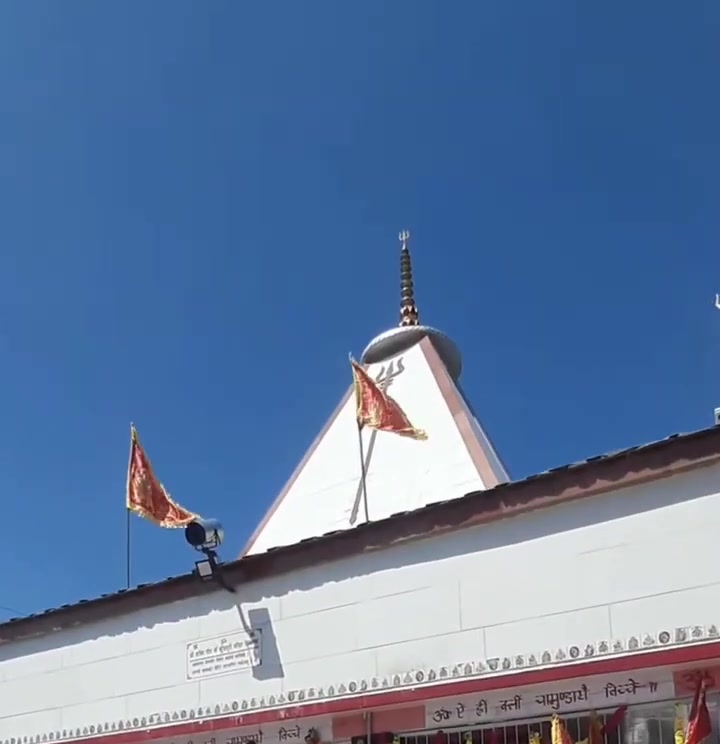
Kunjapuri Temple near Rishikesh with saffron flags
The white shikhara of Kunjapuri Devi Temple

Kunjapuri Temple at a Glance

  • Deity: Goddess Kunjapuri Devi, a form of Goddess Durga
  • Altitude: about 1,600 m (the Uttarakhand Tourism board at the top reads 1,573 m)
  • Location: above Narendra Nagar, Tehri Garhwal district, Uttarakhand
  • Distance: about 25 km by road from Rishikesh and around 70 km from Dehradun
  • Steps: around 300 steps from the parking area to the shrine
  • Best time: October to March for clear Himalayan views; go early for the sunrise
  • Busiest days: Navratri, when thousands of devotees visit

Kunjapuri Shakti Peeth: The Legend of Kunjapuri Devi

According to the information board at the temple, Kunjapuri is one of the Siddha Peeths established in the region by Jagadguru Shankaracharya. Legend says that when Goddess Sati gave up her life in the yajna of her father Daksha, Lord Shiva carried her body back towards Kailash. Wherever parts of her body fell, a Shakti Peeth arose. The upper half of Sati’s body is believed to have fallen here, and the temple of Kunjapuri Devi stands at that spot. Together with Surkanda Devi and Chandrabadni, Kunjapuri forms a sacred triangle of Shakti Peeths in Tehri district.

How to Reach Kunjapuri Temple: Step by Step

Step 1: Dehradun to Rishikesh (about 45 km)

Drive or take a bus from Dehradun to Rishikesh via Doiwala. The road is wide and easy, and the drive takes about an hour.

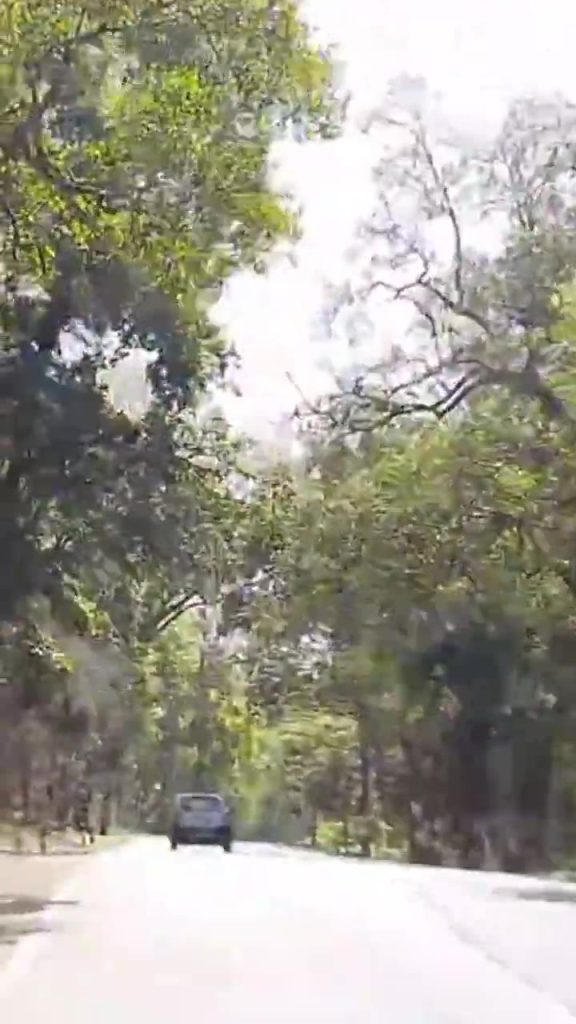
Forest road to Kunjapuri Temple via Narendra Nagar
The forest road climbing towards Narendra Nagar

Step 2: Rishikesh to Narendra Nagar

From Rishikesh, take the Rishikesh–Chamba highway (towards New Tehri) and climb up to Narendra Nagar. The road winds through sal and pine forest with views back over the Ganga valley.

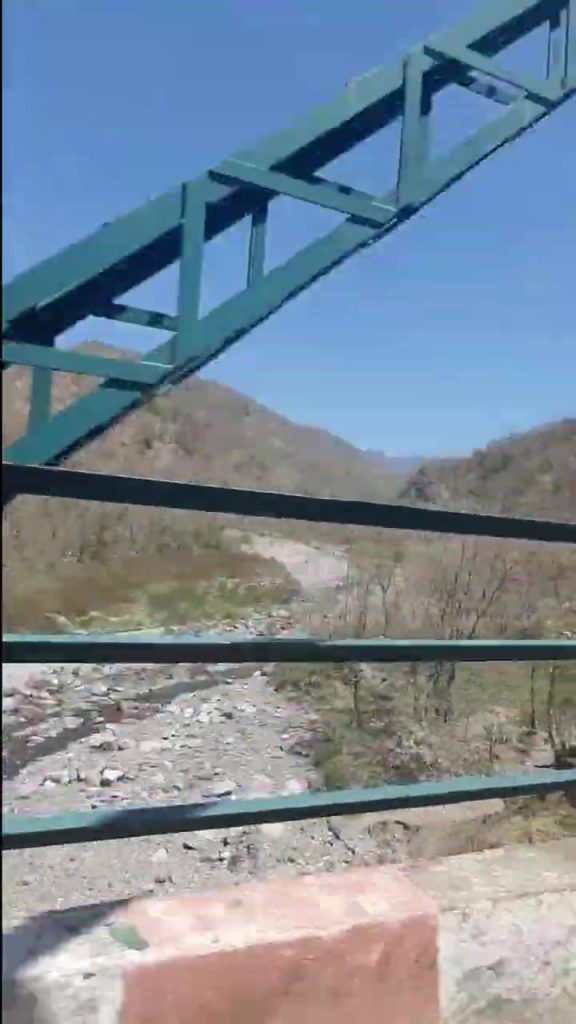
Bridge on the way to Kunjapuri Temple
Crossing a river bed on the drive up

Step 3: Turn off for Kunjapuri at Hindolakhal

Beyond Narendra Nagar, look for the Kunjapuri road turning off the highway near Hindolakhal. Follow it up to the temple parking area. The last stretch is a narrow hill road with sharp bends, so drive slowly and use your horn on blind corners.

Step 4: Park, buy prasad and climb the steps

At the base you will find parking and small shops selling prasad, chunri and flowers for the goddess. From here, around 300 steps lead up to the shrine. Take them slowly and stop on the way to enjoy the views.

Marigold garlands at the Kunjapuri Devi temple gate
Marigold garlands at the temple gate

Other ways to get there

  • Taxi: shared and private taxis run from Rishikesh; a private cab is the easiest option for the sunrise.
  • Trek: a forest trail of about 5 km climbs from Hindolakhal village to the temple, and longer sunrise treks start from the Tapovan side of Rishikesh.
  • Nearest airport: Jolly Grant Airport, Dehradun.
  • Nearest railway station: Rishikesh.
Uttarakhand Tourism board showing Kunjapuri Temple altitude
The Uttarakhand Tourism board at the top: 1,573 m

What You Will See at the Top

The temple courtyard opens onto a ridge with a sweeping view in almost every direction. On clear mornings you can see the snow-covered peaks of the Garhwal Himalaya on one side, and the Bhagirathi valley and the plains around Rishikesh and Haridwar on the other. Red and gold flags of the goddess flutter along the railing, and benches along the edge make it a lovely place to sit after darshan.

View of the Garhwal hills from Kunjapuri Temple
The view over the Garhwal hills from the temple

Travel Tips for Kunjapuri Temple

  • Leave Rishikesh by about 5 am if you want to catch the sunrise from the top.
  • Carry a light jacket; mornings on the ridge are cold even in spring.
  • Carry water and a few snacks, and keep some cash for prasad and parking.
  • Avoid the monsoon months if you can, when the hill road and trail can be slippery.
  • Combine your trip with other hilltop shrines near Dehradun, such as Matogi Shiva Temple and Bhadraj Temple.
Flags of Kunjapuri Devi above the Bhagirathi valley
Flags of the goddess above the valley

What to Carry for Kunjapuri Temple

As an Amazon Associate I earn from qualifying purchases.

Watch: Our Guided Trip to Kunjapuri Temple

https://www.youtube.com/shorts/gxmVvoCWAiQ

Watch the Reel on Instagram @dehraduni1.

Kunjapuri Temple: Frequently Asked Questions

Which part of Sati’s body fell at Kunjapuri?

According to the legend, the upper half of Goddess Sati’s body fell at this spot when Lord Shiva carried her body towards Kailash, which is why Kunjapuri is revered as a Shakti Peeth.

Where is the sunrise point at Kunjapuri?

The sunrise point is the temple courtyard itself, at the top of the steps. From here you can watch the sun rise over the Garhwal Himalaya and the Bhagirathi valley, so reach the top about 30 minutes before sunrise.

How far is Kunjapuri Temple from Rishikesh?

Kunjapuri Temple is about 25 km by road from Rishikesh, via Narendra Nagar and Hindolakhal. The drive takes around an hour.

How far is Kunjapuri Temple from Dehradun?

It is around 70 km from Dehradun via Rishikesh, a drive of about two to two and a half hours.

How many steps are there at Kunjapuri Temple?

There are around 300 steps from the parking area to the shrine.

Why is Kunjapuri Temple famous?

Kunjapuri is a revered Shakti Peeth where the upper half of Goddess Sati’s body is believed to have fallen. It is also famous for sunrise views of the Himalayan snow peaks.

What is the best time to visit Kunjapuri Temple?

October to March offers the clearest skies. Go early in the morning for the sunrise, and expect large crowds during Navratri.

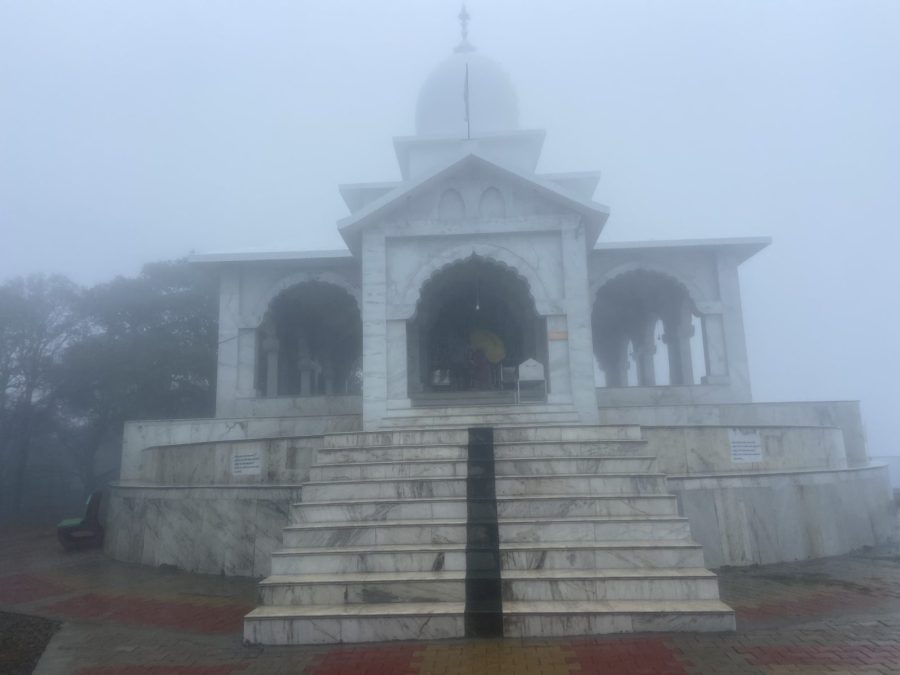
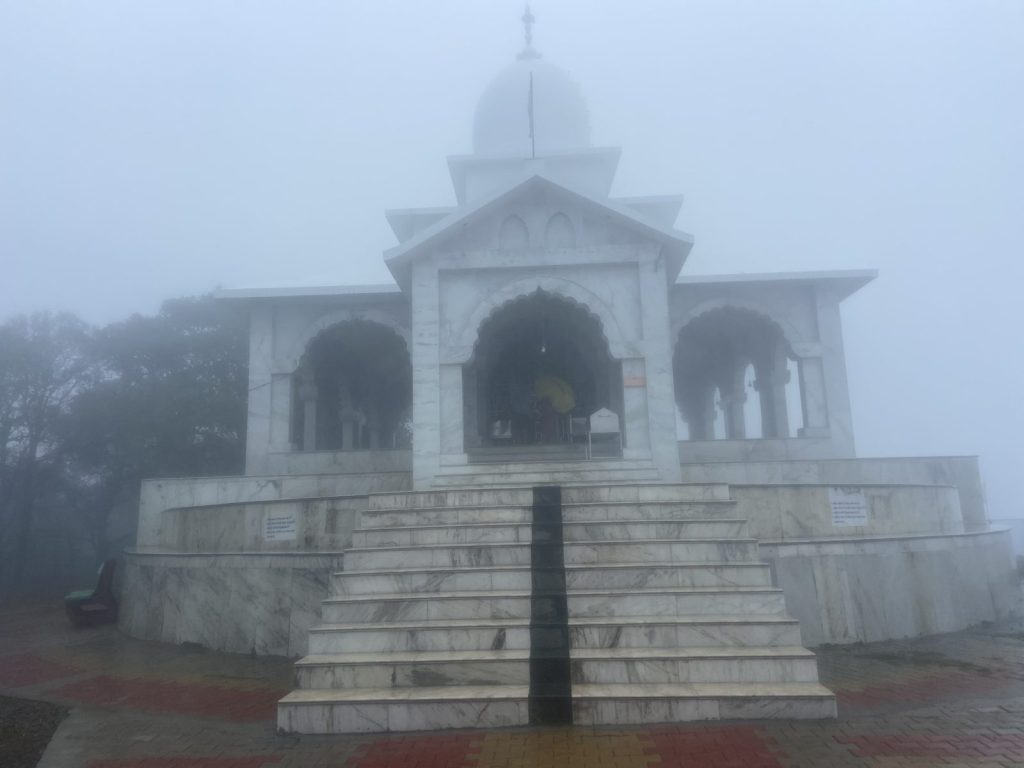
Bhadraj Temple near Mussoorie wrapped in monsoon clouds

Bhadraj Temple Mussoorie: Which God, Trek & Route Guide

Bhadraj Temple is one of the most rewarding day trips from Dehradun and Mussoorie. Perched on a grassy hilltop at about 2,230 metres (7,300 ft), this white marble shrine of Lord Balbhadra, also called Balram, the elder brother of Lord Krishna, often floats above the clouds. We rode up on a monsoon morning, past the emerald waters of the Yamuna and waterfalls on almost every bend, and reached a temple wrapped completely in mist.

Bhadraj Temple near Mussoorie wrapped in monsoon clouds
Bhadraj Temple in the clouds during monsoon

Bhadraj Temple at a Glance

  • Deity: Lord Balbhadra (Balram), worshipped locally as Bhadraj Devta
  • Altitude: about 2,230 m (7,300 ft)
  • Location: Jaunpur area, roughly 14 km west of Mussoorie, Dehradun district, Uttarakhand
  • Managed by: Bhadraj Mandir Samiti (registered), Binhar Jaunpur
  • Annual fair: 16 and 17 August
  • Best time to visit: March to June for clear Himalayan views, July to September for clouds and green meadows, October to November for crisp skies

The Legend of Bhadraj Devta

Local belief says that Lord Balbhadra stopped on this hill and taught the herdsmen of the area how to look after their cows and bulls. In gratitude, villagers began offering milk and butter to the deity, a custom that continues today. Over the years the offering grew into the Bhadraj fair, when people from the surrounding villages climb the hill with milk, butter and songs. For the herding families of Jaunpur and Pachhwadoon, Bhadraj Devta is still the protector of their cows and bulls.

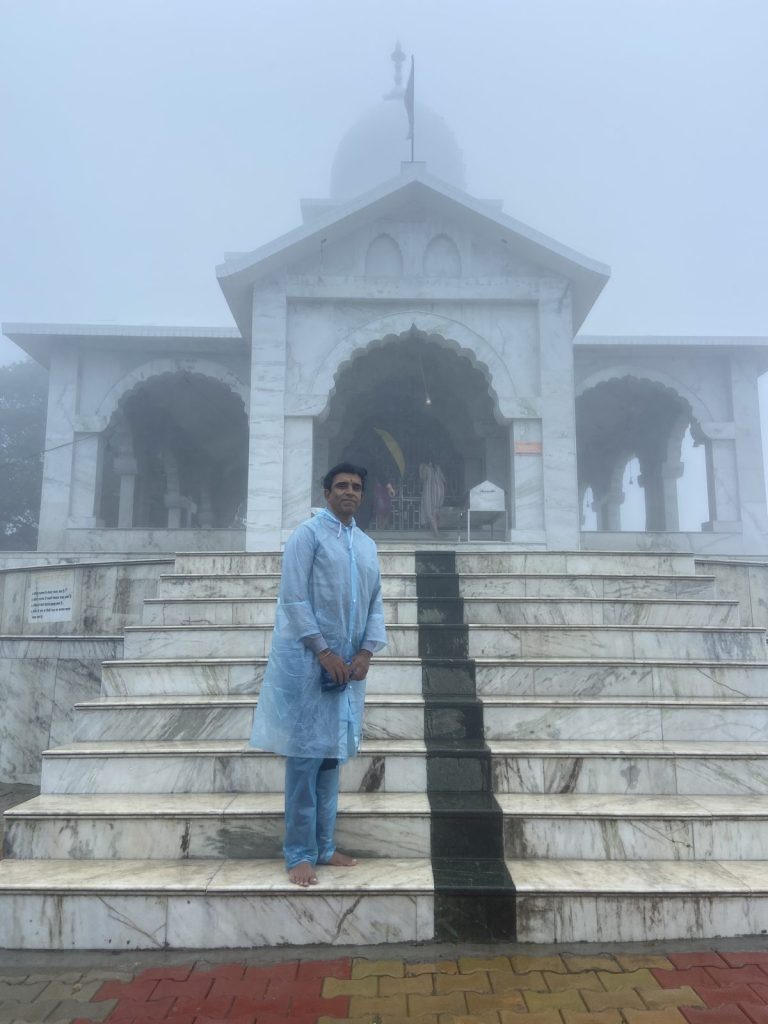
Marble steps of Bhadraj Temple, shrine of Lord Balbhadra
The marble steps leading to the shrine of Lord Balbhadra

How to Reach Bhadraj Temple from Dehradun

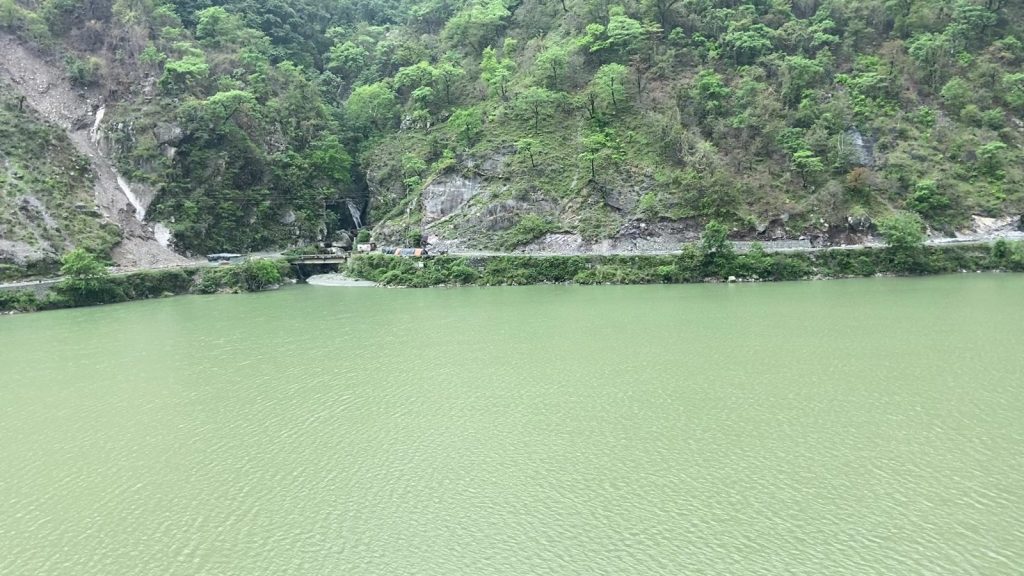
We took the scenic western route. From Dehradun, head towards Vikasnagar and Kalsi, then follow the Yamuna upstream. The road runs beside the wide, emerald reservoir near the Vyasi hydro project and climbs past waterfalls that pour straight onto the road in the monsoon. From there the road winds up through the villages of Jaunpur towards the Bhadraj ridge.

Emerald Yamuna reservoir on the road to Bhadraj Temple
The emerald Yamuna near the Vyasi project, on the way to Bhadraj

The other popular approach is from Mussoorie: take the road via Hathipaon to Cloud End. From Cloud End you can trek, or continue by vehicle towards Dudhli village and walk the final stretch to the top. Many trekkers make it a classic Bhadraj trek, with the last few kilometres on foot through oak and rhododendron forest.

Waterfall beside the road to Bhadraj Temple
One of many monsoon waterfalls on the route
  • By car or bike: the road is narrow and steep in places, so ride slowly, especially after rain.
  • On foot: the trail from Dudhli is moderate and suits most walkers with basic fitness.
  • Nearest town for fuel and food: Mussoorie on one side, Vikasnagar on the other.
Jaunpur valley view on the Bhadraj Temple route
Terraced fields and the Yamuna valley on the climb

What to Expect at the Top

The temple stands on a broad meadow with a wide flight of marble steps leading to the shrine. A large bell hangs at the entrance, and the courtyard has benches, shelters and a viewing fence along the edge of the ridge. On a clear day you can see the Doon valley on one side and the snow peaks of the Garhwal Himalaya on the other. On our monsoon visit, the clouds rolled across the meadow so thickly that the temple appeared and vanished within minutes, a magical sight in itself.

Paved trek path to Bhadraj Temple in monsoon
The paved path along the Bhadraj ridge

Bhandara and Visitor Notices

The Bhadraj Mandir Samiti has put up notices for visitors and groups:

  • Bhandara (community meal): anyone who wishes to organise a bhandara must apply to the temple committee three months in advance, with a receipt of ₹11,000. Plastic plates and glasses must be disposed of by the organisers themselves.
  • Keep the hill clean. Carry your waste back down; there is no garbage collection on the ridge.
Bhadraj hill meadow covered in clouds
Clouds rolling over the Bhadraj meadow

Travel Tips for Bhadraj Temple

  • Start early. Clouds usually build up after noon, especially in the monsoon.
  • Carry a raincoat or poncho in any season; weather on the ridge changes quickly.
  • Take water and light snacks, as shops near the top are few and may be closed on weekdays.
  • Wear shoes with good grip; marble steps and trail stones get slippery when wet.
  • Combine the trip with Matogi Shiva Temple, another hidden hilltop shrine near Dehradun.

What to Carry for Bhadraj Temple

As an Amazon Associate I earn from qualifying purchases.

Bhadraj Temple: Frequently Asked Questions

Where is Bhadraj Temple?

Bhadraj Temple is in the Jaunpur area of Dehradun district, Uttarakhand, about 14 km west of Mussoorie, on a hilltop at around 2,230 m.

Which god is worshipped at Bhadraj Temple?

The temple is dedicated to Lord Balbhadra, also known as Balram, the elder brother of Lord Krishna. Locals call him Bhadraj Devta.

When is the Bhadraj fair held?

The annual Bhadraj fair is held on 16 and 17 August, when devotees offer milk and butter to the deity.

How far is Bhadraj Temple from Dehradun?

About 43 km by road from the Clock Tower in Dehradun, via Mussoorie. Google Maps puts the drive at about 2 hours. From Mussoorie the route runs via Hathipaon to Cloud End, where you can trek or carry on by vehicle. Mountain roads and traffic around Mussoorie can make the journey longer, so plan a full day.

Can you drive to Bhadraj Temple?

Yes, roads now reach close to the ridge from the Jaunpur side, though the last part is narrow. From Mussoorie, most people drive to Dudhli village and walk the final stretch.

How high is Bhadraj Temple?

About 2,230 m (7,300 ft) above sea level, on a ridge roughly 14 km west of Mussoorie.

How do you reach Bhadraj Temple from Mussoorie?

Drive or ride via Cloud End to Dudhli village, then walk the final stretch to the top through oak and rhododendron forest.

How long is the Bhadraj Temple trek?

On Google Maps, the walking route from Cloud End View Point in Mussoorie to Bhadraj Temple is about 7 km, roughly 2 hours one way, with around 450 m of total climb. Starting from Dudhli village shortens the walk.

Watch: The Ride to Bhadraj Temple

https://www.youtube.com/shorts/ct9If5ZOrTc

Watch our short video of the ride to Bhadraj on Instagram @dehraduni1 and follow for more hidden Himalayan gems around Dehradun.

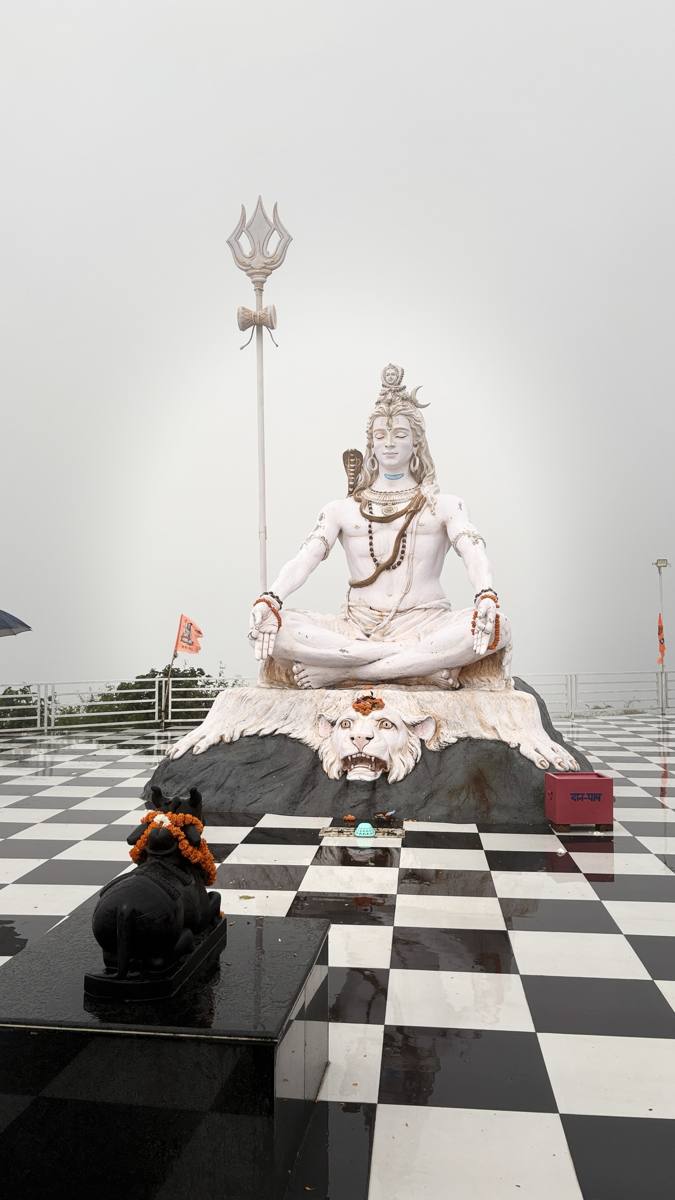
Matogi Shiva Temple statue of Lord Shiva in meditation with Nandi

Matogi Shiv Temple, Vikasnagar: Location, Route from Dehradun & 9 Shiva Lingas

The Matogi Shiva Temple is one of the most striking new spots on the Vikasnagar side of Dehradun. A tall statue of Lord Shiva in deep meditation sits on a hilltop at 1,578 m (5,177 ft), looking out over the lower hills and the snow peaks of the Himalayas. Here is everything you need to plan a visit: the route, parking, the best time to go, and where to grab a hot plate of Maggi after your darshan.

Matogi Shiv Temple: Quick Answers

  • Location: Matogi village, on the Vikasnagar side of Dehradun district, Uttarakhand
  • Distance from Dehradun: about 2 hours by road via Selaqui and Langha; the temple is about 20 km beyond Langha
  • Height: 1,578 m (5,177 ft) above sea level
  • Walk: park at the paid parking area, then a 600 m footpath to the statue
  • Time needed: half a day from Dehradun
  • Directions from where you are: open Matogi Shiv Temple in Google Maps
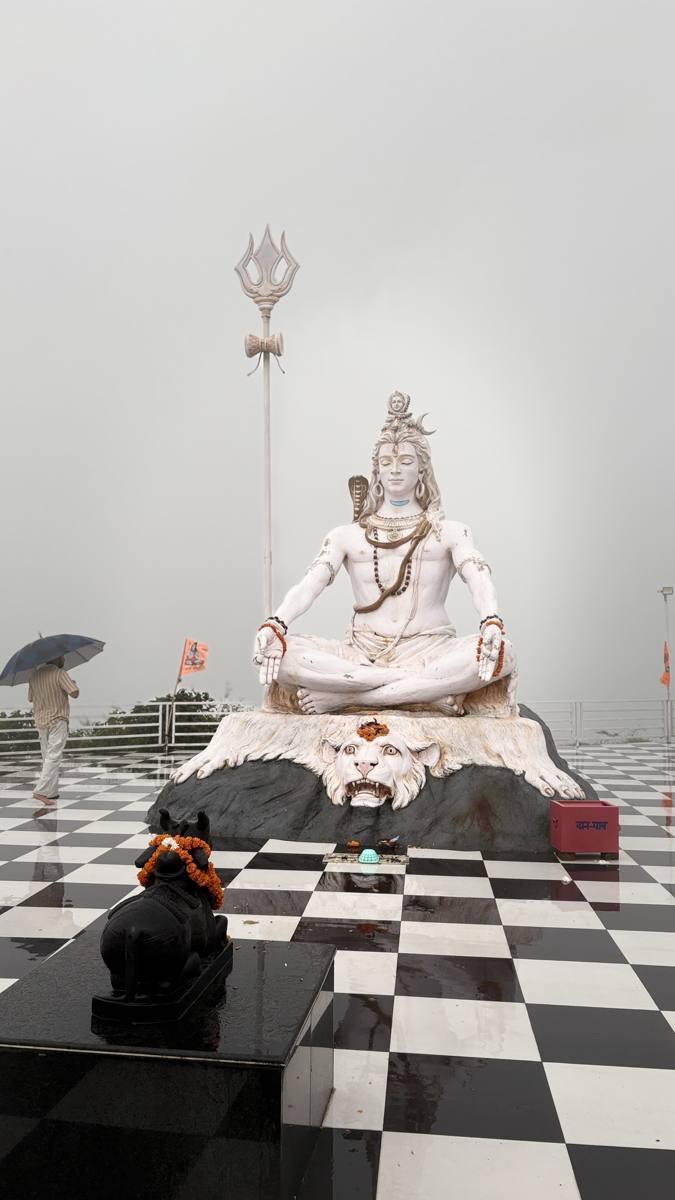
Matogi Shiva Temple Lord Shiva statue in monsoon mist near Dehradun
The Lord Shiva statue at Matogi Shiva Temple on a misty monsoon morning

Where Is the Matogi Shiva Temple?

The Matogi Shiva Temple is at Matogi, a small hill village about 20 km from Langha village and around 35 km from the main Chakrata road, the national highway that also links Dehradun with Chandigarh and Shimla. It is one of the few places worth a dedicated trip on the Vikasnagar side of Dehradun, and makes an easy day outing from the city.

What Makes This Shiva Temple Unique

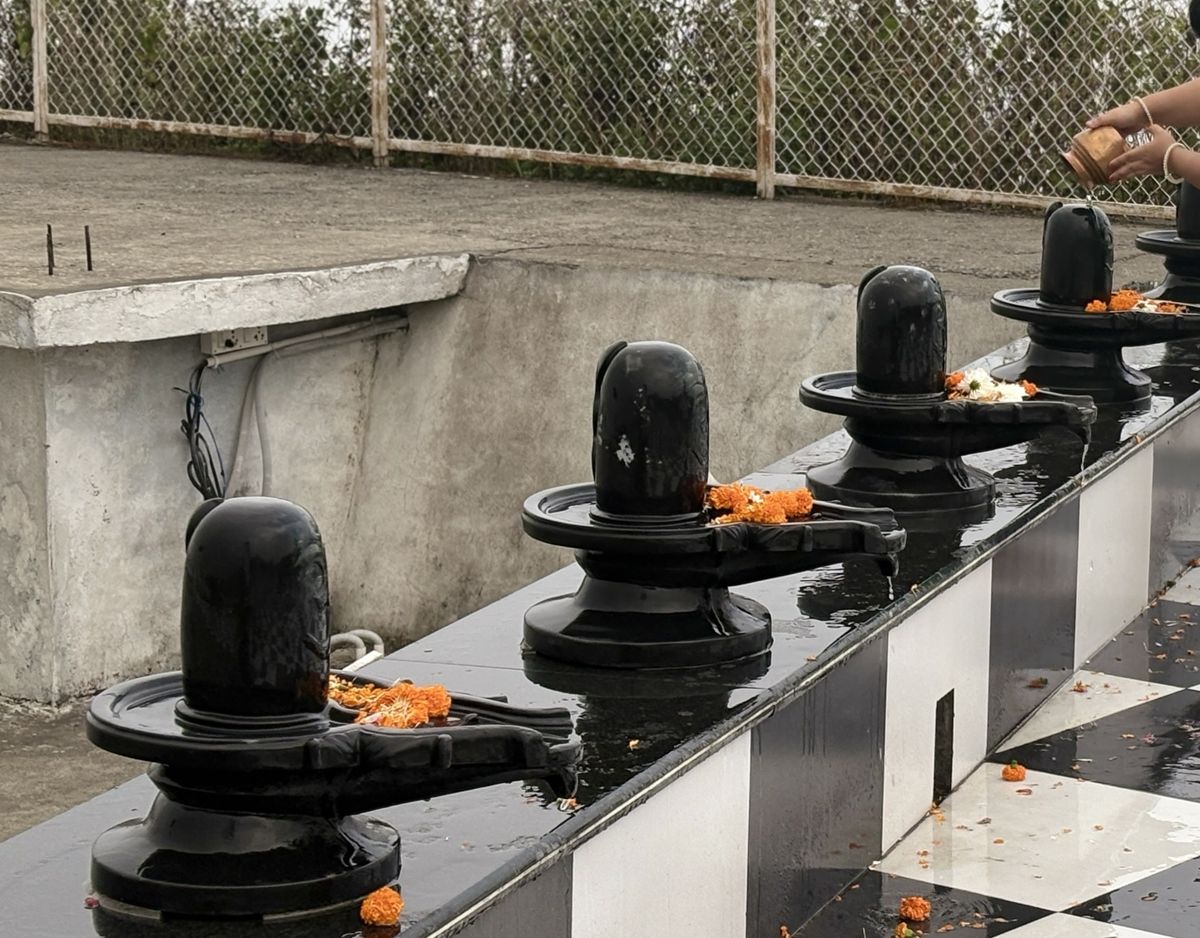
Most temples are built around a main shrine. At Matogi there is no main temple building at all. Instead, a large statue of Lord Shiva doing penance sits in the open, surrounded by 9 small Shiva Lingas. This simple, open-air setting is what makes the place feel special: the sky, the hills and the idol together create a calm, spiritual mood.

Water being offered to the Shiva Lingas at Matogi Shiva Temple
Jal abhishek at the row of Shiva Lingas, Matogi Shiva Temple

The Matogi Shiva Temple is only a few years old. It was developed close to the Anandam Heights resort, and the striking idol has drawn far more visitors to the hill than a resort alone ever could. Today it is popular with young people for photoshoots, while worshippers come for quiet prayer and the view.

How to Reach Matogi Shiva Temple from Dehradun

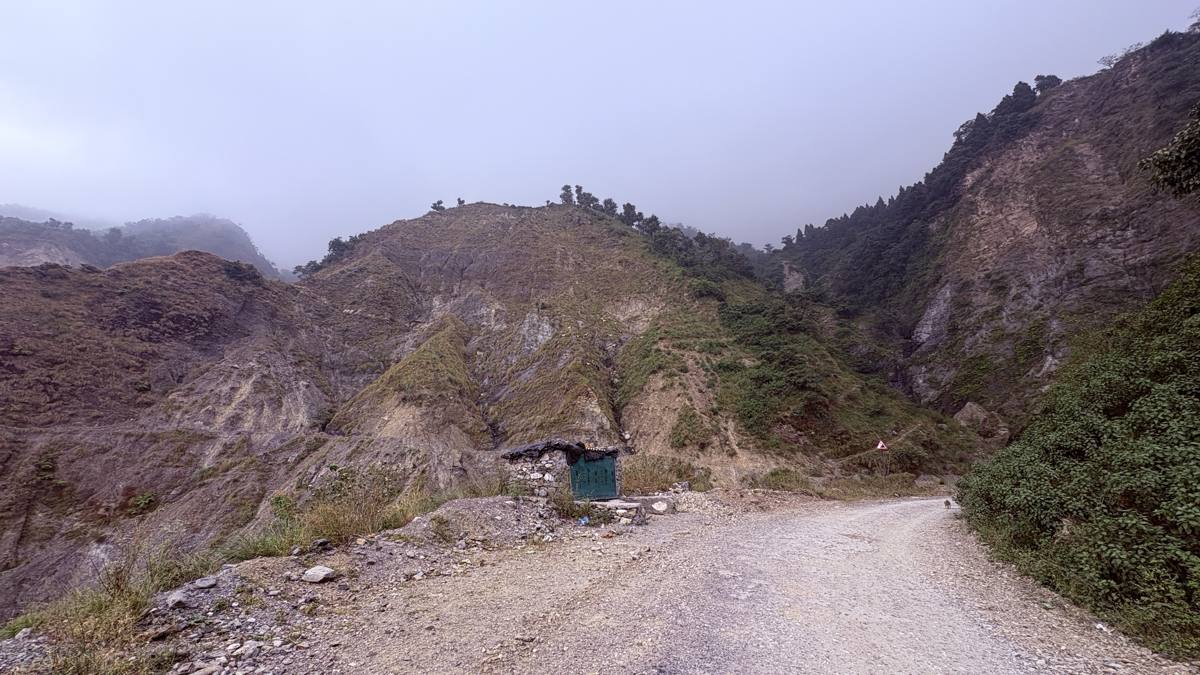
The drive is half the fun. From Langha, the road climbs through the green Binhar forests and passes small hamlets such as Jakhan (Binhar). Expect winding hill roads, fresh air and plenty of spots to stop for photos.

Hill road through the Binhar hills on the way to Matogi Shiva Temple
The road climbs through the Binhar hills towards Matogi
  • Route: Dehradun – Chakrata road – Langha – Binhar forest road – Matogi.
  • Distance: about 20 km from Langha and about 35 km from the main Chakrata highway.
  • Parking: vehicles can go only up to the paid parking area, about 300 m before the Anandam Heights resort. Car parking costs ₹50.
  • Final walk: the last 600 m is a narrow, dusty footpath up to the statue. Wear good shoes and carry water.

Weather and Best Time to Visit

Because the Matogi Shiva Temple sits on top of a hill, it is usually much cooler than Dehradun city, and the summer heat rarely reaches here. That is why crowds are biggest in summer, when families escape the plains for a cool day out. Clear days after the monsoon, from October to December, give the sharpest Himalayan views. Early morning and the hour before sunset are the best times for photos.

Devotee with folded hands before the Lord Shiva statue at Matogi Shiva Temple
Prayers before Lord Shiva, with Nandi facing the idol

Maggi Point Outside the Temple: Tasty and 100% Veg

Just outside the temple is a popular Maggi point, a favourite stop for devotees and photographers alike. After the walk up and back, nothing beats a steaming bowl of Maggi in the cool hill breeze. The Maggi here is genuinely tasty, and the stall is 100% vegetarian, so pilgrims can eat without any worry. Pair it with a cup of hot chai and enjoy the view before you head back down.

Binhar Forests, Local People and Jaunsari Culture

The forests around Matogi are generally safe, even for trekkers, and the villagers are warm and hospitable. The Binhar area lies close to the Jaunsar-Bawar region of Uttarakhand, so you will notice similar features and traditions, and many locals speak Jaunsari. According to local lore, Jaunsar is the land of the Pandavas and Bawar the land of the Kauravas, which adds a touch of Mahabharata history to the trip.

Where to Stay Near Matogi

Anandam Heights is the closest resort to the Matogi Shiva Temple, but its cottage rents are on the higher side. For a better-value stay with even more picturesque surroundings, consider Naro Eco Resort, set beside the Yamunotri Highway with open lawns and mountain views. It is also a good base if you plan to continue towards the Chardham Yatra.

Travel Tips for Your Visit

  1. Start early to avoid crowds and enjoy the clearest views.
  2. Carry a light jacket: it can be windy and cool on the hilltop even in summer.
  3. Keep cash for parking and the Maggi point; mobile signal can be patchy.
  4. Respect the shrine: remove footwear near the Shiva Lingas and keep the hill clean.
  5. Check road and weather updates on Uttarakhand Tourism during the monsoon.

Love quiet places like this? Read our story on the wonders of nature around Dehradun.

What to Carry for Matogi Shiva Temple

As an Amazon Associate I earn from qualifying purchases.

Driving on to Chakrata? Matogi is on the same road. Read our Dehradun to Chakrata road trip guide for the route, the green pastures on the way and the best stops.

Another hilltop shrine on this side of Dehradun: Bhadraj Temple, the temple of Lord Balram on a 2,230 m ridge above Mussoorie, reached via Vikasnagar and Kalsi. Read our Bhadraj Temple guide.

Planning a temple trip on the Rishikesh side instead? Kunjapuri Temple is a Shakti Peeth above Narendra Nagar, about 25 km from Rishikesh and famous for its sunrise. Read our Kunjapuri Temple guide.

Matogi Shiva Temple: Frequently Asked Questions

How high is the Matogi Shiva Temple?

The Shiva idol stands at about 1,578 m (5,177 ft) above sea level.
Can cars reach the Matogi Shiva Temple?

Cars can go up to a paid parking area (₹50) about 300 m before Anandam Heights. From there it is a walk of about 600 m to the statue.

Is there food near the temple?

Yes. A Maggi point just outside the temple serves tasty, 100% vegetarian Maggi and tea.

Is the Matogi Shiva Temple worth visiting?

Absolutely. With its open-air Shiva statue, 9 Shiva Lingas and wide Himalayan views, it is a top spot for both bhakti and photography, and one of the must-visit places on the Vikasnagar side of Dehradun.

Indra Dev Basmati

Dehraduni Basmati Rice: Why Dehradun Rice Is Famous (Indra Dev Basmati)

Indra Dev Basmati

Indra Dev Basmati is a premium, organically grown Himalayan basmati from the Dehradun valley. Here is why rice lovers call it the finest basmati, and what you can cook with it.

World No.1 Basmati is Indra Dev Basmati Rice

Discover the Exquisite Taste of Indra Dev Basmati: The Finest Organic Himalayan Rice

Indra Dev Basmati is renowned for its long grains, exceptional aroma, texture, taste, culinary versatility, cultural significance, and the Double Good brand reputation likely contribute to its widespread acclaim among aficionados of basmati rice. this basmati is a premium version of Dehradun Basmati rice. As for why it’s considered the best basmati ever, there could be several reasons:

  • Aroma:Basmati rice is known for its distinctive aroma, often described as nutty or floral. Indra Dev Basmati is reputed for having an exceptionally fragrant aroma, which is one of the defining characteristics of high-quality basmati rice.
  • Texture:Basmati rice is prized for its delicate, fluffy texture when cooked properly. The grains remain separate and don’t clump together. Basmati is said to have a superior texture, providing a delightful mouthfeel that enhances the overall dining experience.
  • Taste:Basmati rice is prized for its subtle, slightly sweet flavor. I D Basmati is reputed to have a rich and distinct taste that sets it apart from other varieties of basmati.
  • Culinary Versatility:Basmati rice, including this basmati, is incredibly versatile and pairs well with a wide variety of dishes, from Indian Pulaos to Middle Eastern pilafs, Biryanis to Western stir-fries. Its ability to complement different cuisines and dishes adds to its appeal.
  • Cultural Significance:Basmati rice holds cultural significance in many regions where it is grown, particularly in South Asia. I D Basmati, with its reputation for quality, may hold a special place in the culinary traditions and cultural heritage of those who consume it.
  • Quality Control and Brand Reputation: The reputation of I D Basmati as the best basmati ever may also be attributed to stringent quality control measures implemented by the producers, ensuring consistency and excellence in every batch. A Double Good brand’s reputation for quality and reliability can significantly influence consumers’ perceptions of its products.

You can buy Indra Dev Basmati rice here. 

“Rice has never been as nice as this basmati.”

What all can be cooked with Indra Dev Basmati Rice? 

Here are some delicacies that you can cook with this basmati rice:

  • Vegetable Pulao: A fragrant and flavorful rice dish cooked with assorted vegetables like carrots, peas, bell peppers, and beans, seasoned with aromatic spices like cumin, cloves, and cinnamon. Indra Dev Basmati rice enhances the pulao with its delicate texture and aroma, making it a satisfying and wholesome meal on its own or as an accompaniment to curries or yogurt-based raita.
  • Vegetable Biryani: A classic Indian dish where layers of spiced vegetables and cooked this basmati rice are assembled and slow-cooked to perfection. Infused with saffron, fried onions, mint, and coriander, vegetable biryani is a feast for the senses, offering a symphony of flavors and textures that delight the palate.
  • Vegetable Fried Rice: A quick and versatile dish made by stir-frying cooked Indra Dev Basmati rice with an assortment of vegetables such as bell peppers, carrots, peas, and corn, along with soy sauce, garlic, and ginger. This Indo-Chinese favorite is a delightful way to enjoy the delicate grains of basmati rice in a flavorful and satisfying preparation.
  • Vegetable Pilaf: Similar to pulao but with a richer flavor profile, vegetable pilaf is cooked by sautéing vegetables and spices before adding soaked this basmati rice and simmering until fluffy and aromatic. Garnished with fried nuts and raisins, vegetable pilaf is a luxurious yet simple dish that pairs perfectly with creamy sauces or yogurt-based dips.
  • Stuffed Bell Peppers with Basmati Rice: Bell peppers stuffed with a mixture of cooked Indra Dev Basmati rice, vegetables, herbs, and spices, then baked until tender and flavorful. This dish offers a nutritious and visually appealing way to enjoy the unique taste and texture of basmati rice in a wholesome meal.

These are just a few examples of the many vegetarian delicacies that can be cooked with this basmati rice. Experiment with different combinations of vegetables, spices, and cooking techniques to create your own signature dishes that showcase the excellence of this premium rice variety.


How to Cook Indra Dev Basmati Perfectly

  1. Rinse the rice 3–4 times until the water runs clear.
  2. Soak for 30 minutes so the long grains cook evenly.
  3. Use about 1.5 to 1.75 cups of water for every cup of rice.
  4. Simmer covered on low heat, then rest for 5 minutes before fluffing with a fork.

Learn more about basmati quality standards from APEDA, and read our guide on how to buy the best rice.

Indra Dev Basmati: Frequently Asked Questions

What is Indra Dev Basmati?

It is a premium organic version of Dehradun basmati rice sold by Double Good Organics, known for long grains, aroma and a fluffy texture.

Is Indra Dev Basmati good for biryani?

Yes. Its long, separate grains hold their shape during slow cooking, which makes it ideal for biryani and pulao.

Where can I buy Indra Dev Basmati?

You can order it online from Double Good Organics, which ships across India.

real estate in Dehradun

Real Estate in Dehradun

real estate in Dehradun

Real estate in Dehradun keeps attracting buyers from across India thanks to clean air, good schools and Himalayan views. Here is what to check before you buy.

The real estate market in Dehradun has always been highly sought after, particularly since the city became the capital of the state. Dehradun, a remarkable Himalayan city in India, offers a unique blend of amenities and natural beauty. While it lacks a coastline, it remains a complete, vibrant, peaceful, and nature-rich city.

Situated on the upper side is Mussoorie, considered one of the finest hill stations in India. On the other side, we find the religious pilgrimage cities of Rishikesh and Haridwar. Additionally, there is Vikasnagar, an ancient town that houses the inscribed rocks of Emperor Ashoka at Kalsi. It also serves as the gateway to the Jaunsar-Bawar region, known for its association with the Kuru dynasty (the Kauravas and Pandavas of the Mahabharata).

Dehradun boasts the distinct advantage of being surrounded by the two holiest rivers in India, the Ganga and the Yamuna. These rivers flow on either side of the city, almost equidistant from its inhabitants, signifying the fortunate position of the city’s residents.

Why People Want to Buy Property in Dehradun

Dehradun has a rare mix of qualities that few Indian cities can match. Here is why demand for plots and homes in the Doon Valley keeps rising year after year:

  • Climate and clean air: Mild summers, pleasant winters and green surroundings make it one of the most liveable cities in North India.
  • Education hub: The city is home to famous boarding schools, colleges and national institutions such as the Indian Military Academy, the Forest Research Institute and the Survey of India. Families move here so their children can study in good schools.
  • Connectivity: Jolly Grant Airport, regular trains, and much-improved highways connect Dehradun with Delhi and the rest of the country.
  • Peace and safety: Retired officers, professionals and people working from home choose Dehradun for its slower, calmer pace of life.
  • Gateway to the Himalayas: Mussoorie, Rishikesh, Haridwar, Chakrata and the Char Dham Yatra routes are all within easy reach.

Best Areas to Look at Around Dehradun

The city centre is now crowded and expensive. Most buyers looking for value, open space and views are moving towards the outskirts:

  • Vikasnagar belt: Lies between the Yamuna and the Shivalik hills, has fertile land, mountain views and is still reasonably priced compared to the city. It is close to Kalsi, Dakpathar and the road towards Chakrata.
  • Sahaspur and Selaqui: Growing quickly because of the industrial area, new colleges and better roads.
  • Raipur and Sahastradhara Road: Popular for homes near the forest and the hills on the eastern side of the city.
  • Doiwala and Jolly Grant side: Convenient for people who travel often because the airport is nearby.

Plot or Flat: Which Is Better?

High-rise apartments are coming up across Dehradun, but many buyers still prefer a plot of land. A plot gives you freedom to build your own home, plant a garden and grow your own vegetables. Land in a well-chosen location also tends to hold its value over the long term. Flats are easier to maintain and offer security and shared facilities, so they suit people who want a ready-to-move home. Think about how you want to live before you decide.

Plots in and around Dehradun are usually sold in Gaj (square yards) for smaller residential plots and in Bigha for larger pieces of land. The size of a bigha differs from one area to another, so always get the exact area written in square metres or Gaj in your agreement.

Checklist Before You Buy Land in Dehradun

  1. Check the title: Ask for the khatauni (land record) and the chain of previous sale deeds, and confirm the seller is the actual owner.
  2. Confirm mutation (dakhil-kharij): Make sure the land is mutated in the seller’s name in the revenue records.
  3. Know the land use: Agricultural land and residential land are treated differently. Uttarakhand has tightened its land laws in recent years, especially for buyers from outside the state, so check the current rules with the sub-registrar office or a local lawyer before paying any money.
  4. Check road access and boundaries: Visit the site, walk the boundaries and confirm the approach road width in the documents.
  5. Look for RERA registration: If you are buying in a plotted colony or project, check that it is registered with Uttarakhand RERA.
  6. Water, power and drainage: Ask about the water source, the electricity connection and how rainwater drains in the monsoon.
  7. Use a written agreement: Never pay a large token amount without a proper written agreement.

Is Dehradun a Good Investment?

The city attracts intellectuals and like-minded people from all over the world. As the city centre fills up with apartments and new infrastructure, the outskirts are where the open land and peaceful living remain. Areas that have new roads, colleges and industry coming up nearby generally see steady demand. Like any investment, buy with a long-term view, deal only with trusted people and complete all the legal checks.

Buying Agricultural Land Near Dehradun with Hill Plots

Hill Plots helps buyers find budget and ideal agricultural land plots in the growing area of Bhauwala, in the Vikasnagar region of Dehradun. These plots suit many uses: a farmhouse, an orchard, organic farming, a weekend retreat, or simply a long-term investment with strong growth potential.

  • No brokerage, no commission: Deals are directly between the buyer and the owner.
  • Transparent papers: Ownership documents are shared with you so your own lawyer can verify them before you decide.
  • Registry at Vikasnagar Tehsil: Registration is done at the local tehsil office.
  • Registry cost calculator: The website has a calculator that works out plot area and estimated registry cost using official circle rates.
  • Site visits on WhatsApp: Book a visit to see the land, the views and the approach road for yourself.

If you are looking for land with long-term value in a growing area near Dehradun, visit hillplots.com.

Planning to settle in the Doon Valley? Read more about life and trusted local businesses in Dehradun and discover the nature around our farmhouse in Dehradun.

Real Estate in Dehradun: 6 Smart Checks

  1. Verify the title and mutation records at the tehsil.
  2. Check land use: residential, agricultural or forest.
  3. Confirm approvals from MDDA for urban plots.
  4. Inspect road access, water and electricity.
  5. Compare circle rates with the asking price.
  6. Use a registered sale deed and pay stamp duty correctly.

Check stamp duty and property records on the Uttarakhand registration portal. Also see our Dehradun local links.

Real Estate in Dehradun: FAQs

Is real estate in Dehradun a good investment?

Demand has stayed strong as more families relocate for quality of life, but returns depend on location and legal clarity.

Can outsiders buy land in Uttarakhand?

Rules for agricultural land have tightened for buyers from outside the state; check the latest law before you buy.

best online grocery store

Best Online Grocery Store in Dehradun for Organic Food (Home Delivery)

best online grocery store

Looking for the best online grocery store for organic food in Dehradun? Double Good Organics delivers Himalayan basmati, millets and farm produce to your door.

Double Good Organics: Dehradun’s Premier Online Grocery Store

Double Good Organics stands out as Dehradun’s leading online grocery store, specialising in a wide range of organic and natural products sourced from the Himalayas. While Double Good Organics operates exclusively as an online store, its virtual presence has garnered immense popularity among shoppers in Dehradun, across India, and abroad.

As an online platform, Double Good Organics offers a convenient and hassle-free shopping experience. Customers can browse an extensive collection of organic and natural products, carefully curated to meet high standards of quality. From staples to spices, every item is sourced from trusted Himalayan suppliers.

What You Can Buy at Double Good Organics

  • Rice: Dehradun Basmati, Indra Dev Basmati, biryani basmati, red rice and black rice.
  • Millets: Browntop, barnyard and other Shree Anna millets, plus value millet packs.
  • Pulses and legumes: Several varieties of Himalayan rajma (kidney beans) and soybean.
  • Spices and masala: Natural spices from the hills.
  • Vegetables: Seasonal produce such as Himalayan potatoes.
  • Bulk orders: Larger quantities for shops, restaurants and resellers.

Products are clearly grouped as organic, certified organic and natural, so you always know what you are buying.

Meet Surya: Full Help Chat at Double Good Organics

Shopping is easier when you can ask questions. The Double Good Organics website has Surya, a full AI help chat that answers almost anything about the store, instantly and at any time of day:

  • Which rice or millet suits your needs, and how to cook it
  • Product prices, pack sizes and what is in stock
  • Shipping charges worked out for your pincode and order weight
  • Bulk order quotes and payment terms for larger quantities
  • Healthy, plant-based recipe and serving ideas

Surya speaks English, Hindi and Hinglish, so you can ask in whichever language you are comfortable with. If Surya cannot answer something, it connects you to the Double Good team on live chat. Visit doublegood.in and chat with Surya.

Why Buy Organic Groceries Online?

Shopping for groceries has changed a lot in the last few years. More families now prefer to buy their staples online, and for good reason:

  • Better quality: Specialist stores focus on a smaller range of products and know where each item comes from.
  • Healthier food: Organic food is grown without synthetic pesticides and chemical fertilisers, which many people want to avoid in their daily diet.
  • Convenience: No traffic, no queues and no carrying heavy bags. Orders arrive at your door.
  • Access to regional produce: Himalayan millets, aromatic Dehradun basmati and hill pulses are not easy to find in ordinary city shops.
  • Supporting farmers: Buying directly from organic sources helps small hill farmers earn a fair price for their crops.

Popular Himalayan Products to Try

Millets

Millets such as foxtail, kodo, barnyard, browntop and little millet were the traditional staple food of the hills before rice and wheat took over. They are rich in fibre and minerals and are gentle on blood sugar. Read our guide on why you should eat millets instead of rice, and browse the millet range at Double Good Organics.

Dehradun Basmati and Indra Dev Basmati

Dehradun basmati is famous across the world for its long grains and natural fragrance. Double Good offers both the traditional aromatic Dehradun Basmati and the premium unpolished Indra Dev Basmati. Before you buy any rice, read our simple guide on how to buy the best rice.

Amaranth (Ramdana) and Other Hill Grains

Amaranth, known locally as ramdana or chaulai, is a gluten-free grain packed with protein, iron and calcium. It is widely eaten during fasts and is easy to add to porridge, laddoos and rotis. Learn more about the benefits of organic amaranth.

How to Choose a Good Online Grocery Store

Not every website that says “organic” is genuine. Use this simple checklist before you order:

  1. Know the source: A good store tells you where its products are grown and who supplies them.
  2. Look at the packing: Food should be sealed properly, with a clear packing date and best-before date.
  3. Read honest reviews: Check what regular buyers say about taste, freshness and delivery.
  4. Check delivery and returns: Make sure the store delivers to your area and explains what happens if something arrives damaged.
  5. Use secure payment: Pay only on websites that use secure checkout.

Tips for Storing Organic Grains and Pulses

Organic food does not contain chemical preservatives, so storing it properly keeps it fresh for longer:

  • Keep grains, millets and pulses in airtight glass or steel containers.
  • Store them in a cool, dry place away from direct sunlight and kitchen steam.
  • Add a few dried neem leaves or bay leaves to grain containers to keep insects away naturally.
  • Buy in quantities you can finish within a few months, especially during the humid monsoon.
  • Lightly dry-roast millets before storing if you live in a damp area.

Simple Ways to Add Organic Food to Your Daily Meals

  • Breakfast: Replace your usual poha or upma base with foxtail or little millet. It cooks in about 15 minutes.
  • Lunch: Use barnyard or kodo millet in place of rice two or three days a week, served with dal and sabzi.
  • Dinner: Save aromatic basmati for special meals like pulao and khichdi, where its fragrance really stands out.
  • Snacks: Roasted amaranth with jaggery makes a healthy laddoo that children enjoy.
  • Start small: Mix millets with rice at first, then slowly increase the share as your family gets used to the taste.

Frequently Asked Questions

Is organic food really worth the higher price?
Organic staples cost a little more because they are grown without chemical inputs and in smaller quantities. Many families feel the better taste and peace of mind are worth it, especially for food eaten every day like rice, pulses and grains.

Do I need to soak millets before cooking?
Soaking millets for a few hours makes them softer and easier to digest. It is helpful but not compulsory for small millets such as little millet and foxtail millet.

Can I order from outside India?
Yes. Double Good Organics ships internationally, so you can order from anywhere in the world.

Healthy Eating, the Himalayan Way

By prioritising organic and natural products, Double Good Organics caters to the growing demand for healthier and sustainable food options. Their commitment to providing premium organic goods has established them as a reliable and reputable online grocery store in India.

Customers can enjoy the convenience of shopping from the comfort of their homes in any country while supporting sustainable and ethical farming practices. Double Good Organics ships all over the world, so families living abroad can enjoy the taste of Dehradun basmati and Himalayan millets wherever they are.

Looking for more from Dehradun? Explore our list of trusted local businesses in Dehradun.

Why It’s the Best Online Grocery Store for Organic Food

  • Organic Dehradun basmati including Indra Dev Basmati.
  • Five types of millets for healthy staples.
  • Fresh Himalayan produce and pulses.
  • Easy ordering with help from Surya on chat.

Shop at Double Good Organics, and read how to buy the best rice.

Best Online Grocery Store: FAQs

Does Double Good Organics deliver outside Dehradun?

Yes, it ships across India; ask Surya on chat for delivery times to your pin code.

Are the products certified organic?

Ask Surya on chat for certification details of each product.

Powered by WordPress & Theme by Anders Norén