
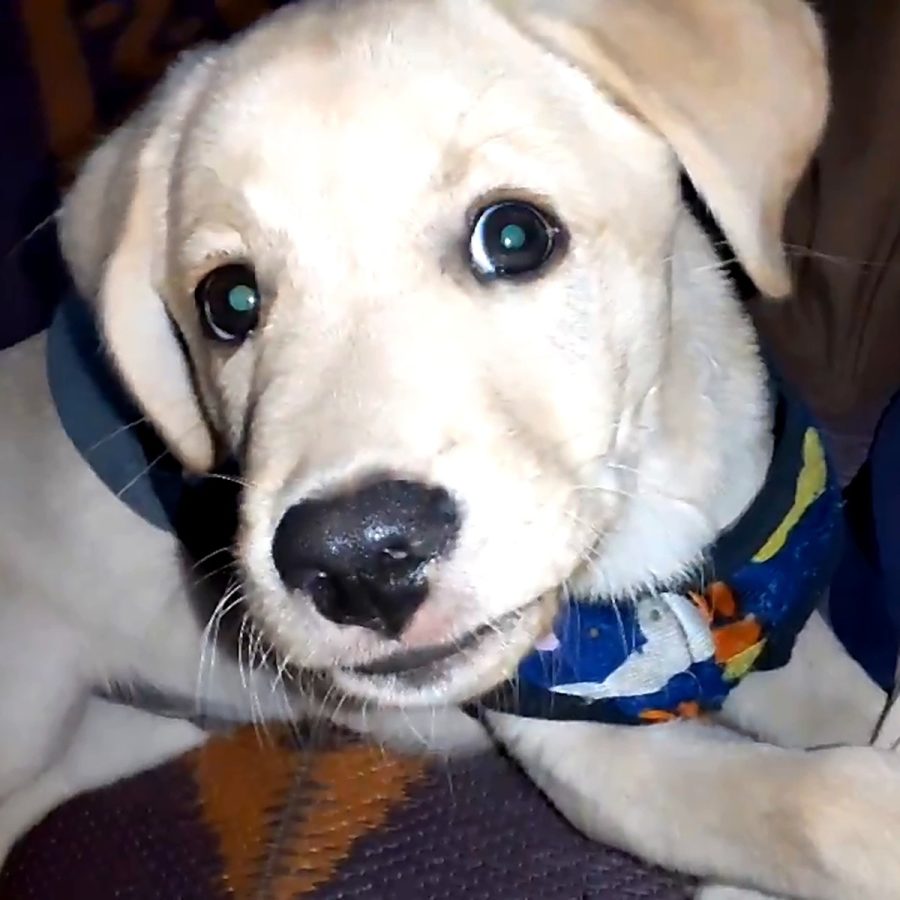
Parvo in puppies is the diagnosis every dog parent dreads. When our six-month-old Labrador, Holu, was diagnosed with parvovirus in 2020, and then canine distemper on top of it, the vet gave him barely a twenty per cent chance. This is the short version of how my elderly parents and I fought for him day and night, and how a change to homeopathy turned his story around.
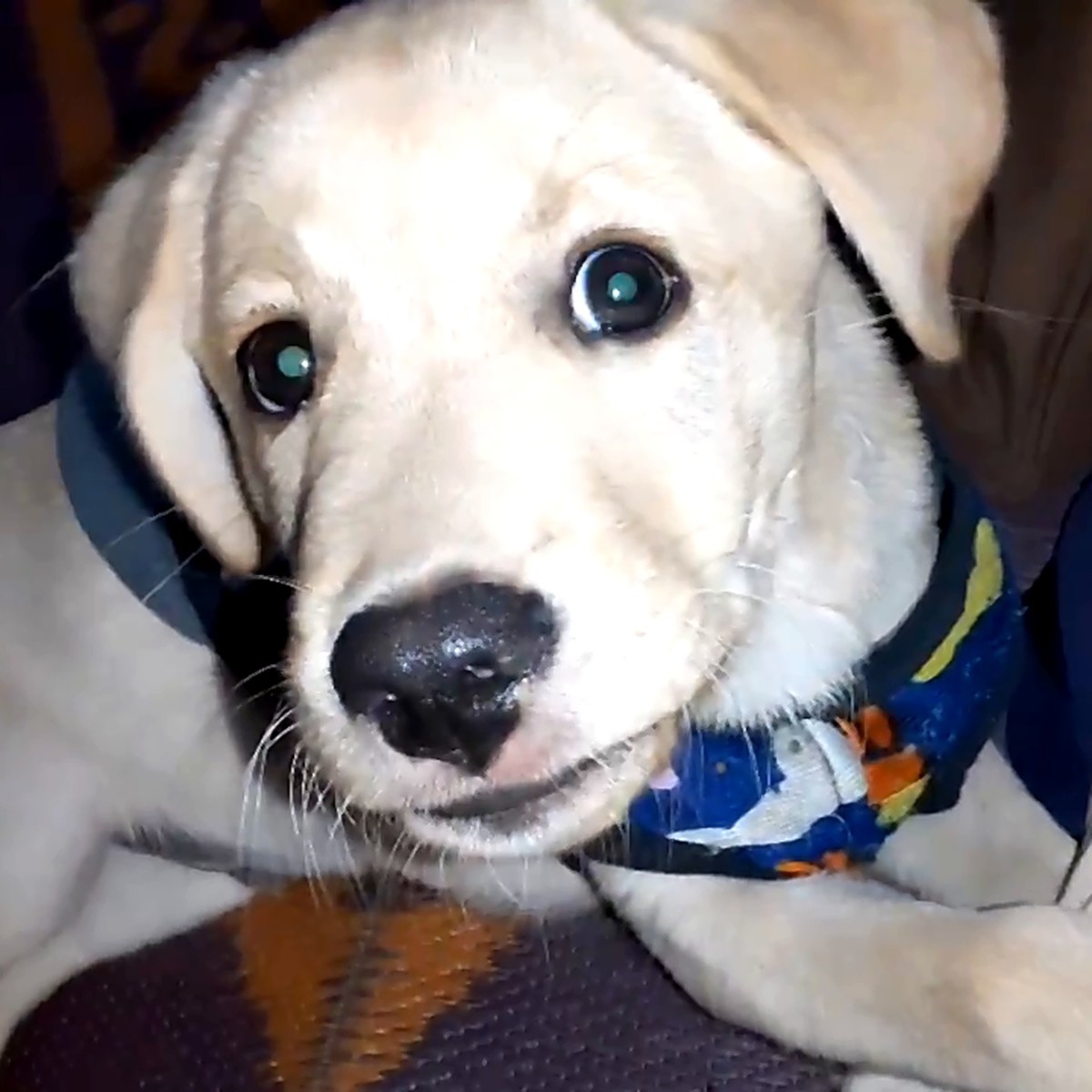
Parvo in Puppies: How Holu’s Fight Began
Holu was a gentle cream Labrador, the son of a champion show dog. Just after he turned six months old, he developed a fever and stopped eating. We called the vet straight away, but he asked us to bring Holu the next morning. By then the test confirmed it: parvovirus. Within hours, Holu was vomiting blood and passing bloody stool.
Before Holu, our family had already lost three beloved Labradors, Tuffy, Tuffy 2 and Buzo, to illness. We were not ready to lose another.
Nine Days of Drips and Sleepless Nights
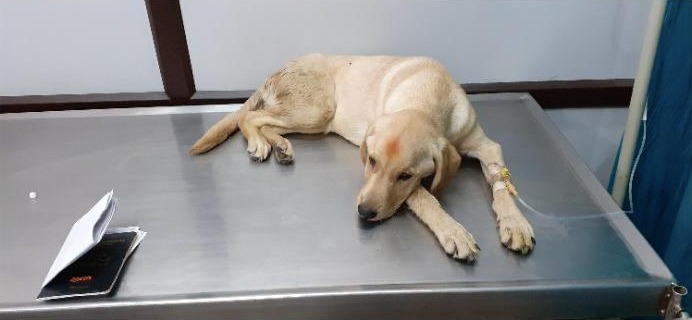
For more than nine days, Holu lived on a drip with not a drop of water by mouth. We made 18 trips to the clinic, driving at less than 20 km per hour so he would not vomit. On a holiday his fever touched 107°F, and I held ice packs on his chest while he breathed from an oxygen cylinder. Then the vet told us distemper had set in too. A few days later, he even offered to put Holu to sleep. We refused.
The Day Homeopathy Changed Everything
With nothing left to lose, we turned to our family homeopathic doctor. He looked at Holu lying lifeless in the back seat of my car and gave us two small bottles of remedies. Within days, Holu began to eat and drink again, the bloody vomiting stopped, and he was soon running around our farmhouse as if he had been given a new life. When the vet later saw him in our car, healthy and happy, he could hardly believe his eyes.
Our experience with parvo in puppies taught us never to give up. The homeopathic treatment cost us about seven per cent of what we had spent at the clinic. Holu has since left us, but the years he gave us after that fight were a gift we will always treasure.
Signs of Parvo in Puppies and Distemper Every Parent Should Know
- Parvo: sudden tiredness, refusal to eat, vomiting, bloody and foul-smelling diarrhoea, and dehydration.
- Distemper: eye and nose discharge, cough, fever, hardened paw pads, and twitching muscles or fits in later stages.
- Prevention: vaccinate on time. Puppies usually get their first combined shot at 6 to 8 weeks, with boosters every 3 to 4 weeks until about 16 weeks.
- Act fast: every hour matters. Get your puppy tested quickly and consult an experienced homeopathic doctor early, as we did.
For general information on the disease, see the American Veterinary Medical Association’s guide to canine parvovirus. You may also like our article on a humane solution for community dogs.
Read the Full Story: Saving Holu
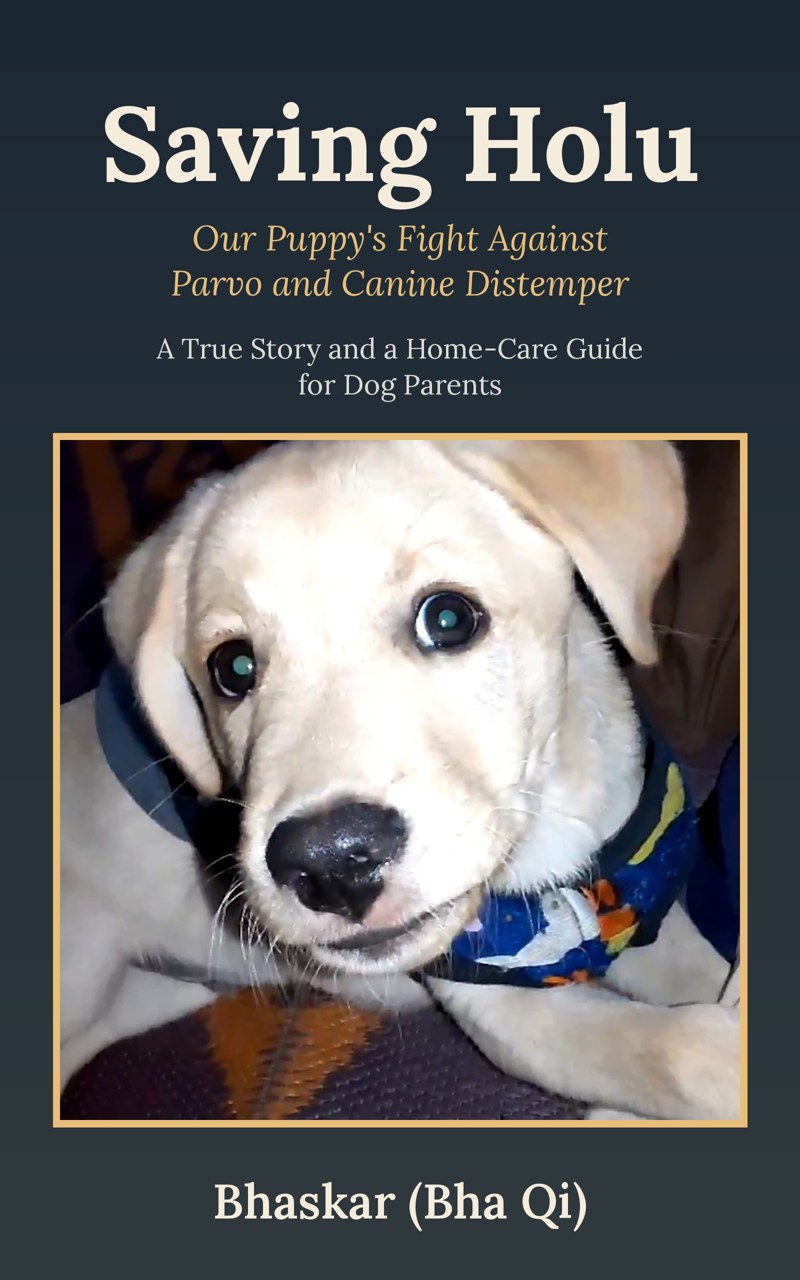
I have told Holu’s complete story, along with the stories of Tuffy, Tuffy 2 and Buzo, in my Kindle book Saving Holu: Our Puppy’s Fight Against Parvo and Canine Distemper. It includes a practical guide to parvo in puppies: vaccination timings, early warning signs, home care, cleaning your home after parvo and the questions to ask anyone treating your dog.
Get Saving Holu on Amazon India | Amazon.com (worldwide)
It is free to read for Kindle Unlimited members. As an Amazon Associate I earn from qualifying purchases.
Parvo in Puppies: Frequently Asked Questions
Can a puppy survive parvo and distemper together?
It is rare, but it does happen. Our Labrador Holu survived both in 2020 after a long fight, as told in the book Saving Holu.
How quickly does parvo in puppies become dangerous?
Very quickly. A puppy can become severely dehydrated within a day or two, so get help the same day you notice symptoms.
Can parvo be prevented?
Yes, timely vaccination is the best protection. Keep unvaccinated puppies away from unknown dogs and places where stray dogs gather.
This article shares one family’s true experience and personal views. It is not medical advice.