

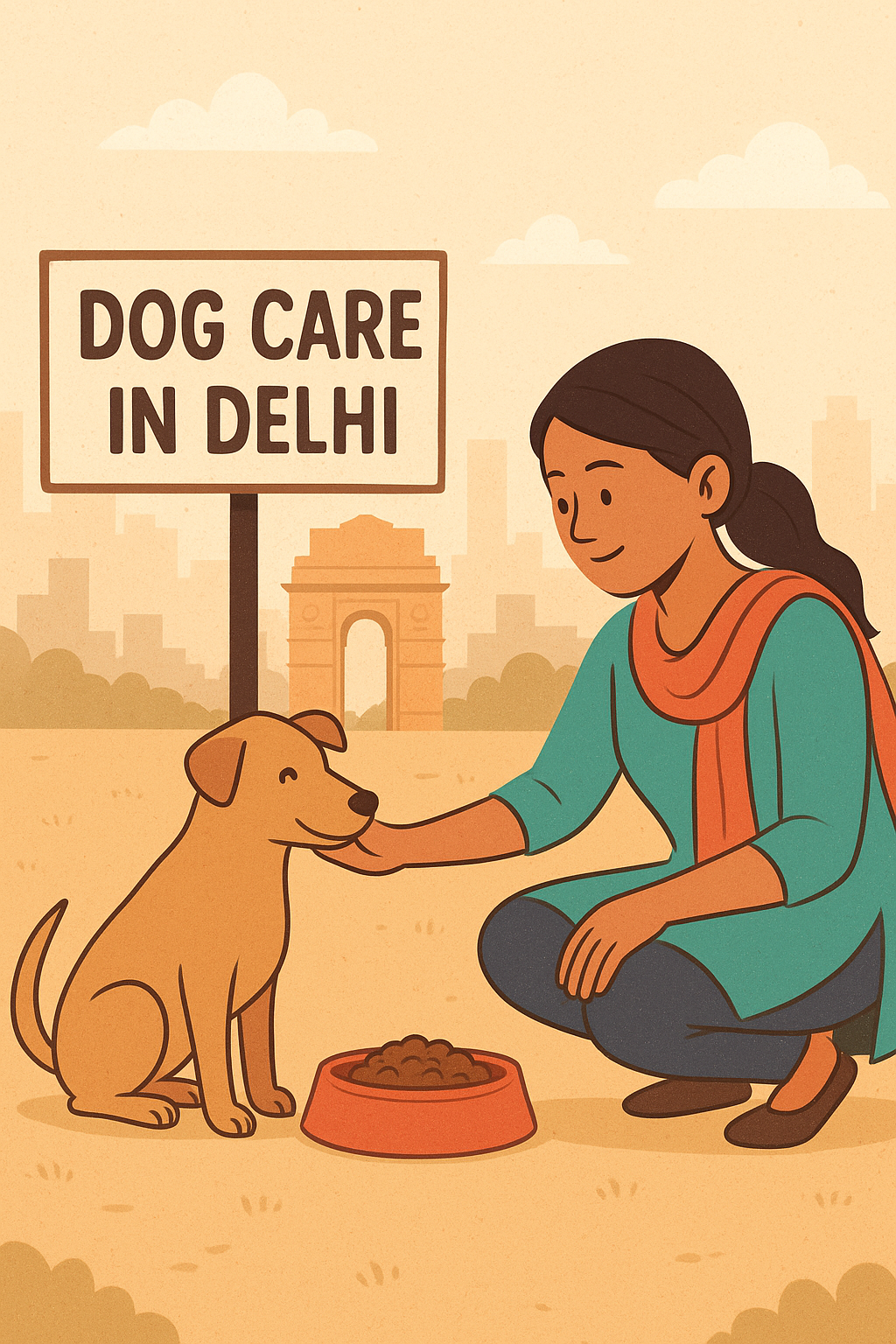
The Delhi Dog Solution proposed here is simple and humane: adopt first, vaccinate and sterilise every dog, and relocate the rest in small, well-matched groups to villages where they can live freely. It protects residents of Delhi NCR and gives the dogs a better life.
Delhi Dog Solution
Relocating Stray* Dogs from Delhi NCR: A Humane and Practical Approach
Stray* dogs have long been a part of Delhi NCR’s urban landscape. They live in colonies, near marketplaces, residential lanes, and public parks. While many residents coexist peacefully with these animals, a large number of heartless people are apprehensive due to concerns about dog bites, rabies, and noise. This fear often leads to resentment and sometimes even cruel treatment of these animals. If a significant section of society remains unwilling to accommodate them, keeping stray* dogs confined to this already overcrowded and tense region serves neither the animals nor the public, this is Delhi dog solution.
Delhi, with its turbulent history and present-day challenges, is already burdened with overpopulation, pollution, and infrastructure stress. The addition of large, unmanaged stray* populations often leads to public safety complaints, civic disputes, and avoidable human–animal conflicts. A rigid “fixation” of dogs to the Delhi NCR region makes little sense if their welfare and public safety are both at stake, they should be migrated to villages for better life quality than confine them in cages, which are akin to jails. They need not pay a cruel price for being faithful to humans.
Adoption as the First Step
The most humane and effective first step should be a well-coordinated adoption drive. Animal welfare NGOs, independent rescuers, and government departments can work together to promote adoption within Delhi NCR and in other cities across India. Social media campaigns, adoption fairs, and partnerships with pet care companies can help connect potential pet owners with suitable dogs. Delhi dog solution, Healthy, vaccinated, and sterilized dogs have a far greater chance of being accepted into families.
Relocation in Structured Groups
For dogs that are not adopted, relocation should be considered. Instead of randomly moving animals, a systematic grouping approach can be taken. The remaining dogs can be divided into thousands of small groups, each comprising 3–5 animals, depending on their temperament and adaptability. These groups can then be relocated to various villages across mainland India.
Villages often have more open space, lower traffic hazards, and a lifestyle that naturally accommodates working and community dogs. In rural environments, dogs can help in guarding homes, fields, and cattle. With proper veterinary care, vaccination, these dogs can integrate into village life without creating health risks.
Benefits for Dogs and People
Such a relocation strategy can transform the lives of these animals. Instead of being confined to hostile urban corners, chased away, or living in constant hunger and fear, they could enjoy open spaces, community feeding, and a calmer environment. Villagers, in turn, benefit from having healthy, vaccinated dogs that can provide security and companionship.
Implementing the Plan
This process requires careful planning. Before relocation, every dog must be vaccinated, and health-checked. Veterinary teams can coordinate with local authorities in recipient villages to ensure the community is ready to welcome the dogs. Transport must be humane and stress-minimized, using well-ventilated vehicles and trained handlers.
A Balanced Resolution
Ultimately, the aim is to balance public safety in Delhi NCR with the humane treatment of stray* dogs. Delhi dog solution is by combining adoption, vaccination, and structured relocation, we can address public concerns while giving these animals a chance at a healthier, freer life.
Delhi’s streets would be calmer, villages would benefit from loyal companions, and the dogs themselves would finally have a place to belong. The Delhi Dog solution addresses to solve Dogs problem with human menace of creating disturbing noise, night attacks, and bad behaviour with animals in Delhi NCR, they are better off in villages.
- = Dogs and animals should not be called stray if they do not have human masters, every sentient being is free to lead his/her life the way mother nature ordained. We humans need not validate labelling their status in society.
Delhi Dog Solution: 5 Humane Steps at a Glance
- Adoption drives first – NGOs, rescuers and civic bodies run adoption fairs and online campaigns across Delhi NCR and other cities.
- Vaccinate and sterilise – every dog receives anti-rabies vaccination and sterilisation under the Animal Birth Control (ABC) Rules before any move.
- Group by temperament – dogs that are not adopted are grouped in packs of 3–5 that already get along.
- Match with willing villages – veterinary teams coordinate with panchayats so the receiving community is ready to feed and care for the dogs.
- Humane transport and follow-up – ventilated vehicles, trained handlers and health checks after relocation.
Why the Delhi Dog Solution Works for People and Dogs
Crowded colonies, heavy traffic and hostile neighbours make city life stressful for community dogs. Villages offer open space, quieter roads and real work for dogs as guardians of homes, fields and cattle. Delhi gets calmer streets and fewer conflicts, while the dogs get food, space and a community that values them. That balance is the heart of the Delhi Dog Solution.
For the official framework on dog population management, see the Animal Welfare Board of India. You may also like our article on cattle welfare in India.
Delhi Dog Solution: Frequently Asked Questions
What is the Delhi Dog Solution?
It is a humane plan for the community dogs of Delhi NCR built on three pillars: adoption, vaccination with sterilisation, and structured relocation of small dog groups to villages that welcome them.
Is relocation better than keeping dogs in shelters?
Shelters quickly become overcrowded and cage-like. Healthy, vaccinated dogs relocated in small groups to open village surroundings get freedom of movement and a natural role as guardians.
How can I support the Delhi Dog Solution?
Adopt a dog, sponsor vaccination drives, volunteer with a registered animal welfare NGO and treat the community dogs in your area with kindness.
Will relocated dogs be safe in villages?
Only if the move is planned well: every dog must be vaccinated and health-checked, villages must agree to care for them, and local vets should monitor the dogs after relocation.